Quick Take
- Flipkart plans a Bengaluru food delivery pilot around August 15, 2026, at roughly 10% commission.
- Rapido’s Ownly has hit about 40,000 daily orders and 7 to 10% Bengaluru share.
- Bengaluru restaurants threaten a Swiggy and Zomato boycott from August 15 over high fees.
In This Article
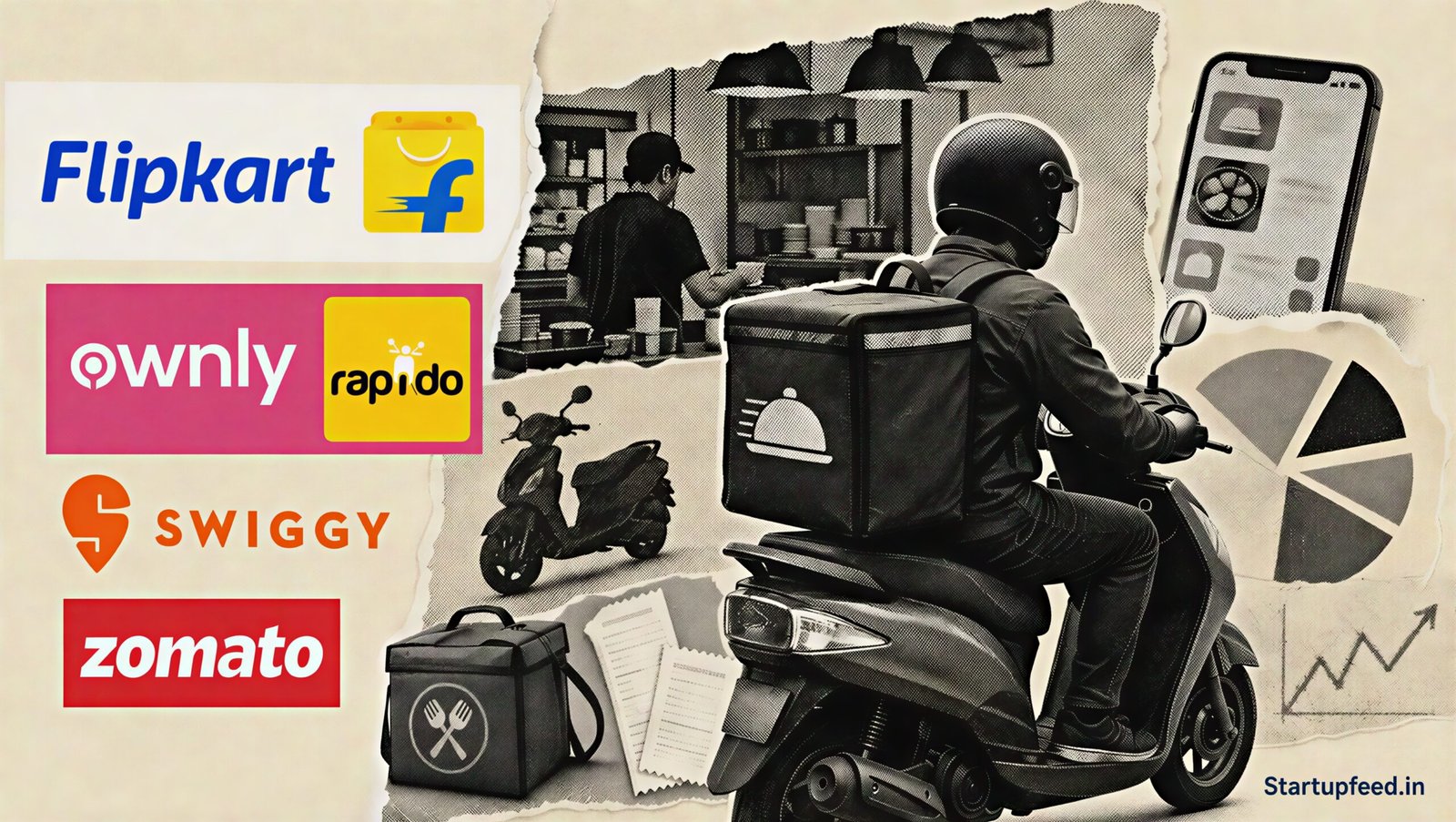
India’s food delivery price war has entered a sharper phase in 2026, as Walmart-owned Flipkart prepares a Bengaluru pilot at about 10% restaurant commission, far below the 24 to 30% charged by Swiggy and Zomato (Moneycontrol, as reported). Bike-taxi platform Rapido’s zero-commission app Ownly has already scaled to roughly 40,000 daily orders across about 25,000 Bengaluru restaurants, taking an estimated 7 to 10% of the city’s market (The Week report).
The timing is combustible. Bengaluru restaurant bodies have threatened to stop accepting orders on Swiggy and Zomato from August 15, 2026, protesting commissions they call unsustainable. Flipkart’s pilot is expected to land on or near the same date, giving the newcomer a rare opening in a market the duopoly has controlled for years.
StartupFeed Insight
The real threat to Swiggy and Zomato is not a new app, it is a new take rate. HSBC pegged their take rates near 24.4% and 21.9%, roughly triple China’s Meituan at 16.1%, which leaves fat margin for a 10% challenger to attack. StartupFeed expects the duopoly to defend restaurant relationships with fee cuts and loyalty perks rather than match a flat fee outright. Watch Q2 FY27 results and Flipkart’s Bengaluru order volumes: if Ownly and Flipkart together cross a double-digit city share by December 2026, expect a visible dent in incumbent take rates. By Harshvardhan Jain.
What is driving the food delivery price war?
The food delivery price war is a fight over restaurant commissions, the percentage of each order that platforms keep as revenue. Swiggy and Zomato built profitable businesses by charging restaurants commissions of roughly 24 to 30% per order, according to Moneycontrol and industry reporting. New entrants are attacking exactly that number. Rapido’s Ownly charges restaurants zero commission and instead collects a flat delivery fee from customers, which keeps menu prices closer to dine-in rates. Flipkart is pitching a commission near 10%, using the government-backed Open Network for Digital Commerce (ONDC) to onboard restaurants at low cost. Cheaper economics for restaurants is the entire pitch.
Commission Breakdown: Old Guard vs New Challengers
Commission rates are the clearest single number in this food delivery price war. The table below compares the main players on how they charge restaurants and their current scale.
| Platform | Restaurant Model | Scale / Status |
|---|---|---|
| Swiggy / Zomato | Commission approx 24 to 30% per order | Together over 90% market share |
| Rapido Ownly | Zero commission, flat customer delivery fee | Approx 40,000 daily orders, 7 to 10% Bengaluru share |
| Flipkart (pilot) | Commission approx 10%, ONDC-based | Bengaluru pilot expected around August 15, 2026 |
| Swiggy Toing | Value app, meals Rs 100 to Rs 200 | Expanded to 50+ cities since September 2025 |
The gap is stark: a restaurant handing over nearly a quarter of each bill to the duopoly could keep far more of it on a 10% or zero-commission platform, which is why the August 15 boycott threat and Flipkart’s pilot are colliding at the same moment.
About the Players
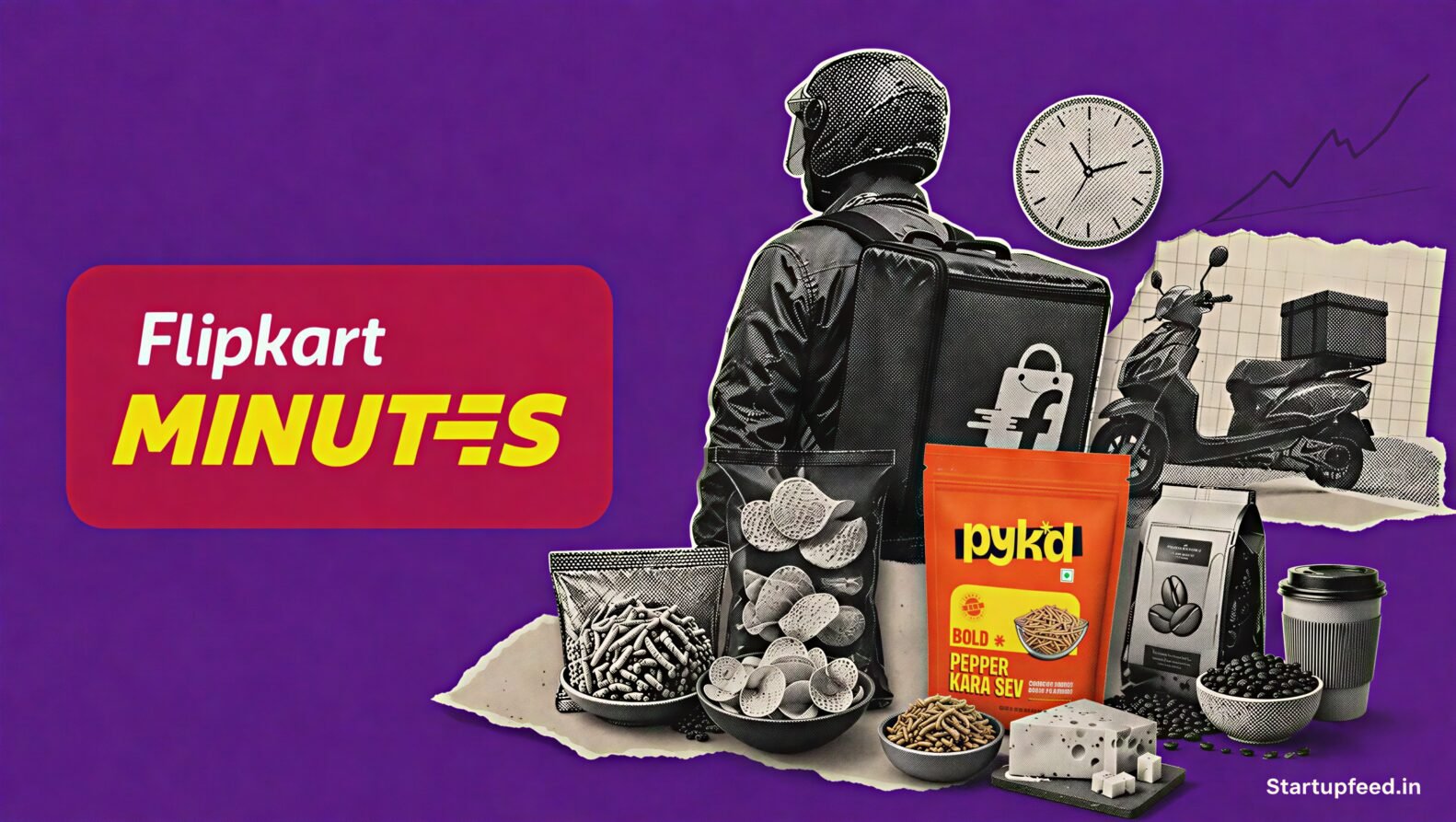
Swiggy, founded in 2014 and headquartered in Bengaluru, and Zomato, owned by Gurugram-based Eternal Limited (founded 2010), together control over 90% of India’s food delivery market. Rapido, a Bengaluru bike-taxi platform, launched Ownly in 2025. Flipkart, the Walmart-owned e-commerce major, runs Flipkart Minutes in quick commerce and is now piloting food delivery via ONDC.
Why are cheaper bites hurting the duopoly?
Cheaper bites hurt the duopoly because they attack its core revenue engine, the restaurant commission, at a moment when restaurants are already restless. India’s food delivery take rates are among the world’s highest.
“Zomato and Swiggy’s take rates at 24.4% and 21.9% respectively are much higher than global peers, easily besting China’s Meituan’s 16.1%,” per HSBC, as cited by Reuters.
That spread is the opening challengers are exploiting. When a rival offers restaurants a 10% commission or none at all, the duopoly’s pricing suddenly looks like a cost restaurants can escape. The August 15 boycott threat by Bengaluru restaurants shows the pressure is no longer just competitive, it is now a direct revolt over fees.
How are Swiggy and Zomato reacting?
Swiggy and Zomato are reacting by launching cheaper, separate apps rather than cutting core commissions across the board. Swiggy rolled out Toing, a value app offering meals in the Rs 100 to Rs 200 range, first in Pune in September 2025, and has since expanded it to more than 50 cities. Zomato, through Eternal-owned Blinkit, runs Bistro, a quick-bite service that dispatches ready-to-eat items from Blinkit’s dark store network rather than from partner restaurant kitchens. Both are hedges: they let the incumbents chase price-sensitive users without gutting the high-commission model that funds their main platforms. Investors are watching closely. Swiggy shares fell as much as 7% on July 24, 2026,
What’s Next
The next flashpoint is August 15, 2026. If Bengaluru restaurants follow through on the boycott while Flipkart‘s pilot goes live at 10% commission, the city becomes a live test of whether low-fee models can dent a 90%-plus duopoly. The number to watch is city-level market share by December 2026. Will cheaper commissions finally crack the Swiggy-Zomato hold, or will scale and habit win again?
Frequently Asked Questions
Have a tip? Write to us at editorial@startupfeed.in.
Liked this story? Follow StartupFeed on Google so our reporting reaches you first.