
Quick Take
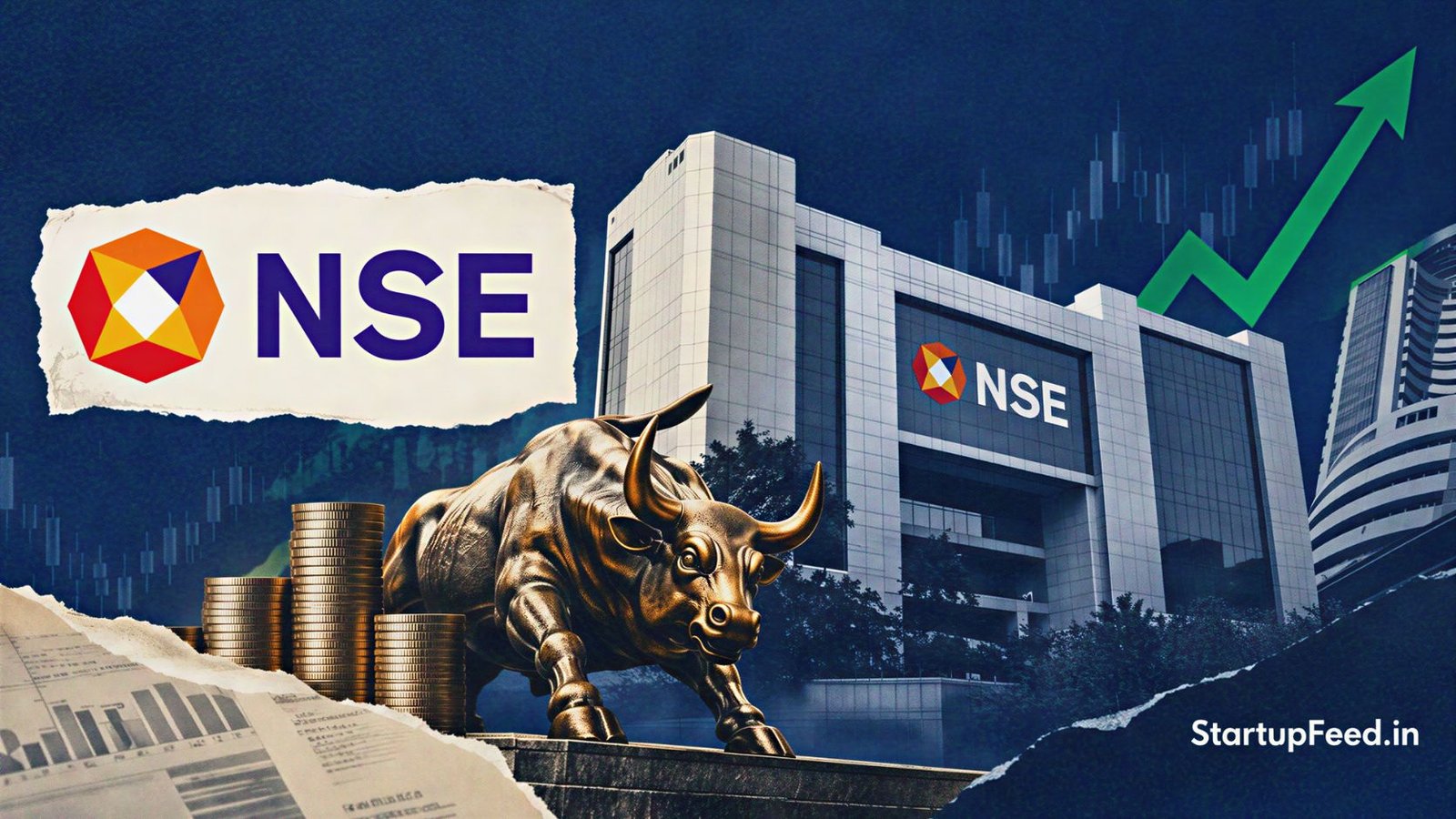
- NSE raised Rs 6,746.18 crore from 189 anchor investors on September 16, 2026.
- LIC took the single biggest slot, worth Rs 400.3 crore, at Rs 1,785 per share.
- The Rs 22,562 crore issue opens today and is fully an offer for sale.
The National Stock Exchange of India raised Rs 6,746.18 crore from anchor investors on September 16, 2026, one day before its public issue. The exchange allotted shares to 189 investors.
NSE allotted 3,77,93,739 shares at Rs 1,785 each, the top of the price band. The exchange confirmed the allocation in a filing on Wednesday.
Life Insurance Corporation of India led the book. LIC picked up 22,42,584 shares worth Rs 400.3 crore. That is 5.93% of the anchor portion.
LIC is already NSE’s largest shareholder, with a 10.72% stake. It applied through LIC, LIC Mutual Fund and LIC Pension Fund. Its stake alone is bigger than the whole offer.
Societe Generale came next. Its offshore desk took 17.7 lakh shares worth about Rs 316 crore. Norway’s Government Pension Fund Global took 14 lakh shares worth about Rs 250 crore.

Who bought the NSE anchor book?
Foreign and domestic institutions split the book almost evenly. Offshore investors took 43% of it. Domestic mutual funds took nearly 37%.
Foreign portfolio investors put in Rs 2,883 crore. More than 20 foreign long-only funds joined the book. Abu Dhabi Investment Authority and the Monetary Authority of Singapore were among them.
Indian mutual funds put in Rs 2,494.99 crore. That money came from 29 fund houses, applying through 98 schemes. SBI, ICICI Prudential, HDFC, Nippon India, Kotak and Axis all took part.
Insurance and pension money filled the rest. NSE said 11 large domestic insurers and pension funds joined. SBI Life, HDFC Life and SBI Pension Fund were on the list.
| Investor group | Amount | Share of book |
|---|---|---|
| Foreign portfolio investors | Rs 2,883 crore | 43% |
| Domestic mutual funds | Rs 2,494.99 crore | 37% |
| Insurers and pension funds | Rs 3,588 crore (with MFs) | 53% domestic total |
| Total anchor book | Rs 6,746.18 crore | 100% |
The mix matters for one reason. A heavy domestic bid usually signals steady local demand. A strong foreign bid signals global appetite. This book had both.
What is the NSE IPO size and price?
The NSE IPO opens on September 17, 2026, and closes on September 21. The price band is Rs 1,700 to Rs 1,785 per share.
The issue size is Rs 22,562 crore. That comes from 12,64,36,650 shares on offer. It is one of India’s largest ever public issues.

The whole issue is an offer for sale. No fresh shares are created. Every rupee goes to selling shareholders, not to NSE.
Sellers include the State Bank of India and the Canada Pension Plan Investment Board. Aranda Investments and The New India Assurance Company are also selling. NSE gets no new capital from this listing.
The lot size is 8 shares. A retail bid needs Rs 14,280 at the top price. Shares are set to list on the BSE on September 24.
Why does the NSE IPO matter for startups?
NSE is the venue where most Indian startups list. Its cash-market turnover share was 92.99% in FY26. Its equity futures share was 99.79%, per its draft papers.
A record startup IPO wave is now running through that venue. StartupFeed has tracked 48-plus new-age firms preparing to list. Shiprocket, Jio Platforms and others sit in the same queue.
NSE’s own numbers cooled last year. Revenue from operations fell 3% to Rs 16,601 crore in FY26. Net profit fell 15% to Rs 10,302 crore.
The drop came from lower derivatives activity. Transaction charges are the bulk of NSE’s revenue. Options trading alone made up 60.22% of operating revenue.
What this means for you: a strong anchor book points to firm demand, but the all-OFS structure means founders should read this as an investor exit, not a growth raise.
StartupFeed Insight
The anchor book tells you who trusts the price, and this one leans domestic. Insurers, pension funds and mutual funds took 53% of it, led by LIC’s Rs 400.3 crore slot. That is a vote from the same institutions that hold India’s retirement money. Foreign funds matched it with 43%, so both sides paid the top of the band. The signal is confidence in NSE’s near-monopoly, not in its FY26 numbers, which fell. Watch the listing on September 24. If NSE opens above Rs 1,993, the grey market’s 12% premium was right and the retail rush will follow.
— Avinash Mishra, Business Correspondent
Frequently Asked Questions
What this means for you: if you plan to apply, one lot needs Rs 14,280, and allotment is expected on September 22 before a September 24 listing.
Have a tip? Write to us at editorial@startupfeed.in.
Disclaimer: This article is for information only and is not investment advice. StartupFeed and its authors are not SEBI-registered investment advisors. Please speak to a SEBI-registered advisor before investing.
Liked this story? Follow StartupFeed on Google so our reporting reaches you first.