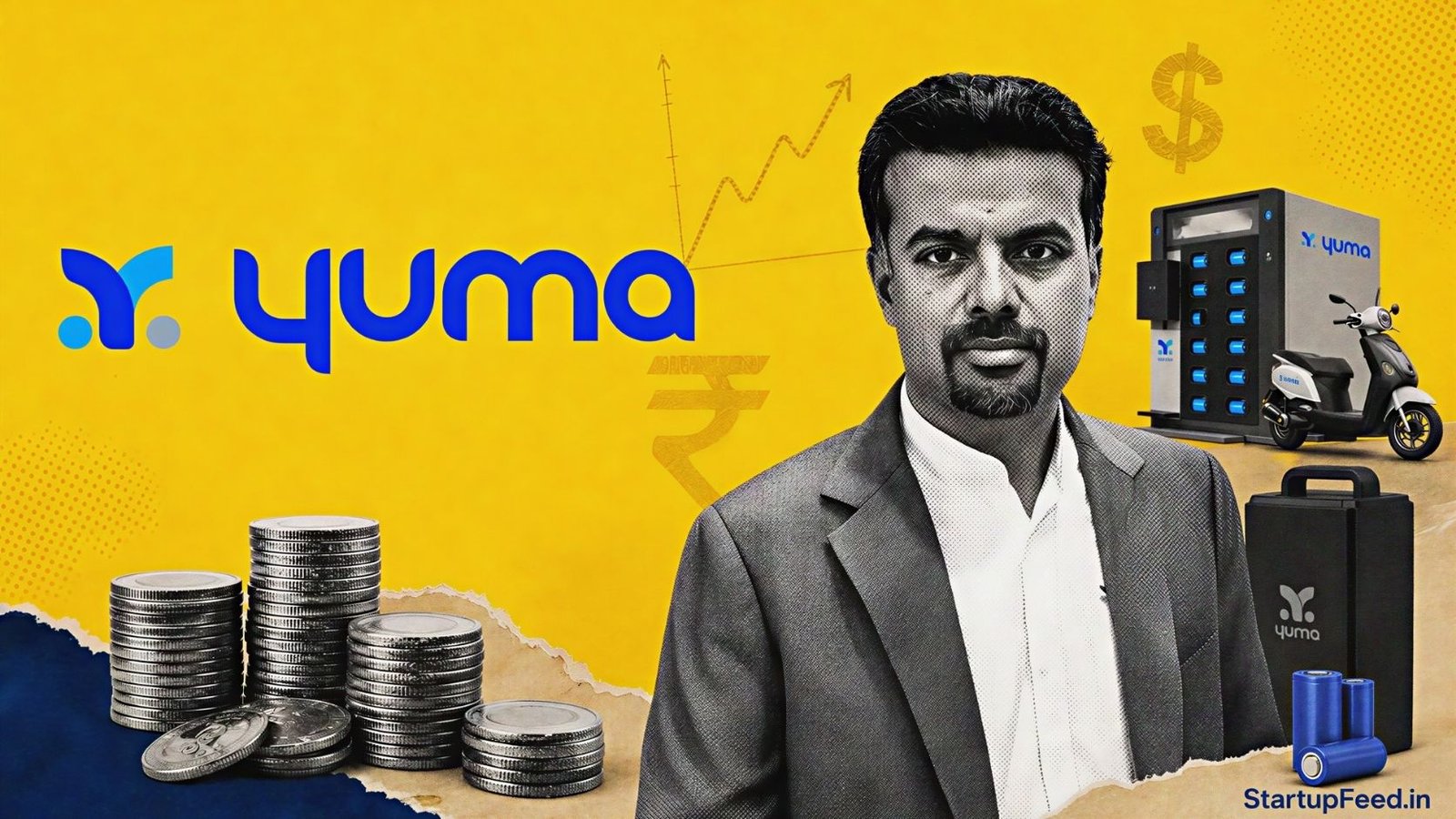
Yuma Energy has raised $35 Mn in a Series A round from Magna International. On the same day, it also bought battery firm Grinntech.
The Bengaluru startup runs a battery-swapping network for electric two- and three-wheelers. Magna led the round, but it is not a new backer. Magna already owned 51% of Yuma before this deal.
This round takes Magna’s total bet on the company to about $87 Mn, TechCrunch reported on August 31, 2026. So this is an existing owner buying more, not a fresh investor stepping in.
That detail matters. Yuma was born in early 2023 as a joint venture between Magna and Yulu, which held a 49% stake. That stake will now shrink.
Yuma’s managing director Muthu Subramanian confirmed the dilution to TechCrunch, but did not share the new ownership split.

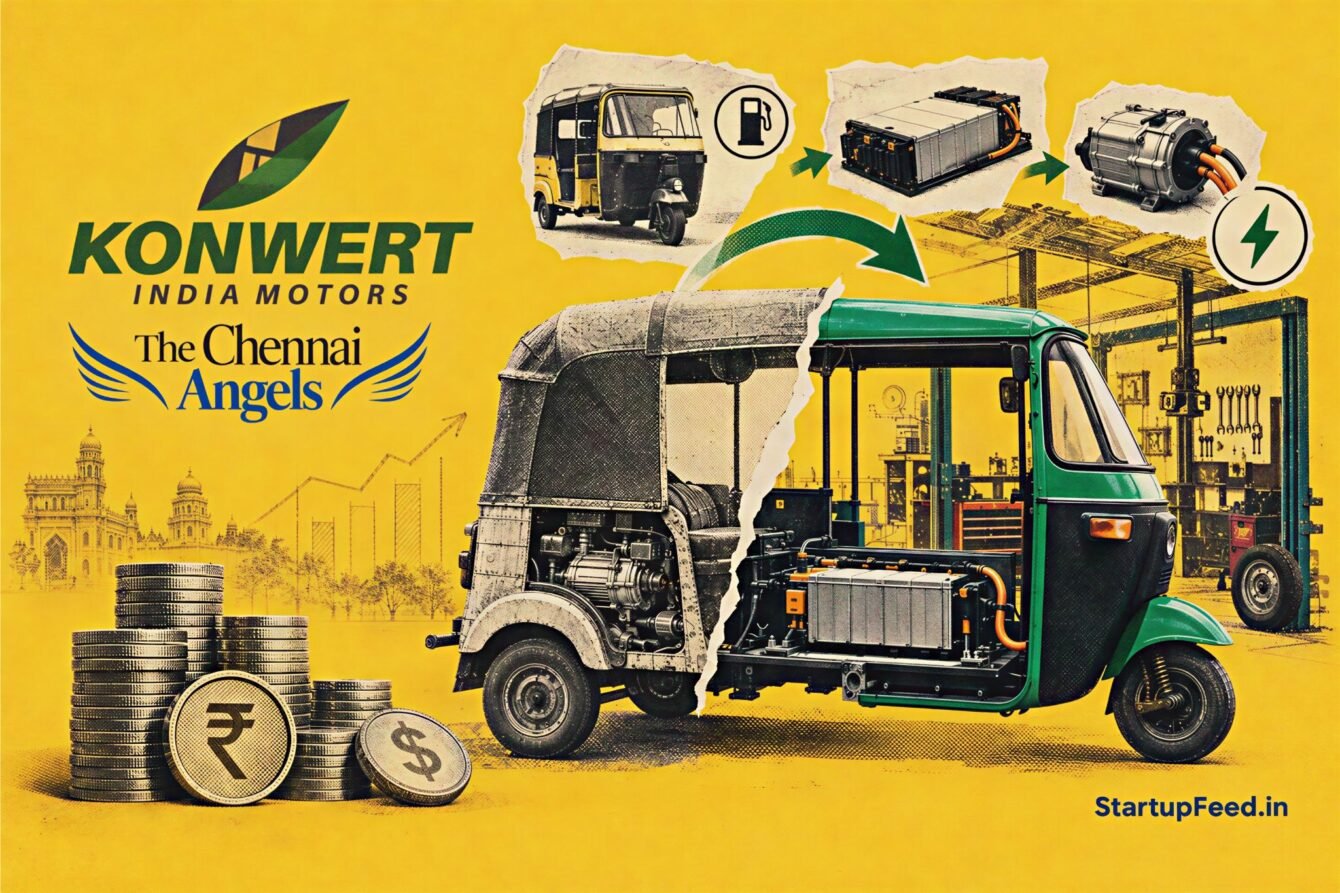
Yuma also acquired Grinntech, a Chennai battery firm founded in 2013. Grinntech designs lithium-ion batteries and battery software. The deal gives Yuma its own battery R&D and factory work, so it no longer buys that skill from outside.
Founded in 2023, Yuma says it has crossed 60 million battery swaps. Its network runs on more than 100,000 batteries and over 2,500 charging units. It also has more than 400 touch points across 18 cities.
Yuma powers Yulu’s electric fleet. It also sells open-access swapping to other OEMs and last-mile delivery firms.
Yuma will use the money to grow its swapping network across India and add more customers. It is aiming to be EBITDA-positive by FY27, the company said. EBITDA means earnings before interest, taxes, depreciation and amortisation.
Battery-as-a-service firms split the battery cost from the vehicle. Riders pay for a charged battery through a subscription or per-use plan. This cuts the upfront price of an EV, and it cuts idle time because a swap takes only minutes.
Yuma is not alone. Battery Smart, Sun Mobility and Gogoro are building similar networks in India. Battery Smart raised about Rs 124 crore ($13 Mn) in debt from responsAbility Investments AG in July.
What this means for you: If you run a delivery or fleet operation, the Grinntech deal means Yuma now controls its own battery supply, which should make its swapping pricing and coverage more stable as it scales.


Have a tip? Write to us at editorial@startupfeed.in.
Disclaimer: This article is for information only and is not investment advice. StartupFeed and its authors are not SEBI-registered investment advisors. Please speak to a SEBI-registered advisor before investing.
Liked this story? Follow StartupFeed on Google so our reporting reaches you first.