
Quick Take
- UPI processed a record 24.51 billion transactions worth Rs 29.82 lakh crore in August 2026.
- Volume rose 22% year-on-year and daily payments hit 791 million.
- PhonePe and Google Pay held 78.6% of July volume, their combined share below 80% for the first time this year.
India’s Unified Payments Interface processed a record 24.51 billion transactions in August 2026. That is the highest monthly volume ever. The transactions were worth Rs 29.82 lakh crore. The National Payments Corporation of India released the data on September 1, 2026.
Volume rose 3.6% from 23.66 billion in July. It grew 22% from 19.63 billion in August 2025. NPCI data shows value climbed 20% year-on-year, from Rs 24.85 lakh crore last August.
This was the second straight month of record volume. July had set the previous high at 23.66 billion transactions.
How Fast Is UPI Growing in 2026?
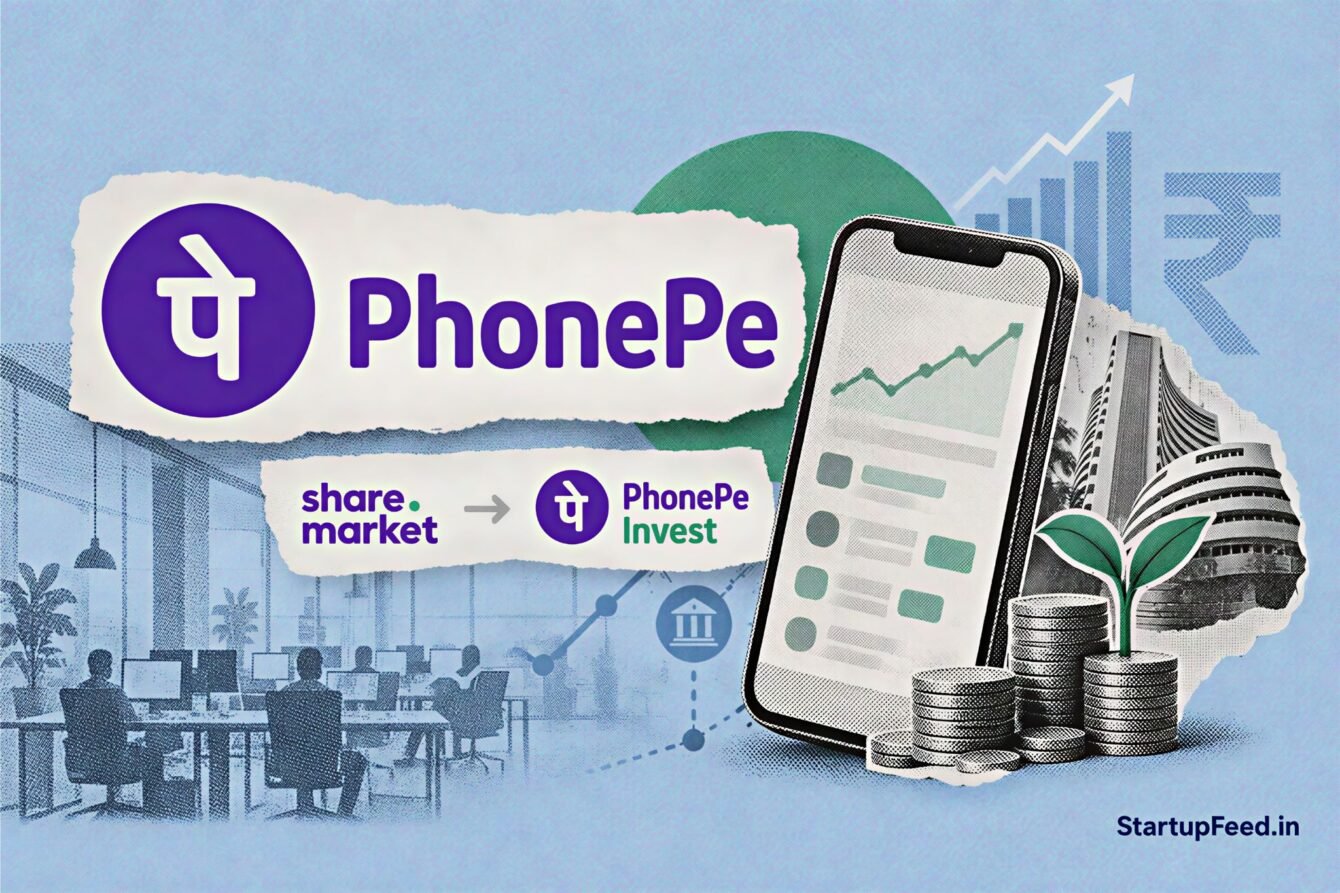
UPI now clears 791 million payments on an average day. That number was 763 million in July. The daily figure keeps climbing even as monthly value flattens.
The average daily transaction value slipped to Rs 96,205 crore. It was Rs 96,383 crore in July. The dip is marginal and volume is doing the heavy lifting.

| Metric | July 2026 | August 2026 |
|---|---|---|
| Monthly volume | 23.66 billion | 24.51 billion |
| Monthly value | Rs 29.88 lakh crore | Rs 29.82 lakh crore |
| Daily transactions | 763 million | 791 million |
| Daily value | Rs 96,383 crore | Rs 96,205 crore |
What Drove the August Record?
Festive spending drove the August jump. Raksha Bandhan pushed up peer-to-peer transfers and small gifts. NPCI named the festival as a direct cause.
Reeju Datta, cofounder of Cashfree Payments, read the numbers as a sign of maturity. “The sustained high volume alongside a plateauing transaction value demonstrates that UPI is maturing and is being used for daily low-ticket transactions, which were earlier being done through cash,” Datta said. Cashfree expects consumer spending to shift toward higher-value categories such as electronics and appliances during the festive season.
Monthly UPI value has stayed above Rs 20 lakh crore since October 2025. Wider merchant acceptance and deeper smartphone use keep pulling new users in. Rural markets are a growing share of the base.
Who Is Winning the UPI App Race?
App-wise market share for August is not out yet. The July data tells the story so far. PhonePe and Google Pay together held 78.6% of volume in July, according to Inc42. Their combined share has slipped below 80% for the first time this year.
Smaller apps are eating into that lead. Sachin Bansal-led Navi rose to 4% share in July, from 3.7% in June. Flipkart-backed super.money is also gaining as both firms push cashback and rewards.
Siddharth Mehta, cofounder and chief operating officer of fintech startup Kiwi, sees credit as the next lever. “Solutions such as credit on UPI and EMI (equated monthly instalment) on UPI are enabling consumers to manage larger purchases with greater flexibility and better cash-flow management,” Mehta said. Kiwi is a Delhi-based startup that lets users spend on UPI using credit cards.
What Happens When the 30% Cap Bites?
NPCI runs a 30% volume cap rule for any single UPI app. That cap is meant to break the concentration at the top. The slip below 80% shows the shift has started.

StartupFeed Insight
The headline is the 24.51 billion count, but the flat value is the real signal. Volume is up 22% on the year while value barely moved. That gap is the whole story. UPI has become the rail for the kirana bill and the auto fare, not the big purchase. That is why Cashfree and Kiwi both point to credit and higher-ticket spending next. The founder who should watch closest is anyone building on UPI credit lines. If PhonePe and Google Pay stay under 80% through the festive quarter, expect the 30% cap debate to sharpen before March 2027.
— Harshvardhan Kothari, Technology and Policy Correspondent
What this means for you: If you build on UPI, design for small-ticket, high-frequency payments now and watch the credit-on-UPI rails opening for larger baskets.
Have a tip? Write to us at editorial@startupfeed.in.
Disclaimer: This article is for information only and is not investment advice. StartupFeed and its authors are not SEBI-registered investment advisors. Please speak to a SEBI-registered advisor before investing.
Liked this story? Follow StartupFeed on Google so our reporting reaches you first.