
Quick Take
- The India Semiconductor Mission 2.0 now carries a $13.5 Bn outlay, up from $8 Bn in the first phase.
- 12 chip-making projects are approved. Three have already started commercial production.
- SEMICON India 2026 runs September 17 to 19 with a startup showcase, a pitch competition and a student hackathon.
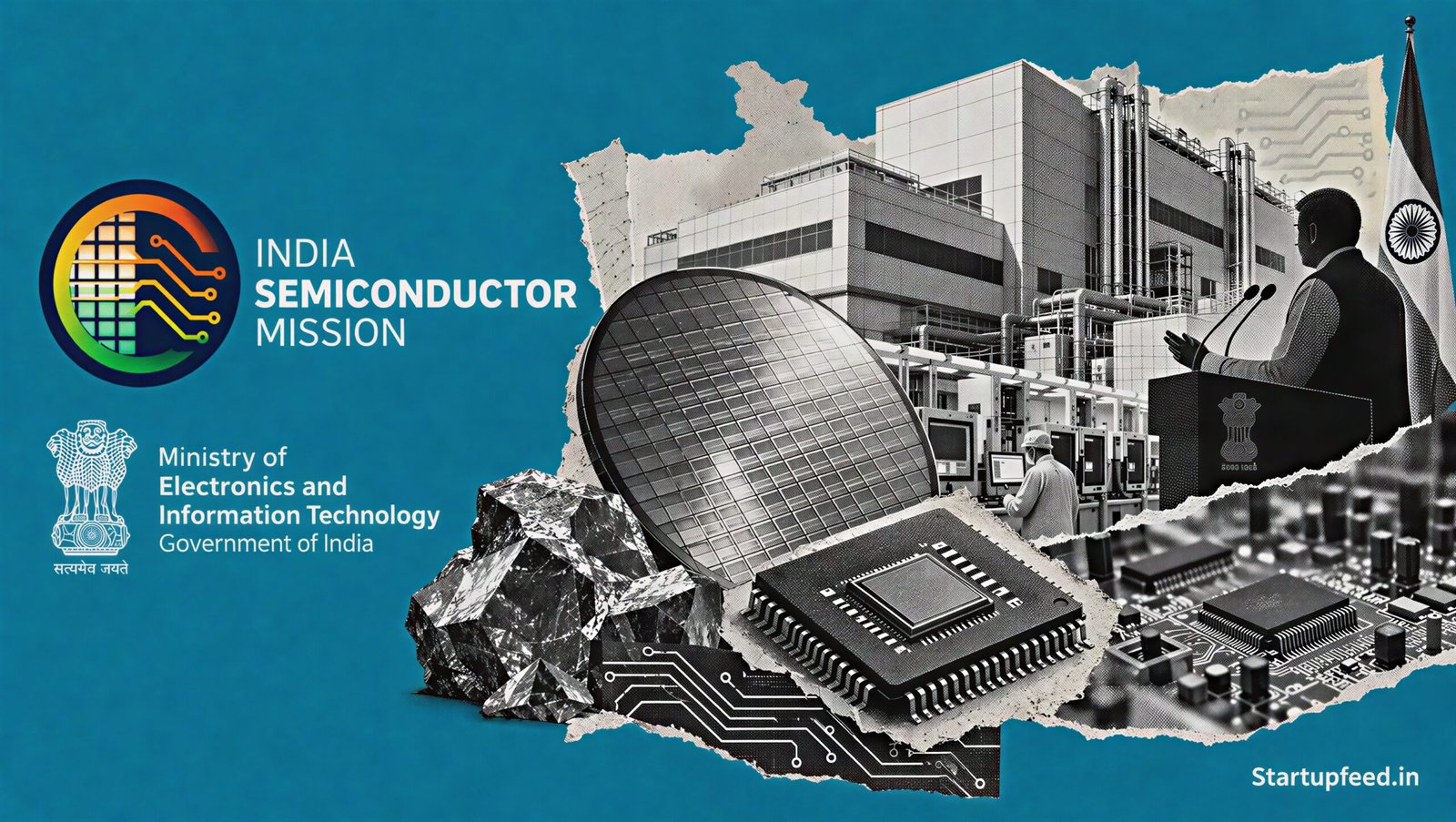
Prime Minister Narendra Modi opened SEMICON India 2026 in New Delhi on September 17, 2026. He said India’s semiconductor ecosystem is expanding fast and opening new room for investment and growth.
The India Semiconductor Mission 2.0 now has an outlay of $13.5 billion. That is up from $8 billion in the first phase, Modi said at the event. The scheme was cleared with a government outlay of Rs 1,27,500 crore.
So far, 12 chip-making projects have been approved. Government data shows three have already started commercial production. Modi said the number of projects will rise further in the next phase.
The event is at Yashobhoomi in Dwarka. It runs three days, from September 17 to 19. This is the fifth edition.
What is SEMICON India 2026?
SEMICON India 2026 is a three-day chip industry event in New Delhi. It is jointly organised by the India Semiconductor Mission, the Ministry of Electronics and Information Technology (MeitY) and SEMI. The theme this year is “Silicon to Systems: Building the Ecosystem”.

The scale is large. The event brings together more than 600 exhibitors, including about 300 international firms. Delegates come from more than 40 countries.
It also features more than 150 speakers. The floor covers over 15,000 square metres. MeitY is the nodal ministry for the mission.
A new “Sand to Silicon to Systems” experience walks visitors through each stage of chip making. That covers design, wafer fabrication, assembly and testing, advanced packaging, materials and equipment.
What does Semicon 2.0 cover?
Semicon 2.0 is the next phase of India’s chip programme, cleared in July 2026 with a Rs 1,27,500 crore outlay. It moves India’s push beyond assembly and packaging. The aim is to build capacity across the full chip value chain.
The phase focuses on six areas. These are chip design, semiconductor equipment and materials, fabrication facilities, advanced packaging, research and development, and talent development.
The talent point matters for founders. “India produces lakhs of engineers every year,” Modi said at the event. He framed skilled youth as India’s core advantage in chips.
| Item | Phase 1 | Semicon 2.0 |
|---|---|---|
| Outlay | $8 Bn | $13.5 Bn (Rs 1,27,500 Cr) |
| Focus | Fabs, packaging | Six areas, full value chain |
| Projects approved | Part of 12 total | Expected to rise |
| Cleared | Earlier phase | July 2026 |
Why should startup founders watch this?
Founders should watch because Semicon 2.0 has a direct startup track. StartupFeed has reported the Rs 15 crore route for chip startups under the scheme. The event itself puts startups on the floor.

SEMICON India 2026 includes a startup showcase and a pitch competition. There is also a student hackathon and a workforce programme. These are entry points, not just exhibits.
Global money is following the policy. US firm Applied Materials has announced plans to invest $5 billion in India over the next decade. That kind of anchor investment builds the supplier base founders can sell into.
The signal is clear. India wants firms across design, materials and equipment, not only large fabs. Smaller players fit that wider chain.
What did Modi say at the event?
Modi said India’s chip journey has moved from policy talk to real production. He said chips made in India are now reaching customers at home and abroad. He pitched India as a reliable place to make chips.
He tied the push to demand. Global chip need is rising, and Modi presented India as a trusted and diversified base. He said the mission is opening new paths for innovation and growth.
The framing rewards speed. India is positioning as an alternative base while global supply chains shift.
What this means for you: If you run a deep-tech or hardware startup, check the Semicon 2.0 startup route and the SEMICON pitch track now, while the phase is fresh and money is moving in.
StartupFeed Insight
The jump from $8 Bn to $13.5 Bn is the headline, but the six-area split is the real tell. Phase 1 chased fabs. Semicon 2.0 spreads money across design, materials, equipment and talent, which is exactly where a small Indian firm can win without billions in capital. Three projects already in commercial production gives suppliers a live customer, not a promise. Watch the equipment and materials track: by mid-2027, expect the first wave of Indian component startups naming these fabs as anchor buyers. That is the citation gap national media keeps missing.
— Soumya Verma, Senior Correspondent
Frequently Asked Questions
Have a tip? Write to us at editorial@startupfeed.in.
Liked this story? Follow StartupFeed on Google so our reporting reaches you first.