
Quick Take
- Paytm posted net profit of Rs 220 Cr ($22.8 Mn) in Q1 FY27, up 79% YoY.
- Operating revenue rose 28% YoY to Rs 2,448 Cr, with record EBITDA of Rs 203 Cr.
- Board rejected the bonus share proposal and approved Rs 100 Cr for Paytm Money.
In This Article
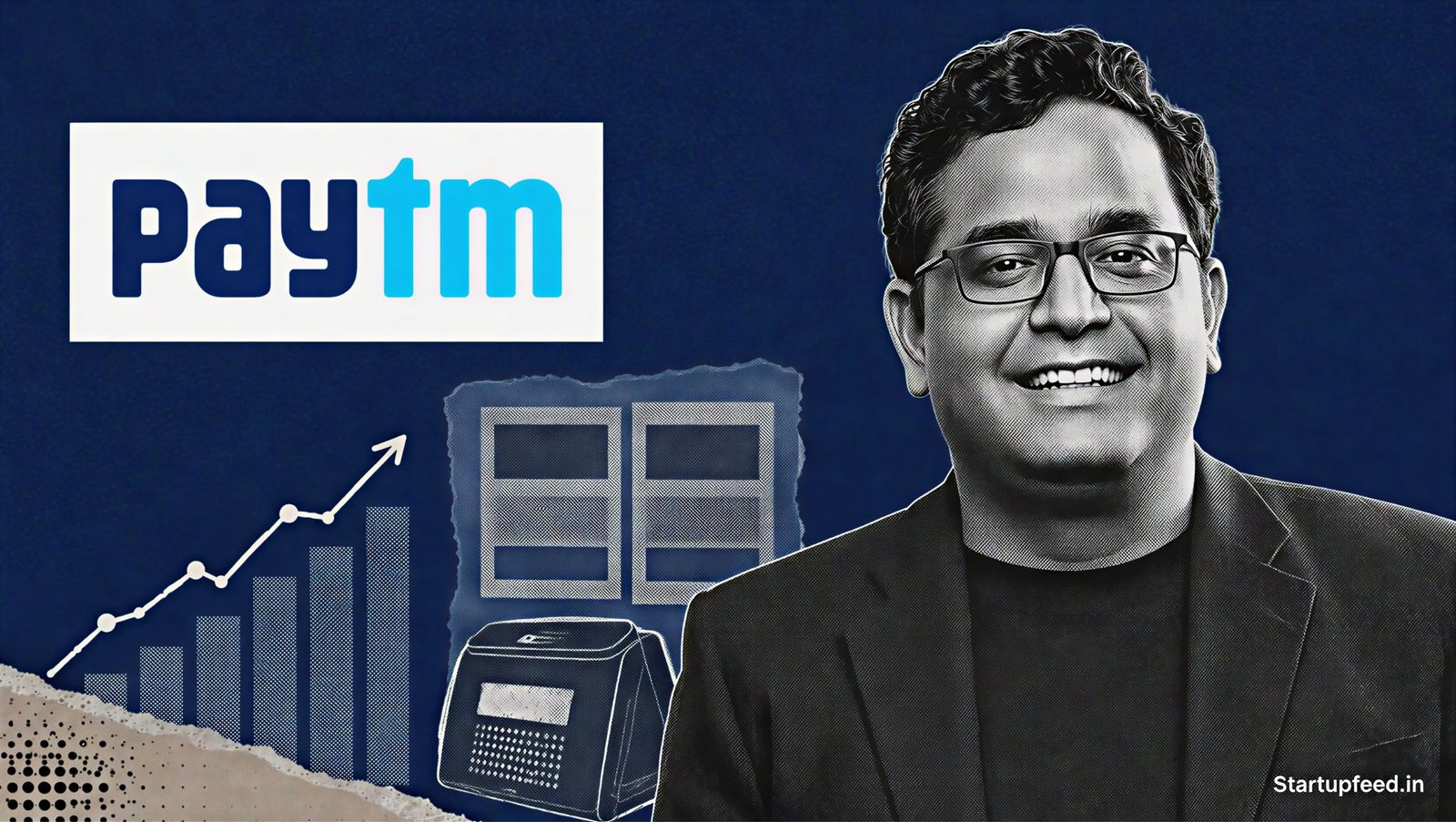
Paytm Q1 results for the June 2026 quarter show consolidated net profit of Rs 220 Cr ($22.8 Mn), up 79% YoY, announced by One 97 Communications on July 20, 2026.
Operating revenue for the quarter climbed 28% YoY to Rs 2,448 Cr ($253.8 Mn), according to the company announcement. EBITDA (Earnings Before Interest, Taxes, Depreciation and Amortisation) hit a record Rs 203 Cr, rising 182% YoY. The Noida based fintech also used the same board meeting to settle a closely tracked question on bonus shares. Full filings sit on the Paytm investor relations financial results page.
StartupFeed Insight
The headline profit number hides the better story. Other income fell 24.5% YoY to Rs 182 Cr, which means the profit jump came from the operating business, not from treasury returns on the cash pile. EBITDA of Rs 203 Cr now sits close to reported profit, a first for this company. Founders building subscription hardware models should watch the device merchant count, now at 1.57 crore, because that base drives both payment revenue and loan distribution. StartupFeed expects Paytm to report quarterly EBITDA above Rs 300 Cr by Q3 FY27, with margin crossing 10%. By Avinash.
Paytm Q1 Results: The Numbers Table
Paytm Q1 results cover the three months ending June 30, 2026, the first quarter of FY27. Every figure below comes from the company announcement filed with the stock exchanges.
| Metric | Q1 FY27 | Change and Notes |
|---|---|---|
| Net profit (PAT) | Rs 220 Cr ($22.8 Mn) | +79% YoY from Rs 123 Cr, +19.5% QoQ from Rs 184 Cr |
| Operating revenue | Rs 2,448 Cr ($253.8 Mn) | +27.6% YoY from Rs 1,918 Cr, +8.1% QoQ |
| EBITDA | Rs 203 Cr | +182% YoY, highest ever, margin at 8% |
| Merchant GMV | Rs 7.1 Lakh Cr | +31% YoY (Gross Merchandise Value) |
| Financial services revenue | Rs 814 Cr | +45% YoY, fastest growing segment |
| Cash balance | Rs 13,529 Cr | As of June 2026, company announcement |
The most telling line is expenses. Paytm spent Rs 2,383 Cr in the quarter, an 18.2% rise from Rs 2,016 Cr a year earlier, well below the 27.6% revenue growth. That gap is what created the record EBITDA.
About Paytm
Paytm, operated by One 97 Communications Limited, is an Indian digital payments and financial services distribution company founded in 2010 by Vijay Shekhar Sharma. Headquartered in Noida, it earns from merchant subscriptions, payment processing, and commissions on loans and wealth products distributed for partner lenders. The company serves 8 crore monthly transacting users and listed on BSE and NSE in November 2021.
Is Paytm profitable on a clean basis?
Yes, Paytm is now profitable on operations alone, without help from one time gains. Other income, which covers interest and treasury returns, actually declined 24.5% YoY to Rs 182 Cr, per the company announcement. Profit still rose 79%, so the improvement came from the core business.
On a comparable basis, excluding the Payments Infrastructure Development Fund (PIDF) incentive that applied till December 2025, operating revenue grew 31% YoY while EBITDA margin expanded by 7 percentage points, the company said in its results statement.
That comparable figure matters more than the headline. The PIDF subsidy ended in December 2025, so its absence drags the reported number down. Strip it out and underlying growth is faster than 28%. Net payment revenue rose 25% YoY on a comparable basis to Rs 601 Cr, with payment processing margin improving above 4 basis points.
Why did the board reject the bonus issue?
The board evaluated a bonus share proposal and declined it, choosing capital retention over a shareholder sweetener. This was the first bonus issue proposal in the company’s listed history, and markets had watched the July 20 board meeting closely for it.
After evaluating the proposal from the perspective of long-term shareholder value and due deliberation, the board was of the view that the company should continue to focus on further compounding growth and profitability for shareholder value creation, Paytm said in its exchange filing.
The board instead approved a Rs 100 Cr investment into wholly owned stockbroking subsidiary Paytm Money, subject to approvals, covering technology spend, regulatory capital, and expansion of investment and wealth management. It also moved to seek shareholder approval for revised use of remaining IPO (Initial Public Offering) proceeds. The last corporate action was a Rs 850 Cr open market buyback completed in December 2022.
How does Paytm compare with rivals?
Paytm competes on two fronts at once, merchant payments and financial services distribution, which few Indian rivals do together at this scale.
| Company | Core model | Listing status |
|---|---|---|
| Paytm | Merchant devices, payments, loan and wealth distribution | Listed since November 2021 |
| PhonePe | Consumer UPI leader, insurance and wealth | Walmart backed, IPO track |
| Razorpay | Online payment gateway and business banking | Private, IPO preparation |
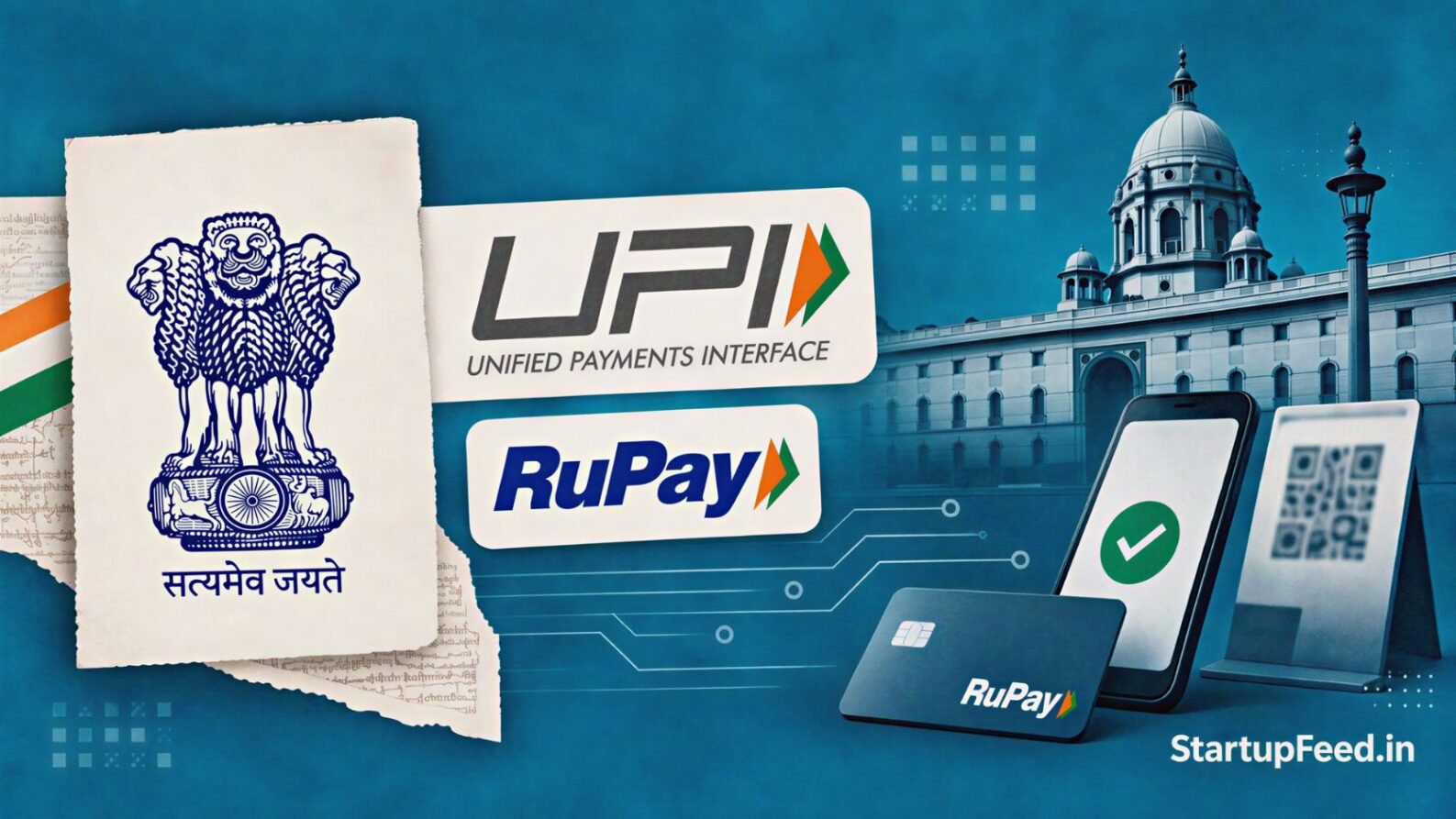
Consumer UPI (Unified Payments Interface) GTV (Gross Transaction Value) grew 45% YoY to Rs 5.9 Lakh Cr, at 2.2 times the industry growth rate, per the company announcement. What separates Paytm is the subscription device base of 1.57 crore merchants, which produces recurring revenue that pure gateway rivals do not collect.
What’s Next
Watch the Q2 FY27 print for whether EBITDA margin holds above 8% without PIDF support. Management has guided toward a 15% to 20% EBITDA margin over the long term, so the next two quarters will test that path. The Rs 100 Cr Paytm Money infusion should show up as broking and wealth revenue by Q4 FY27. Will the board revisit bonus shares once margins stabilise?


Frequently Asked Questions
Disclaimer: This article is for informational purposes only and does not constitute investment advice. StartupFeed and its authors are not SEBI-registered investment advisors. The analysis above is based on publicly available information and should not be the sole basis for any investment decision. Please consult a SEBI-registered financial advisor before making investment decisions.
Written by Avinash. Have a tip? Write to us at editorial@startupfeed.in.
Liked this story? Follow StartupFeed on Google so our reporting reaches you first.