Quick Take
- Indian spacetech startups raised $252.9 Mn in 2026 so far, nearly double the 2025 total.
- Pixxel closed a $100 Mn Series C this month, the largest single spacetech round in India.
- Investors now worry the sector is in a FOMO zone, with valuations ahead of real demand.
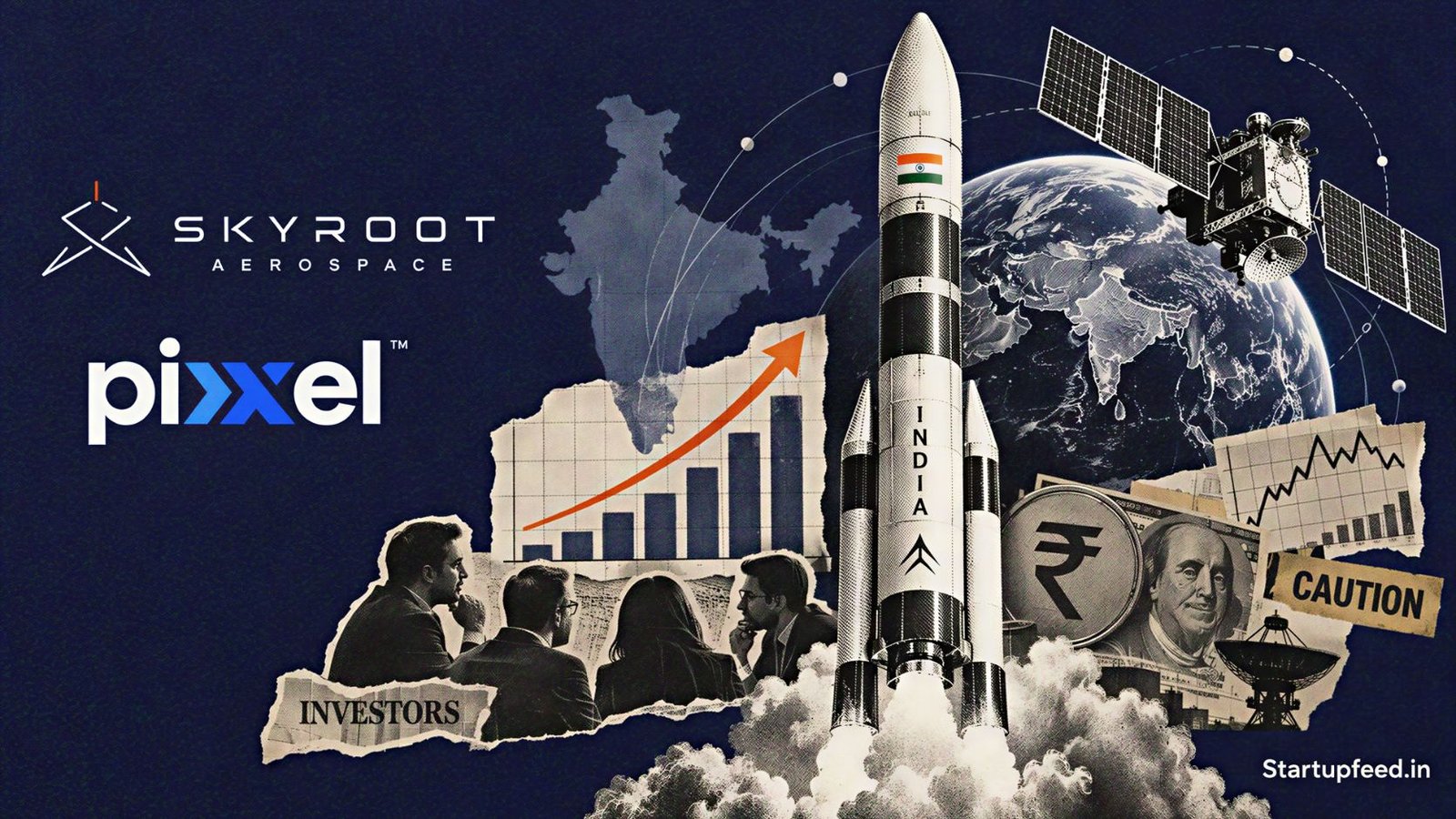
Indian spacetech has moved from experiments to the hard part: proving it can make money. Startups in the sector have raised $252.9 Mn in 2026 so far, according to Inc42 data. That is nearly double what the sector raised in all of 2025.
The money is chasing real milestones. But some of the investors writing the cheques are now nervous about how much they are paying.
Skyroot Aerospace led the run. The Hyderabad startup became India’s first spacetech unicorn in May after a $60 Mn round. It then became the first Indian private firm to put a rocket into orbit, with its Vikram-1 mission. Skyroot is now raising a larger $200 Mn round.
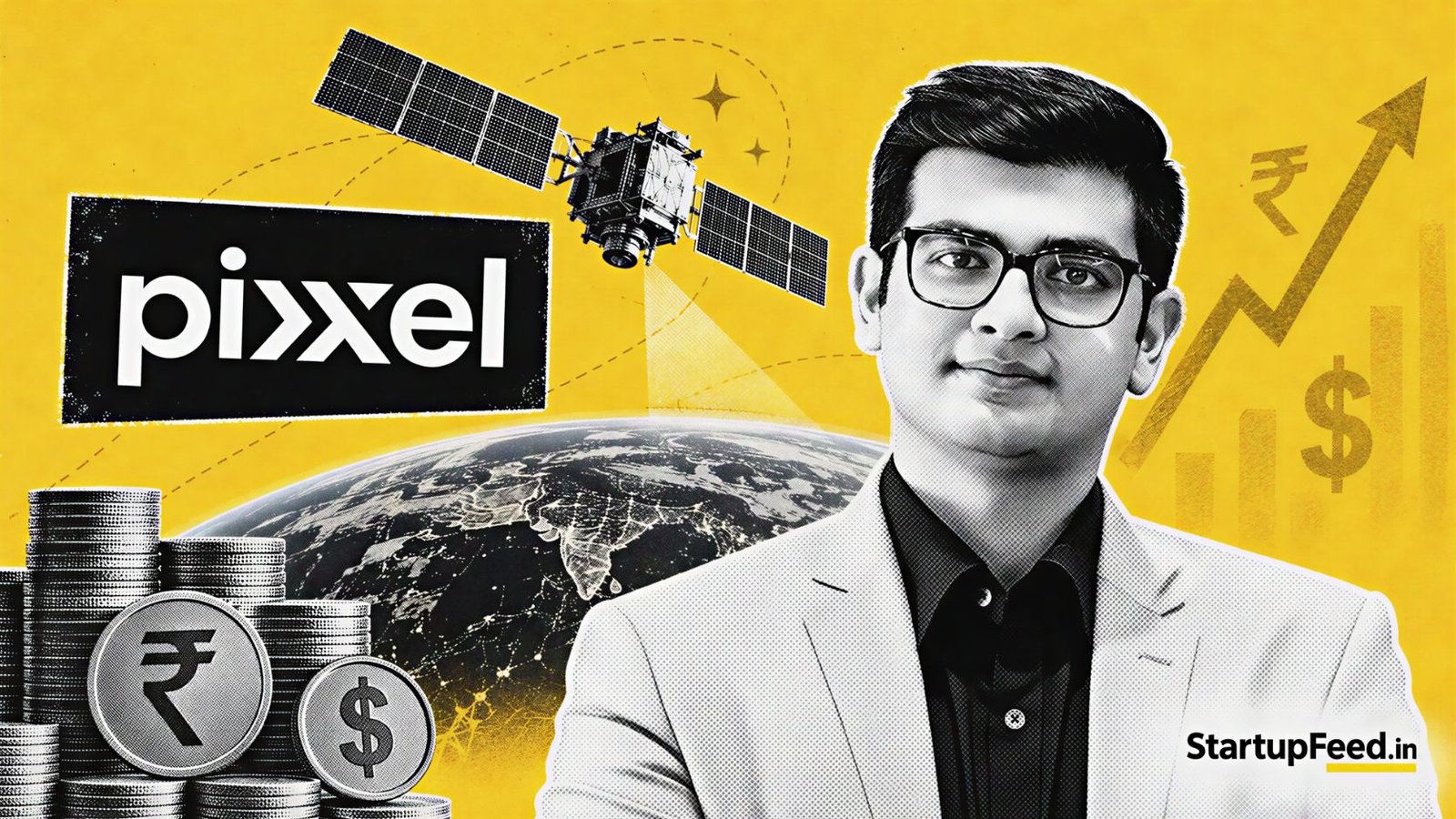
Pixxel raised the biggest single round. The Temasek-backed hyperspectral imaging startup closed a $100 Mn Series C earlier this month. That is the largest funding round any Indian spacetech startup has raised.
Why are investors backing Indian spacetech?
Investors are backing Indian spacetech because policy money and private capital are arriving together. The government has opened its wallet, and startups have hit hard technical targets.
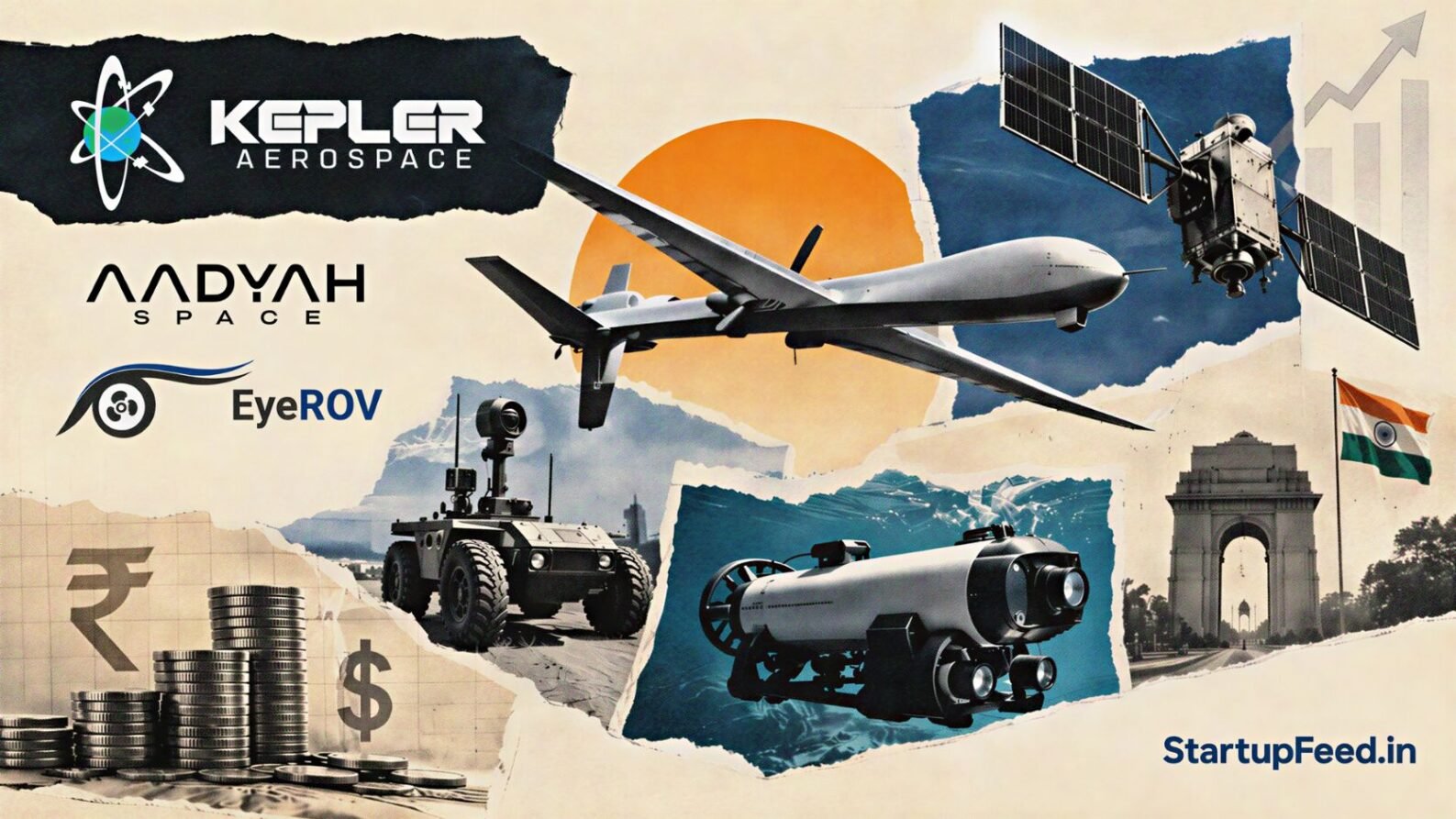
The Indian National Space Promotion and Authorisation Centre, called IN-SPACe, began deploying its Rs 1,600 Cr Antariksh Venture Capital Fund this year. The state-backed Rs 1 Lakh Cr Research, Development and Innovation fund also allocated nearly Rs 834 Cr to spacetech startups in its first cohort.
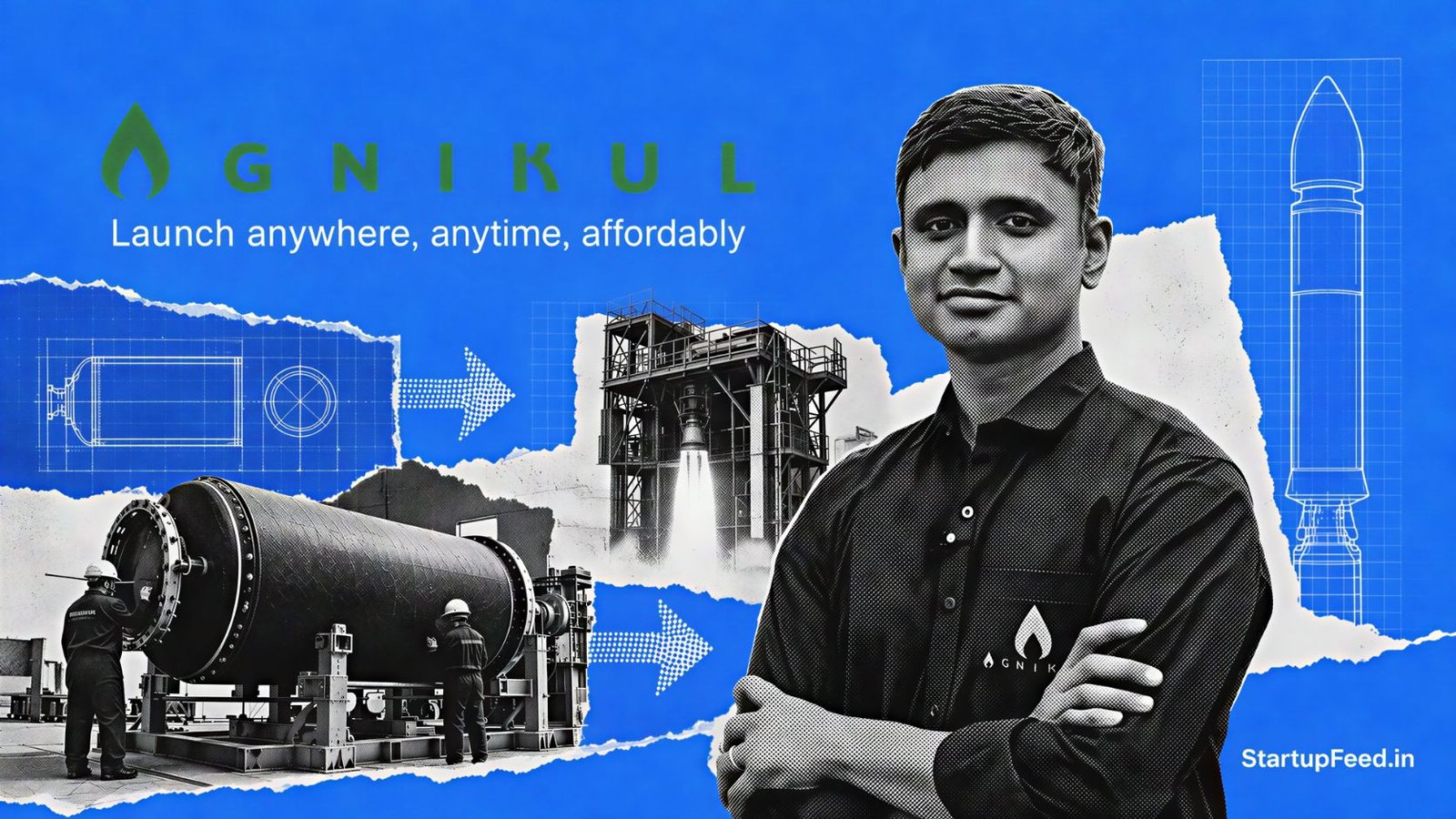
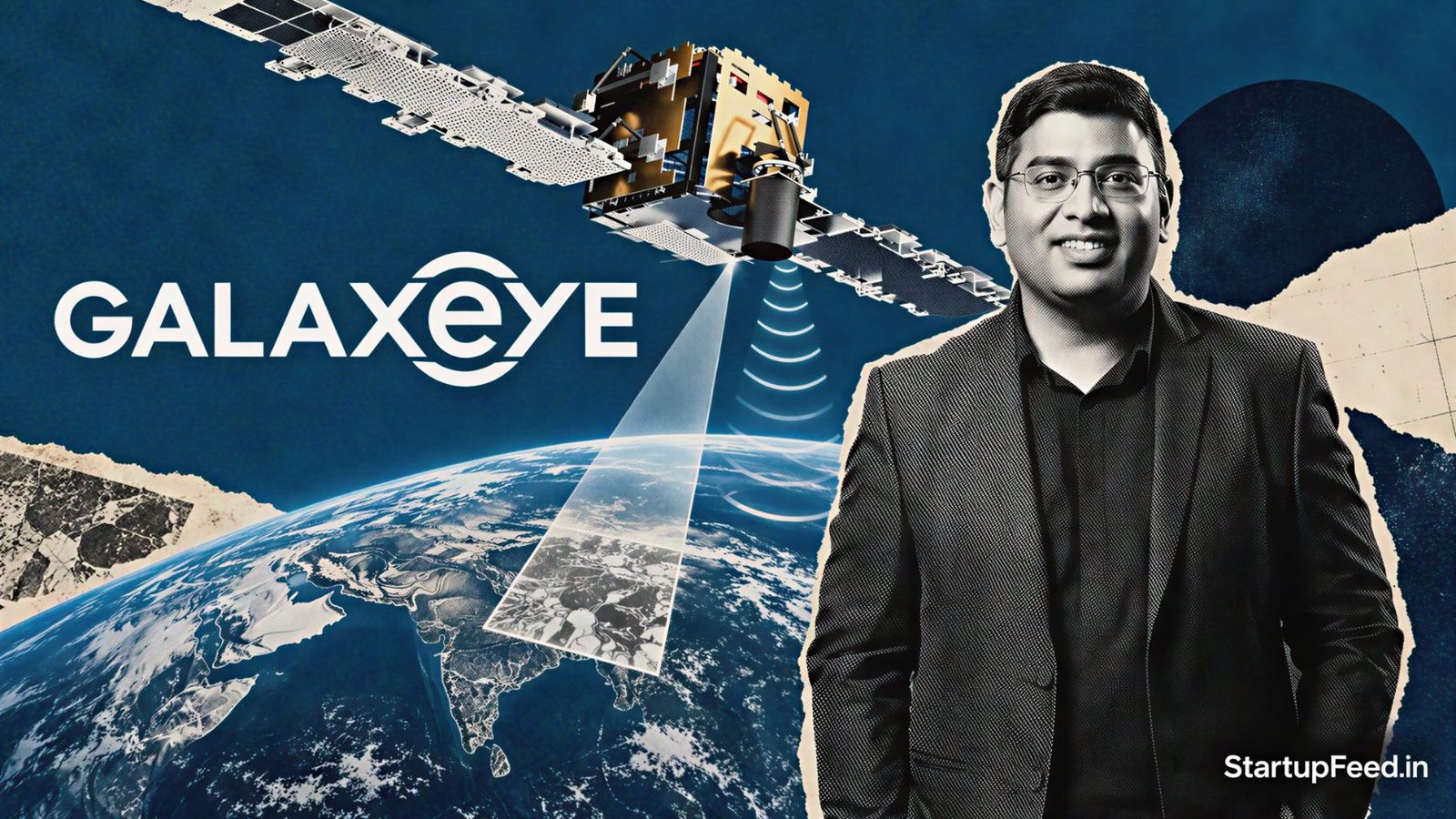
The technical wins are real too. GalaxEye became the first Indian startup to secure a US patent, for its OptoSAR satellite imaging technology. Agnikul Cosmos completed a test firing of its Agnite engine. Agnikul says it is India’s first semi-cryogenic engine and the largest 3D-printed single-piece rocket engine in the world.
Union minister of state Jitendra Singh pegged India’s space economy at about $9 Bn earlier this year. He projected it would grow to nearly $45 Bn over the next decade.
Behind that number sits a full value chain. First is the infrastructure layer: ground stations, launch vehicles and rocket components. Then come payloads, the satellites and sensors that ride the rocket. Last is the downstream layer, the analytics and services that turn raw orbital data into something a customer can use.
Viju George, a partner at Mela Ventures, sees the most promise downstream. “Revenue models in satellites tend to be very lumpy and capex-driven, whereas data streams tend to be high-margin recurring revenue,” he said.
George also likes the components play. He compared it to selling shovels in a gold rush. A supplier of avionics and communication parts does not depend on one satellite brand winning.
Ashish Taneja of GrowX Ventures, an early Pixxel backer, calls earth observation a huge market. He said the infrastructure layer is a big opportunity too, because it stays supply-constrained.



What is making investors nervous?
What is making investors nervous is the gap between fast-rising valuations and real, proven demand. The capital has come in quickly. The customers have not always followed.
“I worry about the valuations because now somehow we are in the FOMO zone,” George said. FOMO means fear of missing out. He is unsure whether the market is yet large enough to justify current prices.
The risk is sharpest for capex-heavy businesses. Large cheques are being signed on the promise of future launch cadence and scale. India’s own launch capacity is still being built.
Space hardware carries its own risks. There are questions around technology, manufacturing, launch and how long a satellite lasts. Satellites are expected to work for about five to six years. India does not yet have enough history to know how well newer constellations will hold up.
Thin launch data makes benchmarking hard. Investors struggle to judge execution or predict revenue. A growing crowd of startups is also raising the bar, with many firms now chasing the same problems.
To scale, these startups must sell beyond the government. State buying has been the anchor customer so far. Founders will need foreign sovereign buyers and commercial clients next. Winning those means proving cost, reliability and consistency against global rivals.
Taneja expects a shakeout. “Not many people will make the cut” in attracting sustained capital, he said. He predicts consolidation, with stronger players absorbing smaller ones as the sector turns into vertically integrated space infrastructure companies.
What will it take to win funding now?
To win funding now, a startup must show a clear use case, a defensible product and a real buyer. A hard engineering win alone is no longer enough to raise a growth round.
The first phase of Indian spacetech ran on vision. That has changed. Investors now want to know which firms can turn breakthroughs into large, durable markets.
“Early stage investors like to see milestones because we think they are the precursor to valuations and revenues. But once growth investors come in, they like to see tangible metrics,” George said.
The bar has clearly risen since 2018. Back then, investors asked whether building satellites and propulsion out of India was even possible. That question is settled.
“I want a precise use case. I want clarity on the use case. I want a differentiated solution which is defensible in the long run,” Taneja said.
This is why established startups now hold the edge in growth rounds. A track record is worth more than a pitch. Global investors are joining larger rounds, and domestic growth funds are starting to enter Series B and beyond.
The funding pool is still shallow for capital-hungry firms. That could push more of them toward public markets over time. Once a company has revenue and scale, a listing offers another route to capital and liquidity.
The long development cycle can also reward patient early backers. Taneja cited a 17X return over about five years, after GrowX sold a small part of its Pixxel stake during the $100 Mn round.
How do India’s spacetech rounds compare?
India’s biggest spacetech rounds now run well into the tens of millions of dollars. Here are the key figures from 2026 and the funds behind them.
| Item | Amount | Detail |
|---|---|---|
| Sector funding, 2026 so far | $252.9 Mn | Nearly double 2025 |
| Pixxel Series C | $100 Mn | Largest single spacetech round in India |
| Skyroot unicorn round | $60 Mn | India’s first spacetech unicorn, May 2026 |
| Skyroot new round | $200 Mn | Currently being raised |
| Antariksh VC Fund | Rs 1,600 Cr | IN-SPACe, deploying capital in 2026 |
| RDI fund to spacetech | Rs 834 Cr | First cohort allocation |
The scale of these rounds explains both the excitement and the worry. The cheques are large. The revenue proof is still coming.
What this means for you: If you are a spacetech founder raising this year, lead with a paying customer and a defensible use case, not a milestone. Growth investors are now pricing traction, not ambition.
StartupFeed Insight
The $252.9 Mn headline hides a split market. Two names, Pixxel and Skyroot, account for $160 Mn of it. That concentration is the real signal. Capital is not spreading across the sector, it is pooling around firms with orbital proof and a revenue story. For everyone else, the next 12 months will be about survival, not valuation. Watch the downstream data players, where George sees recurring, high-margin revenue. Expect at least one visible down round or stalled raise among capex-heavy launch startups before mid-2027, as investors stop paying for launch cadence that does not yet exist.
— Soumya Verma, Senior Correspondent
Frequently Asked Questions
Have a tip? Write to us at editorial@startupfeed.in.
Liked this story? Follow StartupFeed on Google so our reporting reaches you first.