
Quick Take
- NSE’s Rs 22,562 crore IPO closed on September 21, 2026, subscribed 5.7 times.
- At least 35 companies race to list before their SEBI approval expires on September 30, 2026.
- This batch is mostly finance and industrial firms, not venture-backed startups.
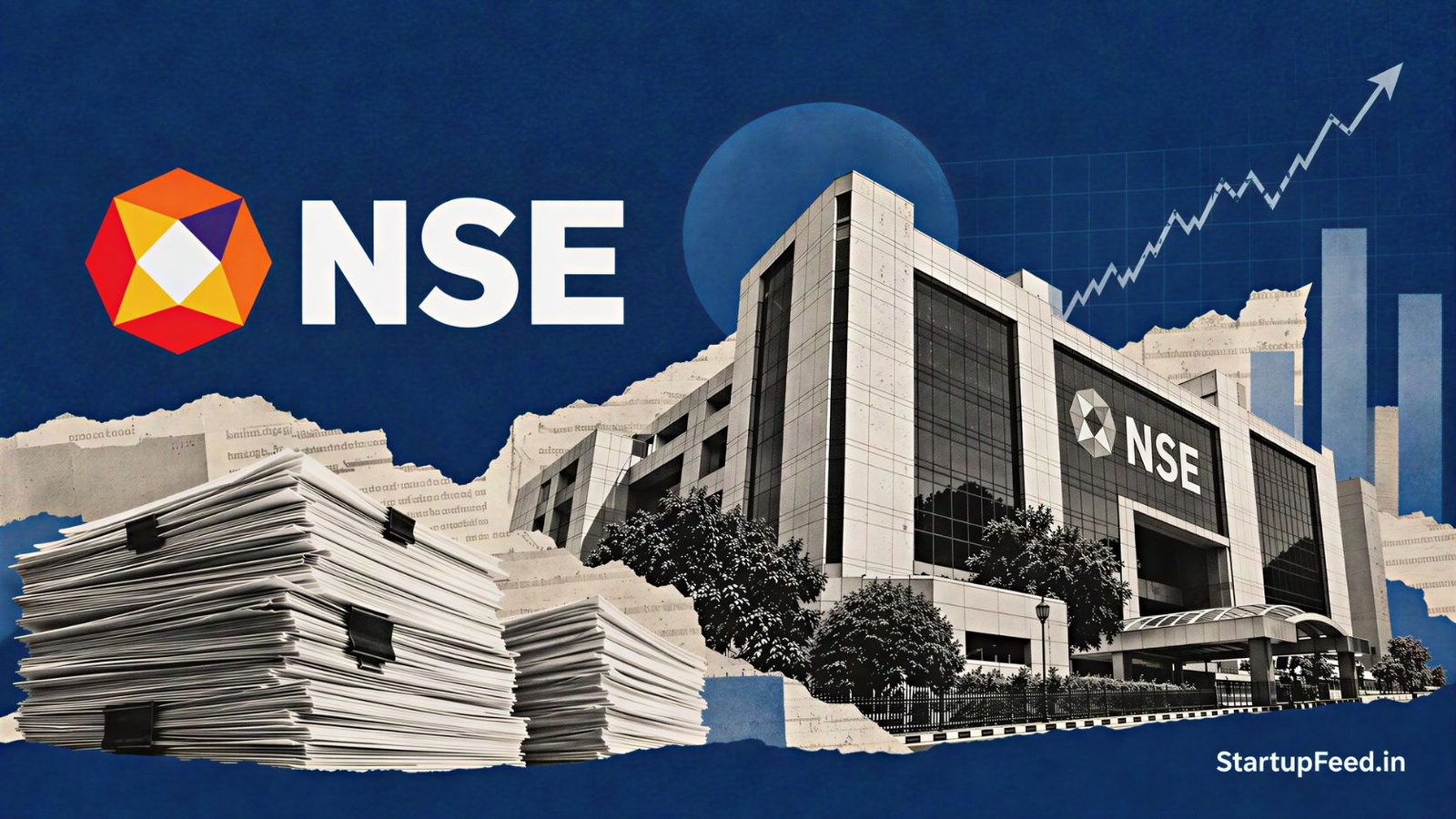
The National Stock Exchange closed its Rs 22,562 crore IPO on September 21, 2026, subscribed 5.7 times. It is the largest share sale in India this year.
Investors bid for 50.25 crore shares against 8.86 crore on offer, according to exchange data. That is more than Rs 90,000 crore in demand.
The demand was lopsided. Big institutions drove it. Qualified institutional buyers, called QIBs, bid 12.68 times their quota. Wealthy individual investors bid 6.54 times. Retail investors covered their portion just 1.31 times.
The NSE issue is a full offer for sale. Existing shareholders sell, and NSE gets no new money. It lists on September 24, 2026.
How big is the NSE IPO?
The NSE IPO raised Rs 22,562 crore and is India’s second-largest ever. Only Hyundai Motor India’s Rs 27,870 crore issue in 2024 was bigger.

Shares were priced at Rs 1,700 to Rs 1,785 each. At that band, NSE is valued near Rs 4.42 lakh crore, according to its filing.
NSE runs the world’s largest derivatives exchange by volume. Its listing had been stuck for years over regulatory questions. The share sale settles a long wait.
What is the September 30 SEBI deadline?
September 30, 2026 is the last day a group of companies can launch an IPO on an old approval. After that, the approval lapses.
Here is the background. In April 2026, SEBI gave a one-time extension. Approvals due to expire between April 1 and September 30, 2026 were allowed to stay valid until September 30. The regulator did this because war fears and weak markets had delayed many share sales.
That window is now closing. Of the 161 companies holding valid IPO approvals, 35 will see them expire on September 30, according to Prime Database. Miss the date, and the company must file fresh papers and start again.
The rush is real but the size estimates vary. Bankers told Kotak Neo that about 25 to 35 firms could raise Rs 20,000 to Rs 25,000 crore in September. Other trade estimates put as many as 34 firms and Rs 45,000 crore in play. The true figure sits somewhere in that range.
Which companies are racing the deadline?
The companies whose approvals expire on September 30 are led by finance and industrial names. They include Credila Financial Services, Dorf-Ketal Chemicals India, Continuum Green Energy, Veritas Finance, Prestige Hospitality Venture and Innovatiview India.
Others chasing the same deadline include Karamtara Engineering, Imagine Marketing, Mouri Tech, Ravi Infrabuild Projects and Greaves Electric Mobility.
Take Credila, the education loan lender. Its Rs 5,000 crore IPO shows who is selling. Kopvoorn BV, an affiliate of EQT Private Capital Asia, sells Rs 950 crore of stock. HDFC Bank sells Rs 1,050 crore. Those are private equity and bank sellers, not venture funds.
This matters for one reason. The venture-backed startup listings, like Groww, Meesho and Pine Labs, already happened in late 2025. This September batch is a different crowd.
What does the IPO rush mean for founders?
For a founder planning to list, the NSE result is the signal that matters. Strong institutional demand means the IPO window is open right now.
But retail demand was thin, at 1.31 times. That is a caution. Public buyers are picky. They want profit, not just growth.
The deadline also carries a lesson on timing. An IPO approval is not forever. Build the filing around a real launch date, not a hope.
| Item | NSE IPO | Sept 30 deadline batch |
|---|---|---|
| Issue size | Rs 22,562 Cr | Rs 20,000 to 45,000 Cr (est.) |
| Number of firms | 1 | Up to 35 |
| Subscription | 5.7 times | Not yet launched |
| Main sellers | Banks, institutions | PE funds, promoters |
| Startup exits | No | Mostly no |
What this means for you: If you are a founder eyeing an IPO, treat strong institutional demand as your green light, but assume public investors will test your profit story hard.
StartupFeed Insight
The striking number here is not the Rs 90,000 crore in NSE bids. It is the split inside it. QIBs bid 12.68 times, retail just 1.31 times. That gap tells the real 2026 story. Big money is chasing quality assets, while ordinary investors have turned cautious after a year of weak listings. For the Sept 30 batch, that means finance and infra firms with steady cash may price well, but any thin-profit name will struggle. Watch retail subscription on the next three IPOs. If it stays near one time, the window is open only for the strong.
— Avinash Mishra, Business Correspondent
Frequently Asked Questions
Have a tip? Write to us at editorial@startupfeed.in.
Disclaimer: This article is for information only and is not investment advice. StartupFeed and its authors are not SEBI-registered investment advisors. Please speak to a SEBI-registered advisor before investing.
Liked this story? Follow StartupFeed on Google so our reporting reaches you first.