

Published: October 7, 2026
StartupFeed Quick Take
- The Union Cabinet cleared a Rs 10,000 crore government commitment to the SME Growth Fund on October 6, 2026.
- The money will sit in an Alternative Investment Fund and buy equity directly in firms. Most of it goes to manufacturing SMEs and clusters in Tier-2 and Tier-3 cities.
- No one can apply yet. The fund still needs its rulebook and a SEBI-registered manager before the first cheque goes out.
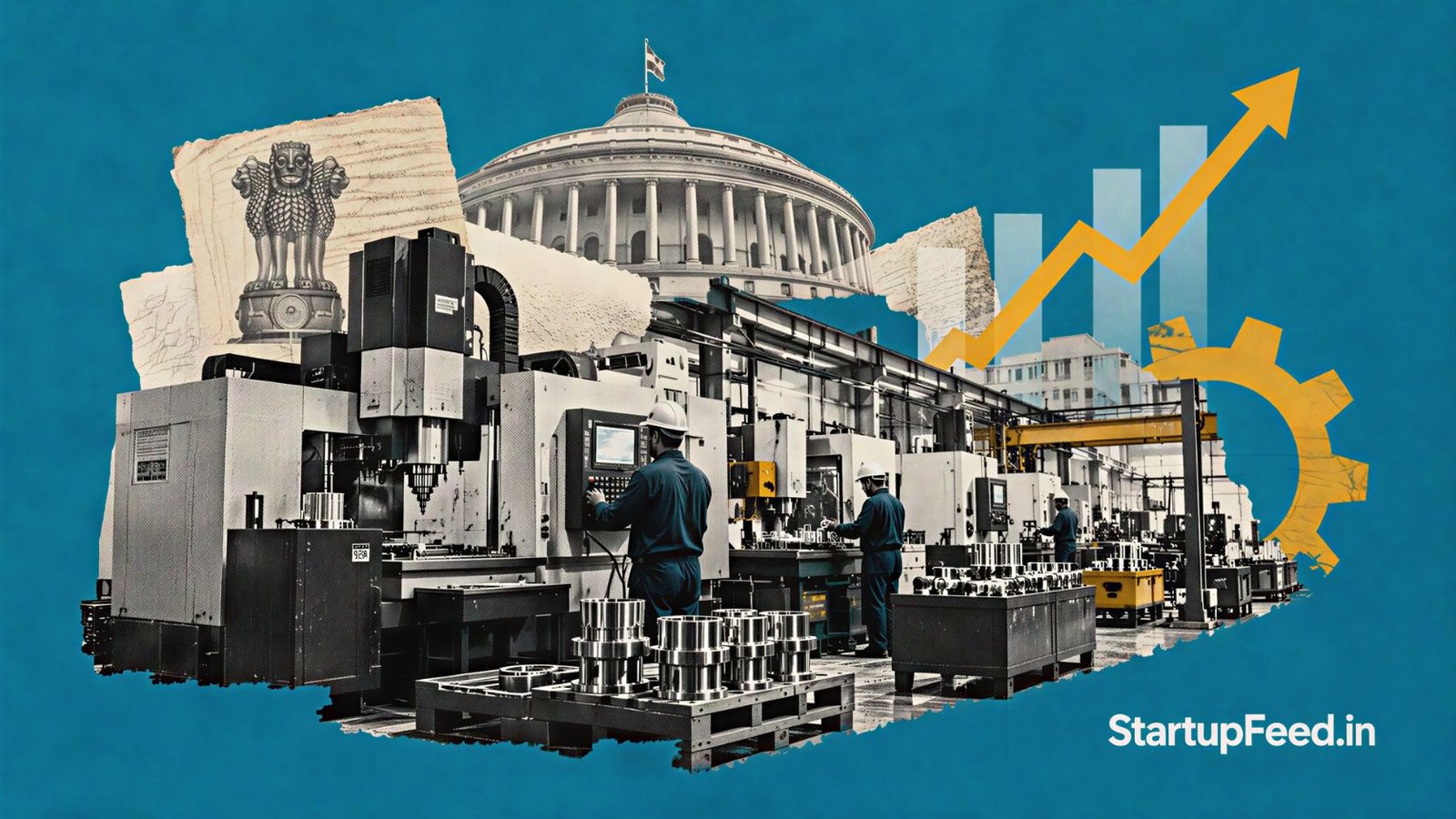
India’s Cabinet approved a Rs 10,000 crore commitment to the SME Growth Fund on October 6, 2026, to put equity straight into small and medium firms.
The money gives effect to a promise in the February budget. Most of it will go to small and medium manufacturers, and to industrial clusters in Tier-2 and Tier-3 cities, the government said.
This is equity, not a loan. The fund takes a stake and shares the risk. A firm can spend on new plant or new markets without a monthly repayment hanging over it.
What the SME Growth Fund actually is
The SME Growth Fund is a Rs 10,000 crore pool of government money that will buy equity in growing small and medium firms. It will be run as an Alternative Investment Fund (AIF), a pooled fund managed by professionals under SEBI’s rules.


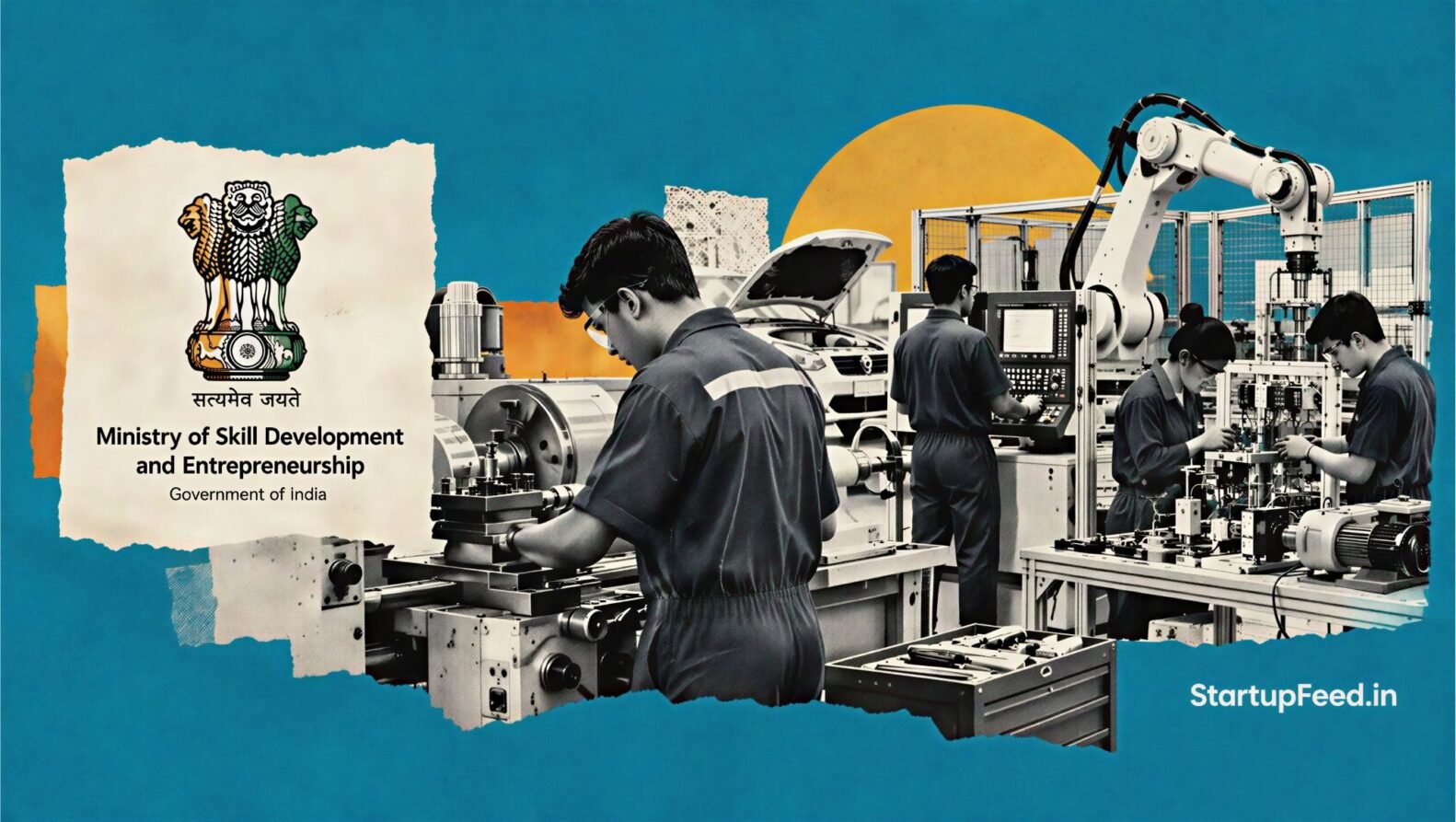
One detail sets it apart from the startup fund. The money will go directly into companies, rather than routing through other funds first.
The cash is meant for firms at a turning point. Think of a firm ready to add factory capacity, adopt new technology, sell abroad, join global supply chains or buy another business. Officials call it patient capital, money that can wait years for a return.
Finance Minister Nirmala Sitharaman first set out the fund in her budget speech in February.
“I propose to introduce a dedicated Rs 10,000 crore SME Growth Fund, to create future Champions, incentivising enterprises based on select criteria.”
Nirmala Sitharaman, Union Finance Minister. From the Union Budget 2026-27 speech, February 1, 2026.
The gap the fund is meant to fill
India already has government money for company equity, but it stops short of mid-sized firms.
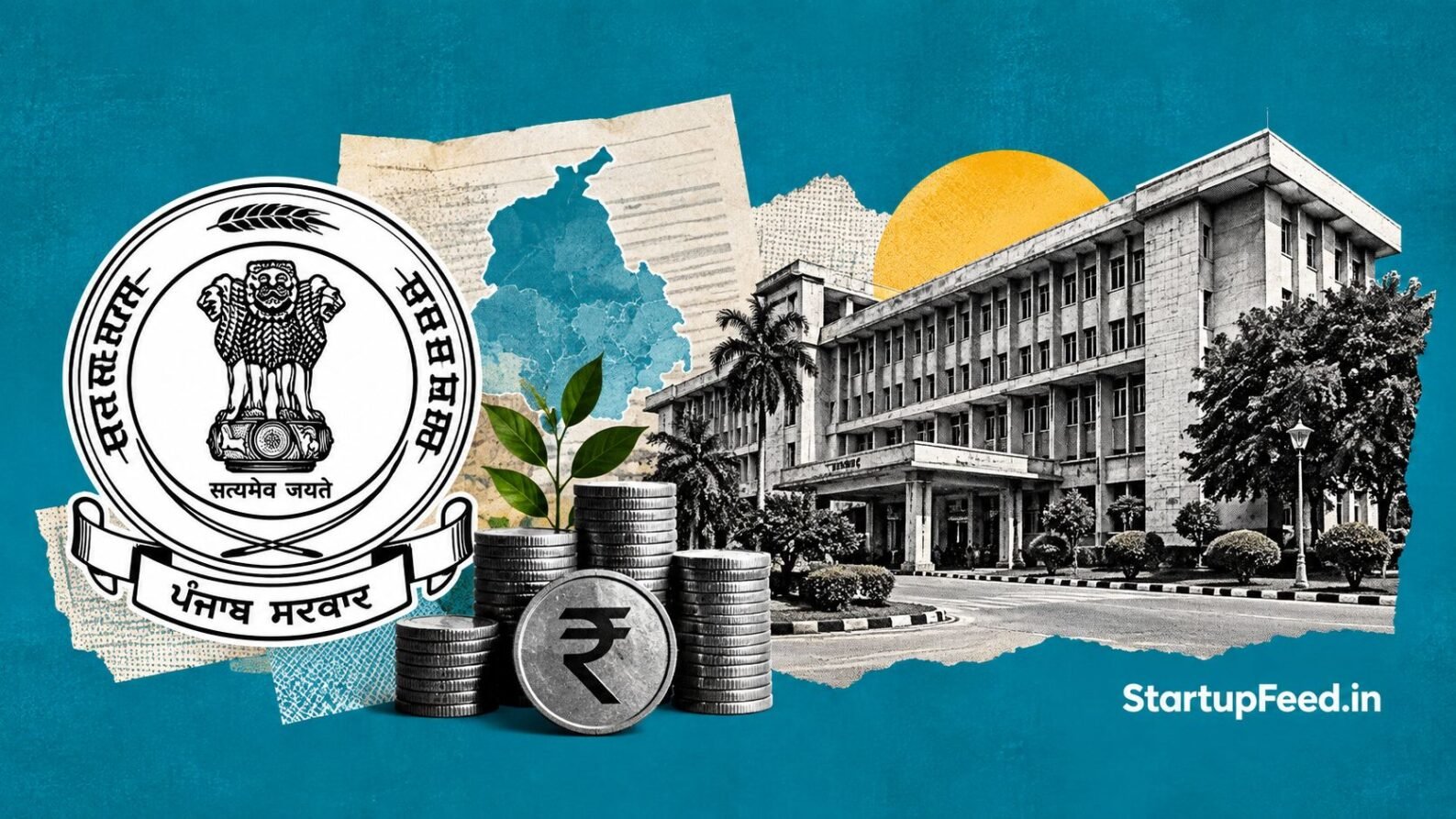
Startup money flows through the Fund of Funds for Startups. Micro and small units lean on the Self-Reliant India Fund. Banks handle the rest with loans.
That leaves a hole in the middle. A profitable firm can be too big for a startup fund and too large for a micro scheme. Yet it is still short of the equity it needs to scale.
Those growth-stage firms are what the SME Growth Fund targets, and most of the money is aimed at manufacturers.


| Fund | Who it backs | Government money |
|---|---|---|
| SME Growth Fund (new) | Growth-stage SMEs, mostly manufacturing | Rs 10,000 crore, direct equity |
| Fund of Funds for Startups | Startups, early to growth stage | Rs 10,000 crore, via other funds |
| Self-Reliant India Fund | Micro and small firms | Rs 2,000 crore top-up this budget |
| SIDBI equity infusion | MSME lending, through SIDBI | Rs 5,000 crore, to expand credit |
The earlier Fund of Funds for Startups shows what such a pool can pull in. Its Rs 10,000 crore helped back more than 1,370 startups and drew over Rs 25,500 crore of private money.
Part of a bigger MSME push
The fund is one leg of a three-part plan from the February budget: equity, liquidity and support. On equity, the budget also added Rs 2,000 crore to the Self-Reliant India Fund for the smallest firms.
On liquidity, the government has pushed the TReDS platform, where small firms discount their unpaid invoices for quick cash. More than Rs 7 lakh crore has moved through it so far. A credit-guarantee scheme backs that lending.
The scale is the reason for the attention. MSMEs are India’s second-largest employer after farming, and the sector makes up about 35% of the country’s manufacturing output.
What SME founders should do now
There is no application window yet. The Cabinet approved the money and the structure; it did not release eligibility rules, cheque sizes or a timeline. Those come in a separate scheme document.
Because the money will flow through an AIF, it will reach firms as an investment deal, not a grant you fill a form for. A professional manager will pick companies and negotiate terms, the way a venture fund does.
Several things are still open. The government has not said how big each investment will be, how long it has to deploy the money, or who will manage it. For comparison, its Rs 1,000 crore space-startup fund set cheques of Rs 10 crore to Rs 60 crore and a five-year window.
So the useful work now is preparation. Clean, audited books, a clear ownership structure and a credible plan to scale will matter when a manager starts screening firms. Manufacturers in Tier-2 and Tier-3 clusters, the stated focus, have the best case to make.
What this means for you: If you run a profitable small or medium manufacturer that is ready to scale, this is the first central equity fund built for your stage. Nothing is open yet, so clean up your books and governance now, and watch for the scheme rules the finance ministry still has to publish.
StartupFeed Insight
A Rs 10,000 crore commitment is not Rs 10,000 crore in the market. Speed is the real test. India’s startup Fund of Funds took years to deploy its money. This fund will live or die on two things: who manages it, and how fast the cheques move. Equity also means dilution, so some founders used to bank loans will balk at giving up a stake. Watch the fine print when it lands. My bet: the scheme rules and a first fund manager arrive by mid-2027, and until then this is intent, not cash.
By Avinash Mishra, Business Correspondent
Have a tip? Write to us at editorial@startupfeed.in.
Liked this story? Follow StartupFeed on Google so our reporting reaches you first.