
Published: [October 05, 2026]
StartupFeed Quick Take
- Indian AI cloud firms pay 18% IGST upfront on imported GPUs, blocking about Rs 180 crore on a Rs 1,000 crore cluster.
- Industry wants four to five-year demand commitments and a single lender exit clause to make AI compute financing bankable.
- The ask feeds a proposed National Frontier AI and Compute Fund of Rs 15,000 to 20,000 crore under the IndiaAI Mission.
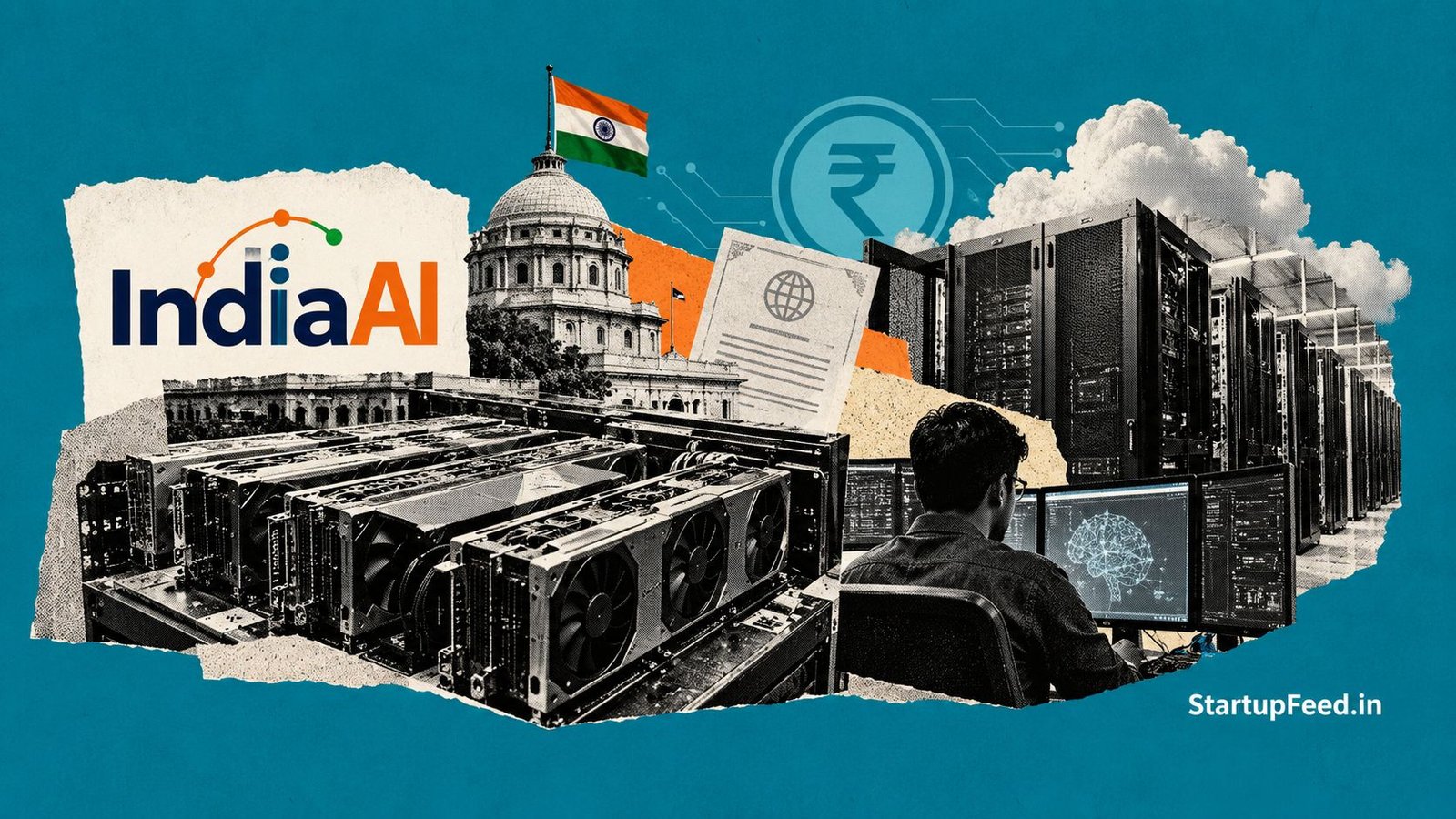
India’s AI compute financing problem is not a shortage of money. It is the shortage of long-term contracts that a bank will lend against, industry executives told the IndiaAI Mission at a closed-door meeting in Delhi.
The meeting, on financing the AI compute ecosystem, drew founders, investors and infrastructure firms. It fed into a proposal for a National Frontier AI and Compute Fund, with a possible government anchor of Rs 15,000 to 20,000 crore. That is separate from the Rs 10,372 crore IndiaAI Mission approved in March 2024.
The headline gap sits at the import counter. Indian AI cloud providers pay 18% IGST on imported GPUs before a single rupee of revenue comes in. On a Rs 1,000 crore GPU cluster, about Rs 180 crore stays locked at that stage.
Why AI compute financing is stuck
The core issue is risk, not capital. Lenders will fund a data centre when they can see steady, contracted cash flows. AI compute buyers sign short deals, so those flows look uncertain.
Sunil Gupta, chief executive of Yotta Data Services, framed the gap at the meeting. Yotta was empanelled under the IndiaAI Mission in February 2025 and has committed more than half of the mission’s total GPU computing capacity.
Gupta’s point is that bankable contracts come first, and the money follows.
“The fundamental challenge in financing AI compute is not the availability of capital, but the availability of bankable long-term contracts.”
Sunil Gupta, chief executive, Yotta Data Services. From The Economic Times, October 2026.
Gupta said that if the cash flows are de-risked and contracts are made bankable, capital for building AI compute in India will follow.
The industry wishlist for the government
The asks are specific. Firms want four to five-year demand commitments from government, so that research bodies, institutions and companies agree to buy compute at sustainable prices. That turns a guess about demand into a contract a bank can price.
They also want a single lender exit clause. This one rule would cover customs, foreign exchange, banking and secured lending, so a lender or lessor knows exactly how it recovers an asset if a deal fails. A GPU is costly and loses value fast, so exit terms decide whether the loan happens at all.
The third ask is tax. Piyush Somani, chairman and managing director of ESDS Software Solution, called GST deferral on imported GPUs a necessity. He said deferral would make the process cash-neutral for the exchequer while freeing up working capital for AI builders.
Somani said it would also bring domestic data centres closer to parity with units in special economic zones. ESDS is finalising a GPU deployment with planned spending of Rs 576 crore.


How the proposed fund fits in
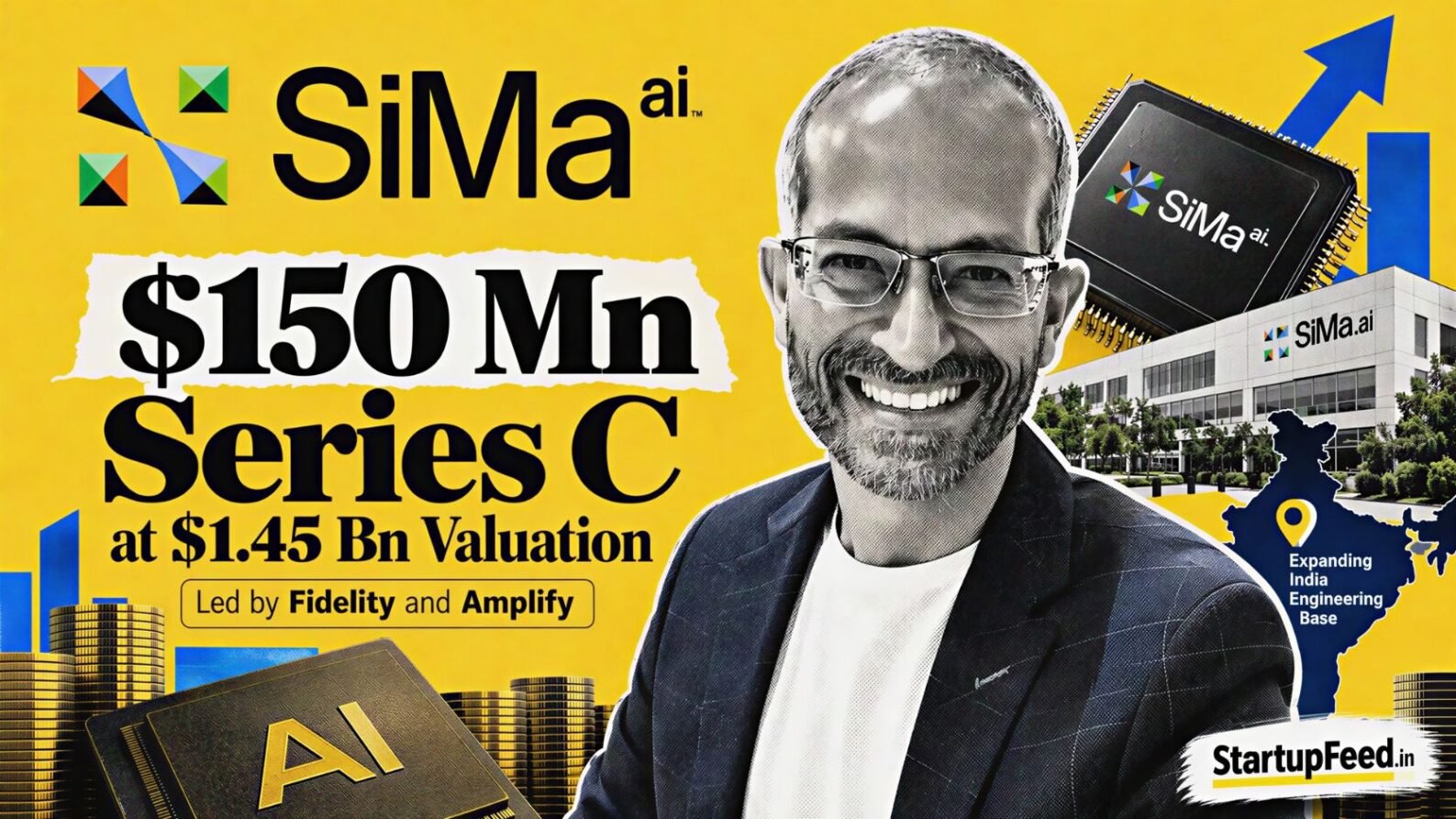
The demands point at a bigger vehicle. The proposed National Frontier AI and Compute Fund would supply long-duration risk capital to model builders, GPU clusters and specialised data centres.
The design matches the problem. A 12-year fund life, with a possible two-year extension, has been discussed. That is far longer than the five to seven-year horizon common in technology investing, and it suits assets that take years to pay back.
The fund would sit on top of the existing IndiaAI Mission. Shared compute capacity under the mission had crossed 45,000 GPUs by June 2026. By August 2026, 237 projects had used subsidised AI computing, covering 93.18 lakh GPU hours, according to government data.
The gap the fund targets is the next phase: not cheap GPU access, but patient equity for what gets built on top.
What this means for you: If you run an AI cloud, a data centre or a model startup that imports GPUs, these rules decide your working capital. Watch the next Union Budget for a GST deferral and demand-commitment terms before you lock import plans.
StartupFeed Insight
The first phase of the IndiaAI Mission bought GPUs. This meeting is about buying time, which is harder. A GST deferral costs the exchequer almost nothing in the long run, yet frees Rs 180 crore per Rs 1,000 crore cluster at the exact moment a builder is most stretched. That is the cheapest, fastest win on the table, and it needs no new fund to happen. The demand-commitment ask is the deeper one: it asks government to become an anchor tenant, not just a grant-giver. Expect a GST deferral signal for data-centre GPU imports in the February 2027 Union Budget, ahead of the larger fund, which will take longer to design.
By Saraswati Chaubey, Writer
Have a tip? Write to us at editorial@startupfeed.in.
Liked this story? Follow StartupFeed on Google so our reporting reaches you first.