
Quick Take
- Seed funding fell 37% to $698 Mn in the first nine months of 2026, down from $1.1 Bn a year earlier.
- Total tech funding still rose 7% to $10.3 Bn, so the money is going to fewer, later, bigger companies.
- First-time funded companies dropped 30% to 338. The first cheque is now the hardest cheque.
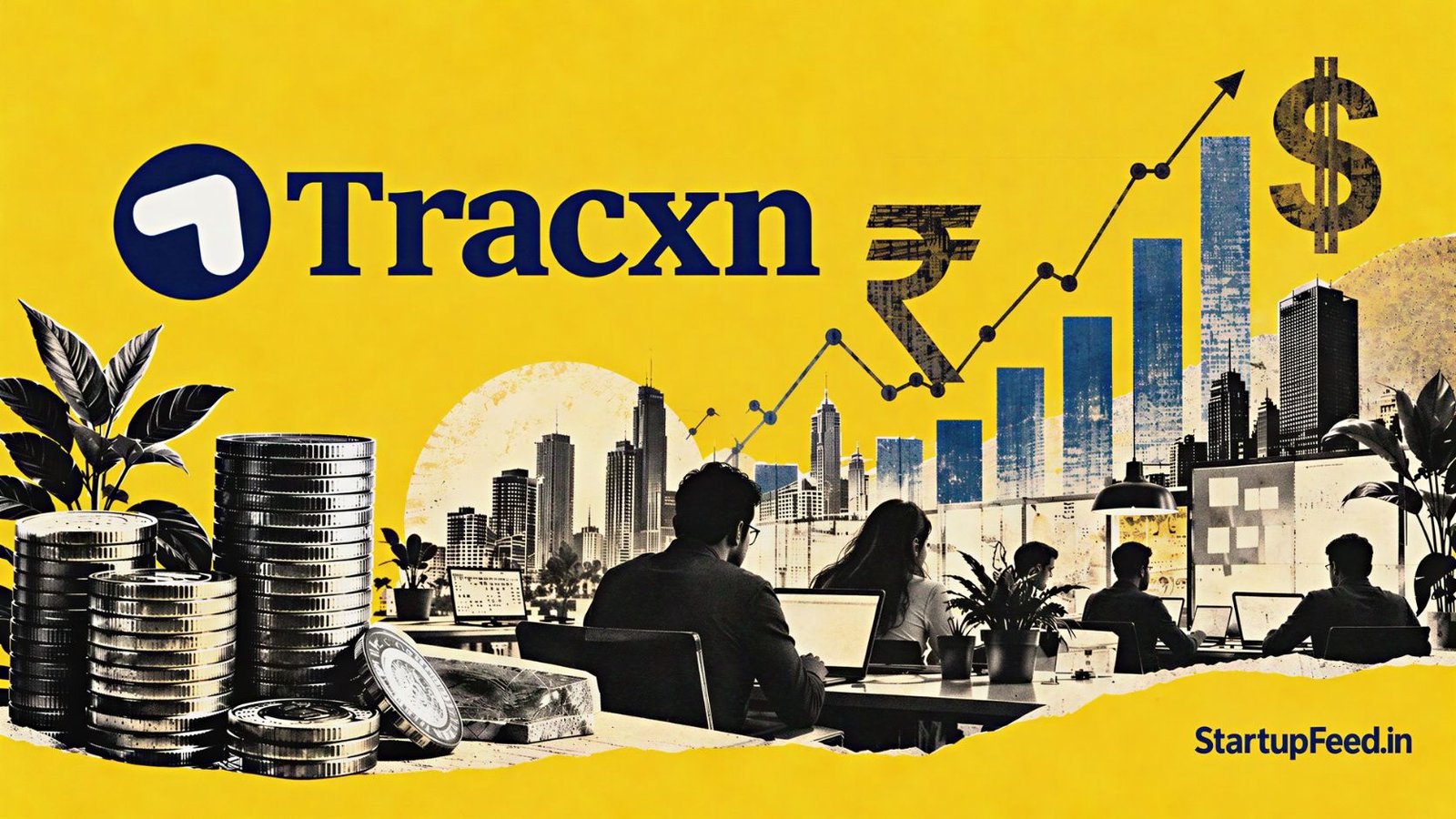
Seed funding for Indian tech startups fell 37% to $698 Mn in the first nine months of 2026, according to a report from data platform Tracxn. A year earlier the figure was $1.1 Bn.
The India Tech 9M 2026 Report covers equity funding from January 1 to September 21, 2026. Its headline number looks healthy. Total funding rose 7% to $10.3 Bn, up from $9.7 Bn in the same period last year.
That gap is the whole story. More money entered the ecosystem. It reached fewer companies. The pullback was sharpest at the top of the funnel, where new founders raise their first round.
Early-stage funding tells the opposite tale. It rose 27% to $4.2 Bn over the same nine months. Late-stage funding held roughly steady at $5.4 Bn, the Tracxn report shows.
So investors have not left young companies. They have moved one step up the ladder. They now want proof before they write a cheque.

How bad is the seed squeeze?
Seed funding fell 37% to $698 Mn, its sharpest contraction at any stage of the pipeline. The number of first-time funded companies fell 30% to 338 over the same period.
New additions to Tracxn’s Soonicorn Club, its list of likely future unicorns, dropped 53% to 76 from 162. That is the thinning pipeline in one number.
Series A and later rounds also fell. They declined 23% to 409. The squeeze is real, but it is worst at the very start.
The table below shows where the money moved.
| Stage | 9M 2026 | Change YoY |
|---|---|---|
| Seed | $698 Mn | Down 37% |
| Early-stage | $4.2 Bn | Up 27% |
| Late-stage | $5.4 Bn | Roughly flat |
| First-time funded firms | 338 | Down 30% |
| Series A+ rounds | 409 | Down 23% |
Where is the money going instead?
The money is going to fewer, larger, higher-conviction bets. India saw 18 rounds of $100 Mn or more in the nine months to September 21, 2026.
AI infrastructure was the single most-funded feed, taking $1.2 Bn. Enterprise infrastructure was the fastest-growing sector. Its funding jumped 436% to $1.6 Bn from $292 Mn a year earlier.
Enterprise applications grew 49% to $3.5 Bn. Fintech rose 13% to $2.2 Bn. The pattern is clear. Capital wants revenue, enterprise buyers and a working AI story.



India also stayed the fifth most-funded tech geography in the world. It ranked behind the United States, China, the United Kingdom and Singapore, and ahead of Germany and France.
What should an early founder do now?
An early founder should treat the seed round as an early-stage round in disguise. Investors backing young firms in 2026 want traction first, the Tracxn data suggests.
The report points to a preference for companies that show revenue, product-market fit or defensible technology. So the bar to clear is evidence, not a pitch deck.
There is one more shift worth reading. New unicorns in 2026 raised an average of $101 Mn before crossing $1 Bn, down from $205 Mn a year earlier. They reached the milestone in 4.9 years from Series A, against 6.6 years before.
Capital efficiency now gets rewarded. Founders who reach further on less money are exactly the profile investors are funding. That is the market to build for.
What this means for you: If you are raising your first round, lead with proof of traction and a tight burn plan, because in 2026 investors are paying for evidence, not potential.
StartupFeed Insight
The 37% seed drop is not a funding winter. It is a filter. Total capital rose to $10.3 Bn while first-time cheques fell 30%, which means the money is present but the gate is narrower. The real risk is two years out. Seed feeds Series A, and a 37% cut today shrinks the pool that reaches Series A in 2028. Founders who raise now will do it on traction, not story. Watch the Q4 2026 numbers due in January. If seed stays below $250 Mn for the quarter, the 2028 Series A market tightens, and the early-stage premium investors are paying today gets even steeper.
— Avinash Mishra, Business Correspondent
Frequently Asked Questions
Have a tip? Write to us at editorial@startupfeed.in.
Disclaimer: This article is for information only and is not investment advice. StartupFeed and its authors are not SEBI-registered investment advisors. Please speak to a SEBI-registered advisor before investing.
Liked this story? Follow StartupFeed on Google so our reporting reaches you first.