
Quick Take
- A 0.4% MDR returns on UPI merchant payments above Rs 2,000 from October 15, 2026.
- Brokerages peg the yearly pool at Rs 15,000 crore to Rs 27,000 crore by FY28.
- Banks are now raising payment tech budgets and rebuilding UPI product plans.
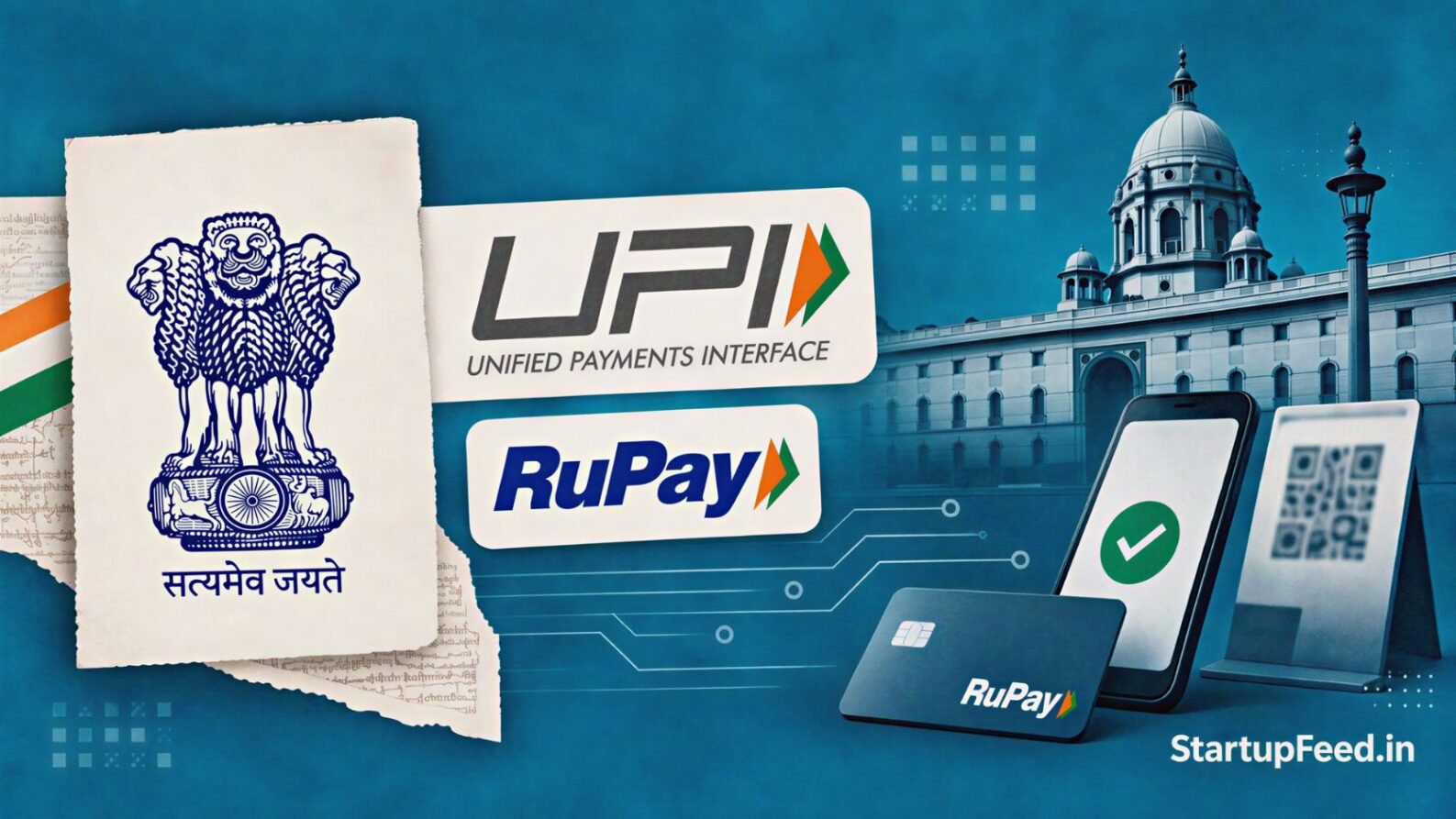
Banks in India are redrawing their payment technology plans. The reason is money. A merchant discount rate on UPI returns from October 15, 2026.
The new fee is 0.4%. It applies to person-to-merchant payments above Rs 2,000. Payments up to Rs 2,000 stay free. So do all person-to-person transfers.
This is the first UPI merchant fee since January 2020. The National Payments Corporation of India set the rules on September 15, 2026.
The fee is small. The pool it creates is not. Bernstein estimates the yearly pool could reach about Rs 27,000 crore by FY28. Goldman Sachs puts it near Rs 20,600 crore.
That new revenue is changing how banks spend. The Economic Times reported on September 23, 2026 that banks are reassessing UPI budgets and product road maps.

“Following the MDR announcement, banks have begun reassessing their UPI product road maps and the budgets allocated to them,” the digital head of a large private sector bank told The Economic Times.
What changes from October 15, 2026?
A 0.4% MDR starts on eligible UPI merchant payments above Rs 2,000. The fee is capped at Rs 300 per transaction. That cap applies at Rs 75,000 and above.
Merchants cannot pass this fee to customers. Consumers keep paying the listed price. That rule is set by the National Payments Corporation of India.
Small vendors are also protected. Merchants under the P2PM class stay at zero MDR. This covers those receiving up to Rs 1 lakh a month through UPI QR codes.
Capital market payments get a lower rate. Mutual funds, brokers and dealers pay 0.02%, capped at Rs 300. The government says over 95% of merchant payments stay free.
How big is the MDR revenue pool?
The pool is large. Bernstein models about Rs 27,000 crore a year by FY28. Its split names issuing banks as the biggest gainer.
Bernstein sees issuing banks taking about Rs 10,800 crore. Consumer UPI apps could take about Rs 5,400 crore. Payer PSP banks could take about Rs 2,700 crore.


Merchant-side apps could earn Rs 5,400 crore to Rs 6,800 crore. Acquiring banks sit lowest, at Rs 1,400 crore to Rs 2,700 crore. Bilateral deals will decide the merchant-side share.
Other brokers are more careful. Citi estimates Rs 16,000 crore to Rs 17,000 crore a year. Goldman Sachs estimates Rs 20,600 crore.
The reason for the gap is the exemptions. Payments below Rs 2,000 are 33% of merchant value. Bernstein says only about 40% of value faces the full 0.4% fee.
| Who gets the money (Bernstein, FY28) | Estimated yearly share |
|---|---|
| Issuing banks | Rs 10,800 Cr |
| Consumer UPI apps | Rs 5,400 Cr |
| Merchant-side apps | Rs 5,400-6,800 Cr |
| Payer PSP banks | Rs 2,700 Cr |
| Acquiring banks | Rs 1,400-2,700 Cr |
Why are banks changing their UPI plans?
Banks now have a reason to build. For six years UPI earned them little. Zero MDR made new payment tools hard to fund.
The fee changes that math. The Economic Times reported that banks plan to build customer service tools and business collection tools. They also plan to fund agent-led integrations.
Payment firms gain too. The new revenue lets them build a product, test it with acquiring banks, then scale. Under zero MDR that path stayed stuck in small pilots.
Some banks had cut UPI to a low priority. Executives told The Economic Times that these teams often received low budgets. The fee is pulling UPI back up the list.
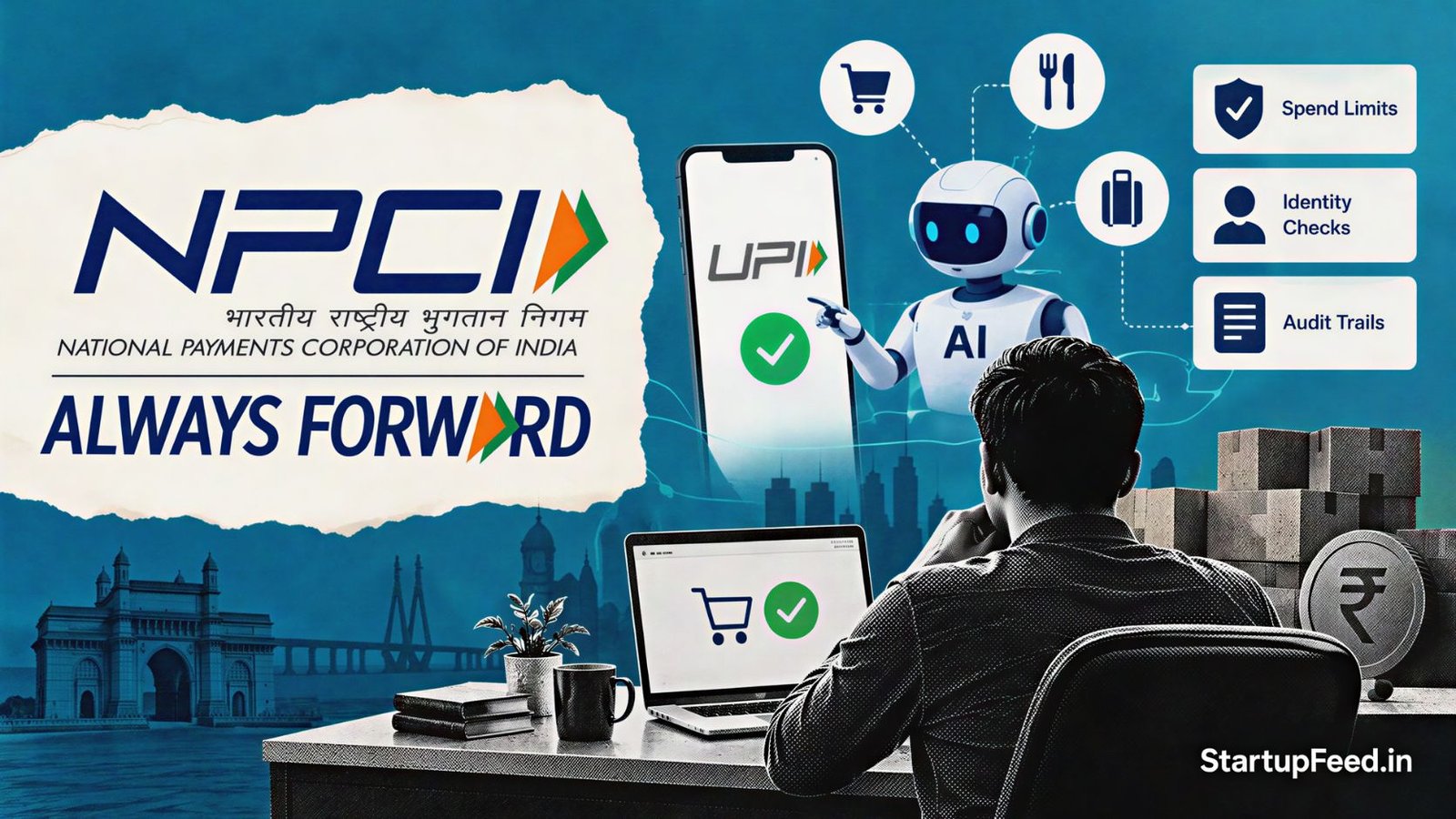
The push covers three areas. Agentic payments, where software acts for the user. Delegated payments, where one account funds another. And stronger fraud controls.
Which banks and startups gain most?
State Bank of India is the largest issuer. Bank of Baroda, HDFC Bank and Union Bank of India follow. Then come Punjab National Bank, Canara Bank and Axis Bank.
Citi flags Yes Bank as a standout. It holds an outsized share of UPI beneficiary volumes. The extra income could add 6% to 12% to some banks’ profit before tax.
Payment startups are watching closely. Paytm, PhonePe and Pine Labs stand to gain from higher transaction-linked income. The split among them will rest on bilateral deals.
The order book here is policy, not sales. Banks did not win this revenue. A rule handed it to them.
What this means for you: If you run a fintech or a merchant app, model your exposure to the Rs 2,000 threshold now, because only high-value payments carry the fee.
StartupFeed Insight
The headline number is Rs 27,000 crore, but the real story is where it does not go. Acquiring banks sit at the bottom of Bernstein’s split, at Rs 1,400 crore to Rs 2,700 crore. Issuing banks take four times that. This tilts power toward the banks that hold the payer, not the ones that sign up the shop. For merchant-facing startups like Pine Labs and BharatPe, that is a warning. Expect a scramble for issuing-side tie-ups before October 15, 2026. The firms that lock bilateral deals early will keep the larger slice.
— Avinash Mishra, Business Correspondent
Frequently Asked Questions
Have a tip? Write to us at editorial@startupfeed.in.
Liked this story? Follow StartupFeed on Google so our reporting reaches you first.