
Quick Take
- SEBI in principle agreed to settle NSE colocation and dark fibre cases for Rs 1,491.21 Cr ($156 Mn).
- NSE will pay a balance of Rs 714.74 Cr in cash, after adjusting Rs 776.47 Cr already deposited.
- The settlement clears the last big overhang before NSE’s estimated Rs 30,000 Cr IPO, eyed for late 2026.
In This Article
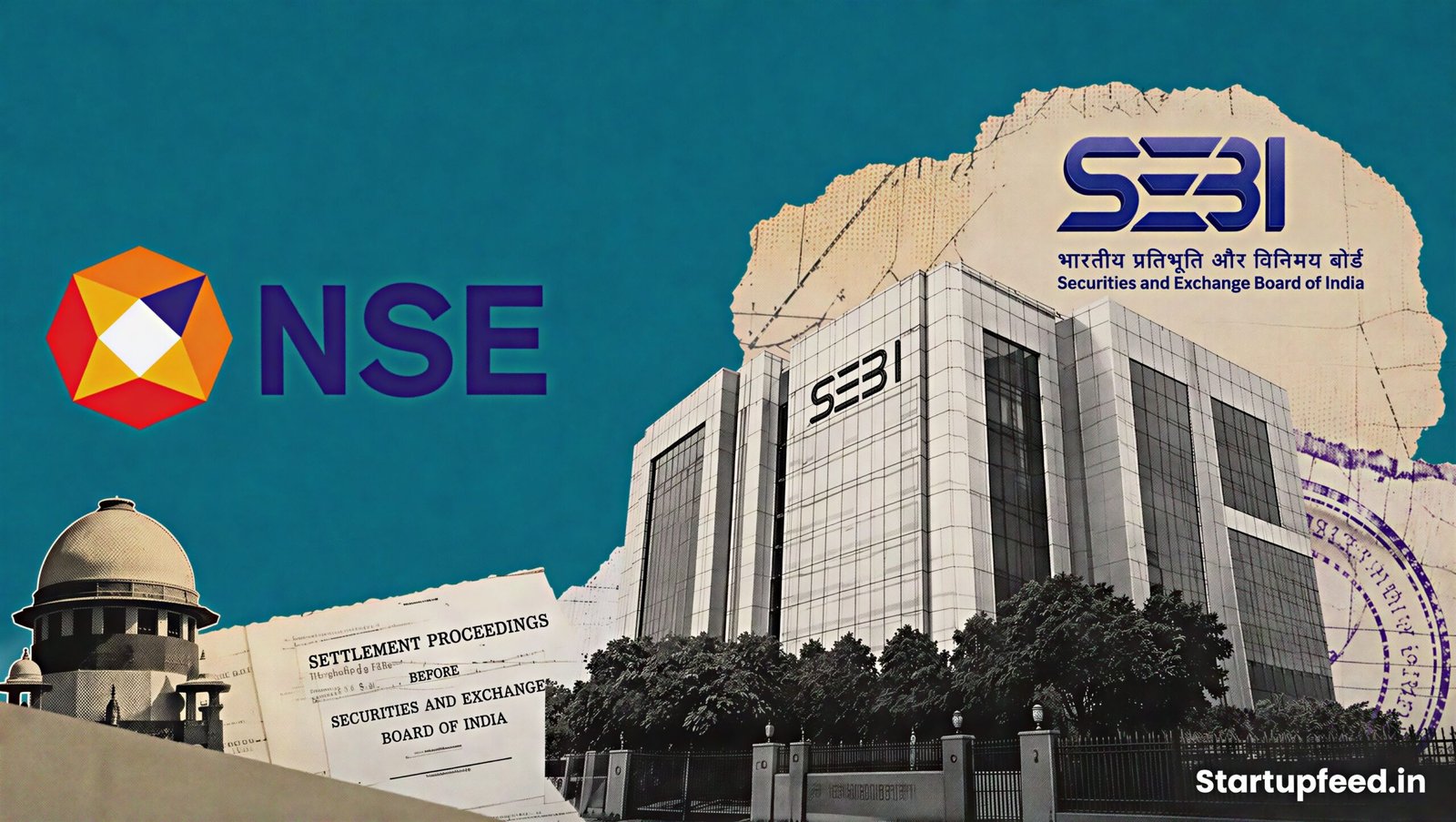
In a long-awaited move, SEBI clears NSE settlement in the colocation and dark fibre cases for Rs 1,491.21 Cr ($156 Mn), the largest settlement any single entity has reached with the markets regulator. The email confirming the terms was dated July 30, 2026.
The Securities and Exchange Board of India (SEBI) agreed in principle to the terms and demanded Rs 714.74 Cr in cash, over and above the Rs 776.47 Cr the National Stock Exchange (NSE) had already deposited. NSE’s board approved the payment the same day. The move ends a legal overhang that had stalled the exchange’s public listing for nearly a decade. USD figures use the July 31, 2026 rate of Rs 95.69 to a dollar.
StartupFeed Insight
The real signal here is not the headline number, it is the cash figure. NSE had already provided for the full Rs 1,491.21 Cr in its FY26 accounts, so the settlement dents no future profit. The actual outflow is just Rs 714.74 Cr, a rounding error for an exchange that posted Rs 3,120 Cr in quarterly profit. Anyone tracking the IPO calendar should watch SEBI’s DRHP observations next, likely by mid-August 2026. With the last legal knot untied, StartupFeed expects NSE to open its price band and target a listing window before December 2026, subject to market conditions. By Avinash.
SEBI Clears NSE Settlement: The Numbers
The SEBI clears NSE settlement decision resolves two cases for a combined Rs 1,491.21 Cr, the biggest ever agreed with the regulator. NSE first filed two settlement applications on June 20, 2025, for a cumulative Rs 1,387.39 Cr, then revised the amount upward on March 13, 2026. The final split is Rs 1,223.56 Cr for the colocation matter and Rs 267.65 Cr for the dark fibre matter, according to NSE’s exchange filing.
| Metric | Detail | Notes |
|---|---|---|
| Total Settlement | Rs 1,491.21 Cr ($156 Mn) | Largest by any single entity with SEBI |
| Cash Outflow Now | Rs 714.74 Cr | Balance after adjustment |
| Already Deposited | Rs 776.47 Cr | Adjusted against the total |
| Colocation Component | Rs 1,223.56 Cr | Tick-by-tick access matter |
| Dark Fibre Component | Rs 267.65 Cr | Preferential connectivity matter |
| Board Approval Date | July 30, 2026 | Payment cleared same day |
The most striking detail is the timing. NSE had already booked the full Rs 1,491.21 Cr as a provision in the financial year ended March 31, 2026, so the settlement carries no fresh hit to future earnings.
About NSE
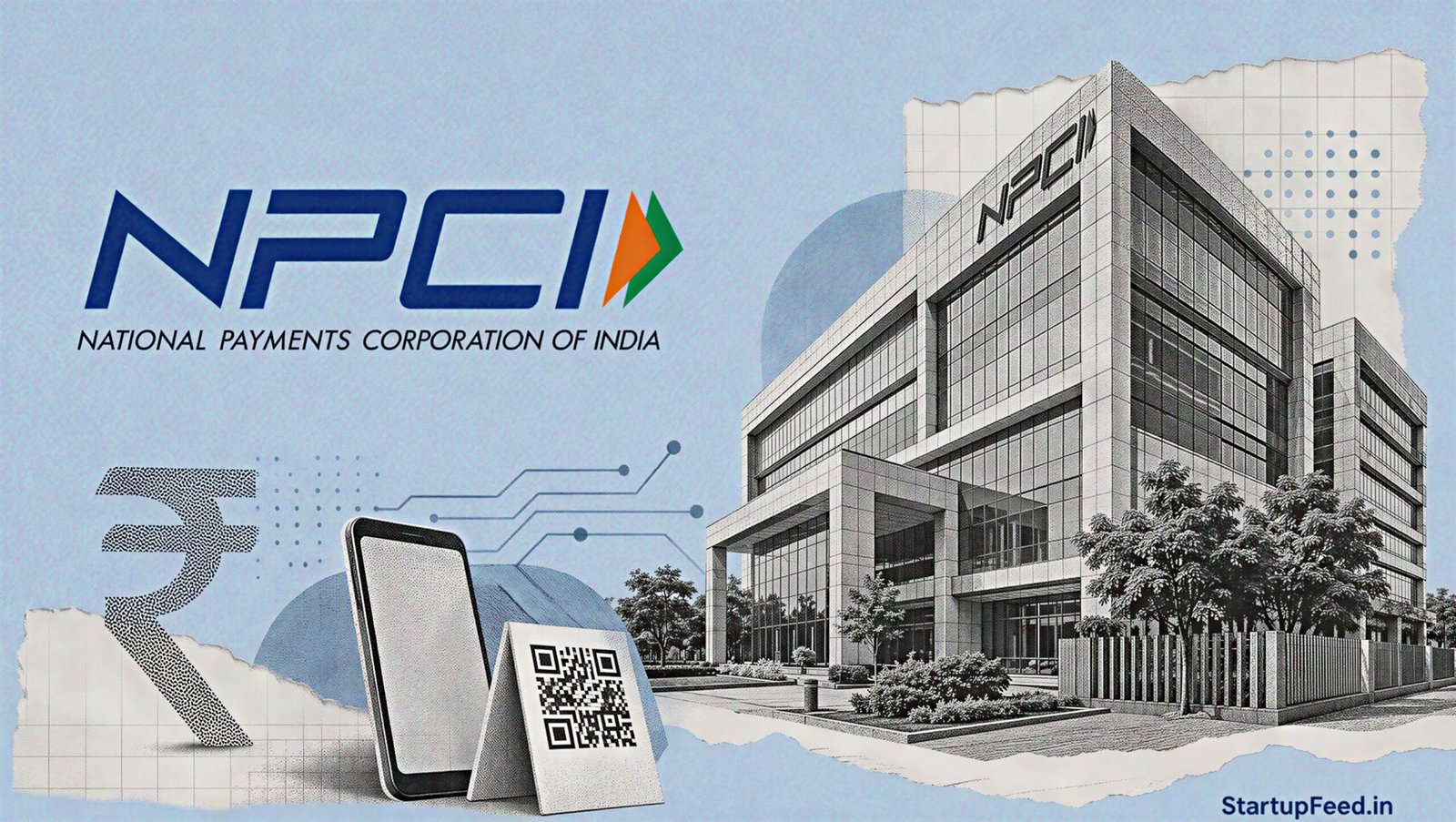
The National Stock Exchange of India (NSE) is the country’s largest stock exchange by trading volume, founded in 1992 and headquartered in Mumbai. It pioneered fully electronic trading in India and now handles the bulk of the nation’s equity and derivatives turnover. NSE has no single promoter. Its largest shareholders include LIC, SBI and other public-sector institutions, per its draft IPO papers filed with SEBI.
What does the settlement mean for the IPO?
The settlement removes the last major regulatory hurdle blocking NSE’s initial public offering (IPO). For years, the pending colocation and dark fibre cases kept SEBI from clearing the exchange’s listing, and the resolution now hands the exchange a clean slate ahead of its market debut.
“The Board of Directors, in its meeting held on July 30, 2026, has approved the payment of the said amount of Rs 714.74 crore pursuant to the terms of the settlement,” NSE said in its exchange filing.
NSE filed its draft red herring prospectus (DRHP), the document filed with SEBI before an IPO, on June 17, 2026. The offer is entirely an offer for sale (OFS), meaning existing shareholders sell stock and the exchange raises no fresh capital. Market watchers now expect SEBI observations on the DRHP by mid-August 2026, per reports. You can track official filings on the NSE corporate website and settlement records on the SEBI orders portal.
What were the colocation and dark fibre cases?
The colocation and dark fibre cases were long-running probes into whether certain brokers got unfair, faster access to NSE’s trading systems. In the colocation matter, regulators alleged that some trading members received early connectivity through the exchange’s tick-by-tick architecture, giving them a speed edge over rivals.
In the dark fibre matter, SEBI raised concerns that certain members were provided preferential point-to-point connectivity through an unauthorised service provider, allegedly handing them a latency advantage. A SEBI Whole-Time Member had, in April 2019, ordered NSE to disgorge funds in both matters. Those orders were later set aside by the Securities Appellate Tribunal (SAT), after which SEBI appealed to the Supreme Court, per the exchange’s DRHP. The settlement now resolves these disputes through the consent route, without any admission of guilt. Full settlement rules sit on the SEBI Settlement Proceedings Regulations page.
NSE IPO Outlook and Market Position
NSE’s IPO is estimated at around Rs 30,000 Cr, which would make it the largest public issue in Indian history, ahead of Hyundai Motor India’s Rs 27,859 Cr record. The exchange reported a consolidated net profit of Rs 3,120 Cr in Q1 FY27 (April to June 2026), up 7% year-on-year from Rs 2,924 Cr, per its results. Revenue from operations rose to Rs 4,560 Cr.
| Exchange | Listing Status | Key Point |
|---|---|---|
| NSE | IPO pending, DRHP filed | India’s largest bourse by volume |
| BSE | Listed (on NSE) | Older, smaller rival exchange |
One quirk stands out: because SEBI rules bar an exchange from listing on its own platform, India’s dominant bourse will make its market debut on rival BSE. What sets NSE apart is scale, as most Indian equity trades still route through its systems.
What’s Next
The immediate milestone is SEBI’s observations on the DRHP, expected around mid-August 2026. After that, NSE can file its updated prospectus, set a price band and open the issue, with a listing targeted before December 2026. International roadshows are already underway. Will retail investors pay a premium for a monopoly whose profit dipped last year?


Frequently Asked Questions
Disclaimer: This article is for informational purposes only and does not constitute investment advice. StartupFeed and its authors are not SEBI-registered investment advisors. The analysis above is based on publicly available information and should not be the sole basis for any investment decision. Please consult a SEBI-registered financial advisor before making investment decisions.
Have a tip? Write to us at editorial@startupfeed.in.
Liked this story? Follow StartupFeed on Google so our reporting reaches you first.