
Quick Take
- Ola Electric launched 3 battery storage products on August 15, 2026: Ola Shakti, Shakti Rack and Mahashakti.
- The company cites a market needing more than 400 GWh of storage by 2032.
- Its Gigafactory hits 6 GWh capacity by September, enough to supply cars and outside buyers.
Ola Electric moved beyond scooters on August 15, 2026. The company launched three battery storage products under its Ola Energy line. The move takes it into India’s battery energy storage market for the first time as a full range.
The three products are Ola Shakti, Shakti Rack and Mahashakti. Each targets a different buyer. Ola Shakti is for homes and small businesses. Shakti Rack is built for commercial use. Mahashakti is the utility-scale product, meant for grids, factories and data centres.
Ola Electric described the plan in its shareholders’ letter. Battery energy storage systems, or BESS, store power for later use. They matter most as India adds more solar and wind, which do not run all day.
What did Ola Electric launch?
Ola Electric launched a three-tier battery storage range on August 15, 2026. It runs from a home unit to a grid-scale system. This lets the company sell into every layer of the storage market from one cell platform.
Ola Shakti came first, back in October 2025. It is a home system built on Ola’s own 4680 Bharat Cell. It sells from Rs 29,999 for the smallest pack, with larger variants going up to Rs 1,59,999.


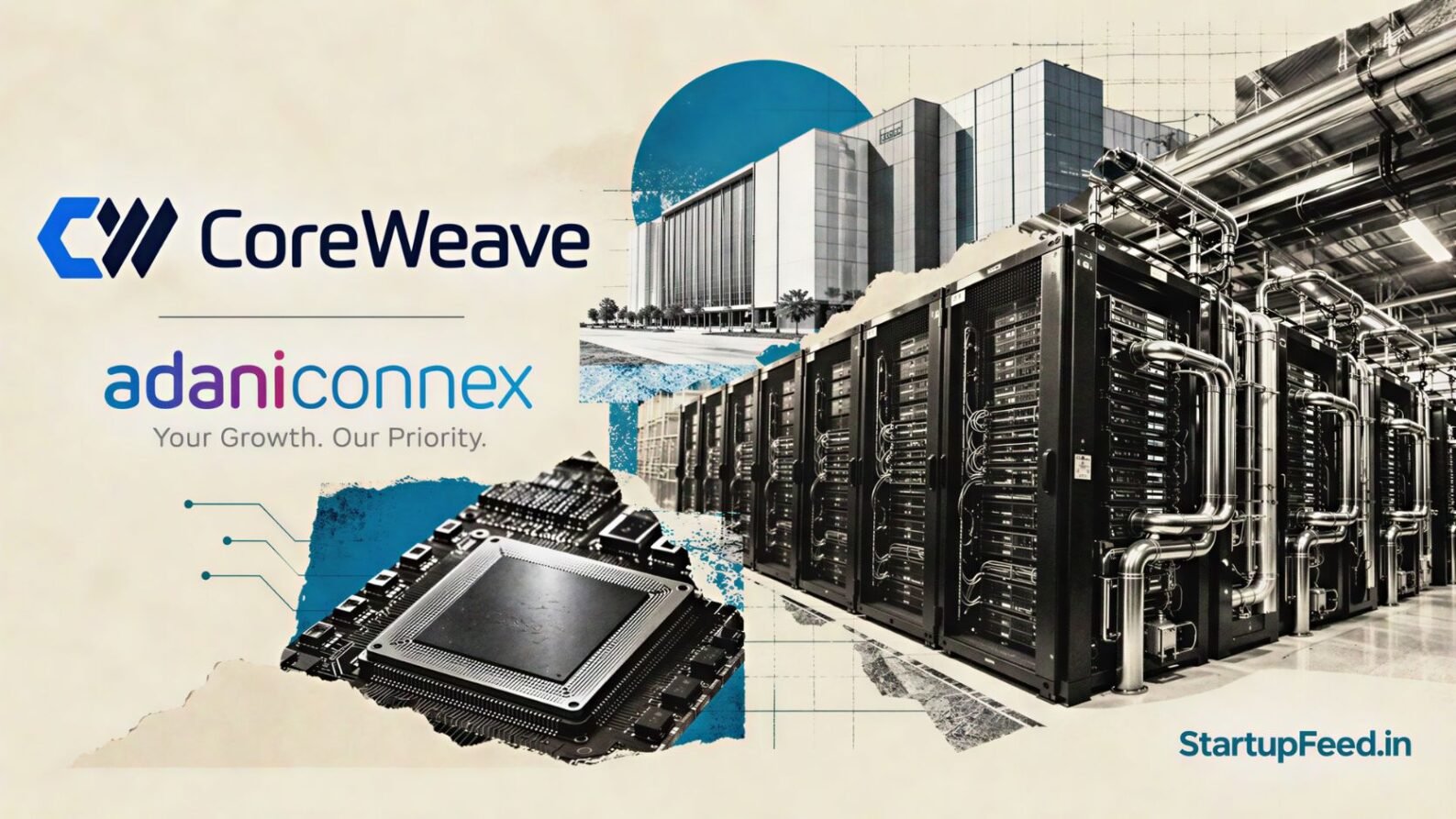
Shakti Rack is the new commercial product. Ola Electric aims it at shops, offices and small industry. The company had not published a Shakti Rack price at the time of writing.
Mahashakti is the utility-scale system. Ola Electric built it in India for renewable energy, industrial power, grid infrastructure and data centres. Utility BESS is usually priced per project, not per unit, so no list price applies.
Why is Ola Electric moving into storage?
Ola Electric is moving into storage to use its battery cells beyond vehicles. The company makes its own 4680 cell. Selling that cell into storage spreads the cost of the factory across more products.
The scale target is large. Ola Electric said its Gigafactory will run at 6 GWh capacity by September 2026. That is enough to supply both its electric vehicle business and outside customers.
The market case rests on one number. Ola Electric cited estimates that India will need more than 400 GWh of energy storage by 2032. That demand comes from the country’s push into solar and wind power.
There is a business reason too. Ola Electric’s scooter sales have fallen hard. Storage gives the company a second market that does not depend on the two-wheeler price war.
Who is buying Ola Mahashakti?
Ola Electric has one large anchor customer for Mahashakti so far. The company signed a memorandum of understanding with Axis Energy. The deal covers potential deployment of up to 20 GWh of storage by 2032.



The agreement is not a confirmed order. It sets out the scale the two firms could reach together. Ola Electric said supply could ramp to 5 GWh a year from 2028.
Axis Energy brings the projects. It has grid approvals for renewable energy plants totalling more than 3,750 MW. Mahashakti systems would sit alongside those plants to store their output.
Ola Electric called it one of the largest announced domestic deployments of home-grown battery storage. The two companies did not share financial terms.
How does storage compare to Ola’s scooter business?
Storage is a bet on stability, not on volume. Ola Electric’s scooter sales dropped sharply through 2025. Its market share fell to 17.35% in July 2025, down from 38.83% a year earlier.
The financials show the strain. Ola Electric posted revenue of Rs 828 crore in Q1 FY26. That was down about 50% year-on-year from Rs 1,644 crore.
The quarter-on-quarter picture read better. Revenue rose about 35.5% from Rs 611 crore in Q4 FY25. The net loss narrowed to Rs 428 crore from Rs 870 crore over the same quarter.
Margins have improved more recently. Ola Electric reported a gross margin of 38.5% in Q4 FY26, up from 13.7% a year earlier. Operating cash flow turned positive at Rs 91 crore in the same quarter.
Here is how the three storage products line up by buyer and use.
| Product | Segment | Main use | Price |
|---|---|---|---|
| Ola Shakti | Residential and small business | Home and farm backup power | From Rs 29,999 |
| Shakti Rack | Commercial | Shops, offices, small industry | Not disclosed |
| Mahashakti | Utility-scale | Grid, industry, data centres | Per project |
What this means for you: If you run a small business or a farm, a home BESS is now a real buy from a listed Indian maker, starting at Rs 29,999.
StartupFeed Insight
The storage launch is Ola Electric’s clearest admission that scooters alone will not carry the company. Batteries are the real asset here, not vehicles. Every cell Ola sells into a home unit or a grid project spreads its factory cost and lifts margin, which is exactly where the company has bled. The Axis Energy deal is the signal to watch, because a 20 GWh pipeline dwarfs anything the scooter book offers. The catch is that it is an MoU, not an order. Watch the December quarter for the first booked Mahashakti revenue. If none appears by Q3 FY27, the storage story is still a slide, not a business.
— Harshvardhan Kothari, Technology and Policy Correspondent
Frequently Asked Questions
Have a tip? Write to us at editorial@startupfeed.in.
Liked this story? Follow StartupFeed on Google so our reporting reaches you first.