
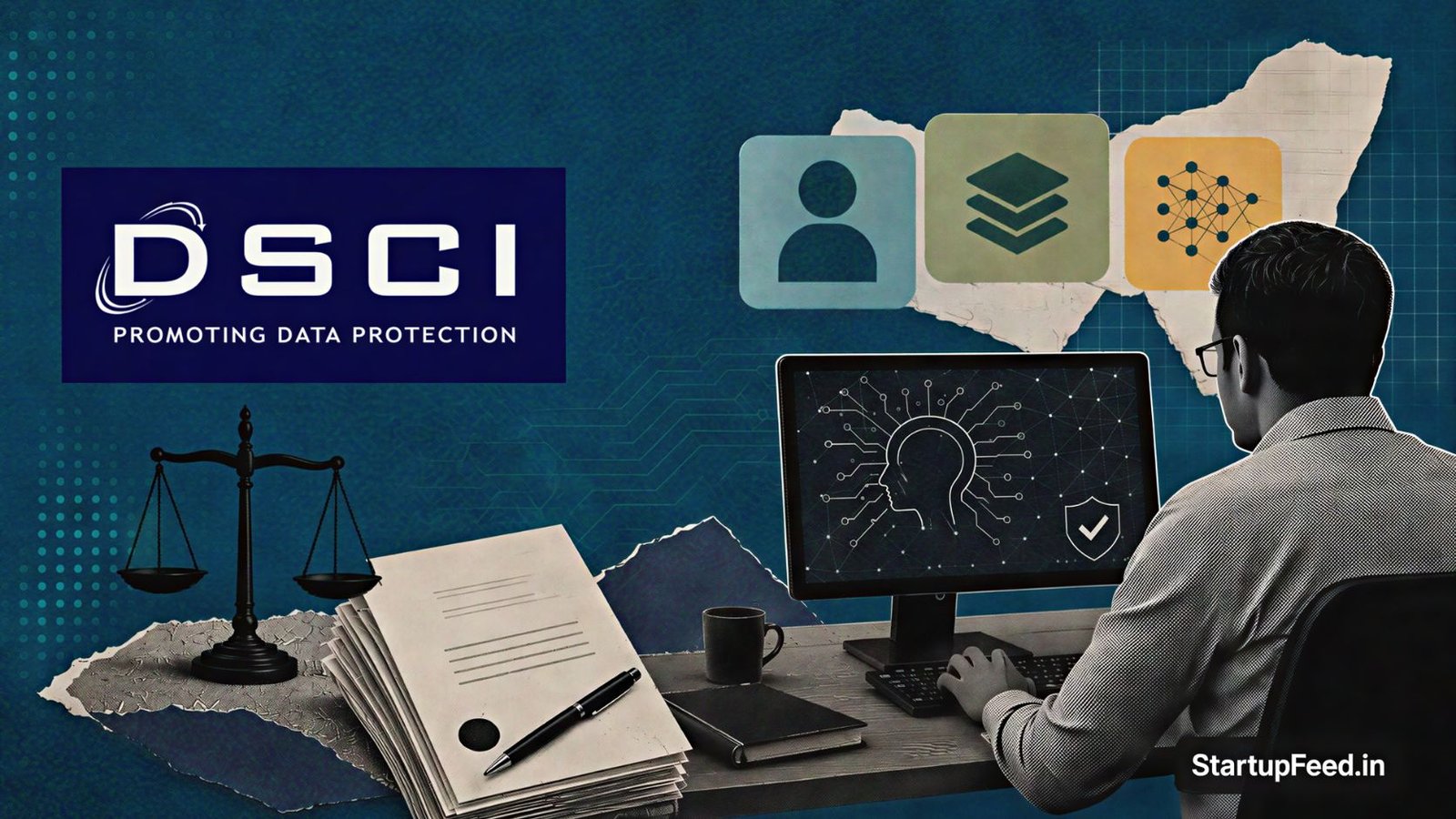
The Data Security Council of India (DSCI) is building a framework to decide who is liable when an AI system causes harm. The question matters more as AI agents move from pilots into real business use. DSCI is the data protection industry body set up by Nasscom.
A first draft is expected in the third week of September 2026, DSCI chief executive Vinayak Godse said. It will cover three parts of what he calls the AI value chain.
The three parts are the organisations that use AI agents, the enterprises that build agents into their products, and the providers of AI tools and frameworks. Each layer touches a different point where something can go wrong.
“AI is a value chain, and distribution of liabilities is a great area of exploration,” Godse said. His point is simple. When AI is built by one firm, sold by a second and deployed by a third, no single party clearly owns the fault.
Godse said the liability question could also depend on the choices a company makes. That includes how a firm builds an AI system, whether it buys or builds the model, and how it deploys the agent. In his words, conditions matter in working out how liability is shared.

Liability clauses are already showing up in commercial contracts. Vishal Gondal, founder of fitness technology company GOQii, said most enterprise contracts now start with a blanket AI indemnity clause. A year ago, almost none did.
The strongest demand comes from banking, insurance, healthcare, government and public sector customers, Gondal said. These are the buyers with the most to lose if an AI decision goes wrong.
A company accepts responsibility for its own code, guardrails and an AI agent doing something. But the question of a wider AI failure is harder to place, Gondal said. He described it as a governance failure, not a product defect.
DSCI says the liability question is sharpest in financial services. There, AI is moving from helping staff to running systems that can start actions and transactions on their own.
What this means for you: If you build, resell or deploy AI agents in India, read your next enterprise contract’s indemnity clause closely, because the DSCI draft in September may reset who carries the risk.
Have a tip? Write to us at editorial@startupfeed.in.
Liked this story? Follow StartupFeed on Google so our reporting reaches you first.