
Quick Take
- Korean LED major Seoul Semiconductor is assessing an India assembly plant under Semicon 2.0.
- Talks span Tamil Nadu, Karnataka and Gujarat, per people aware of the discussions.
- Semicon 2.0 offers 25 to 35 percent capex support for packaging units.
In This Article
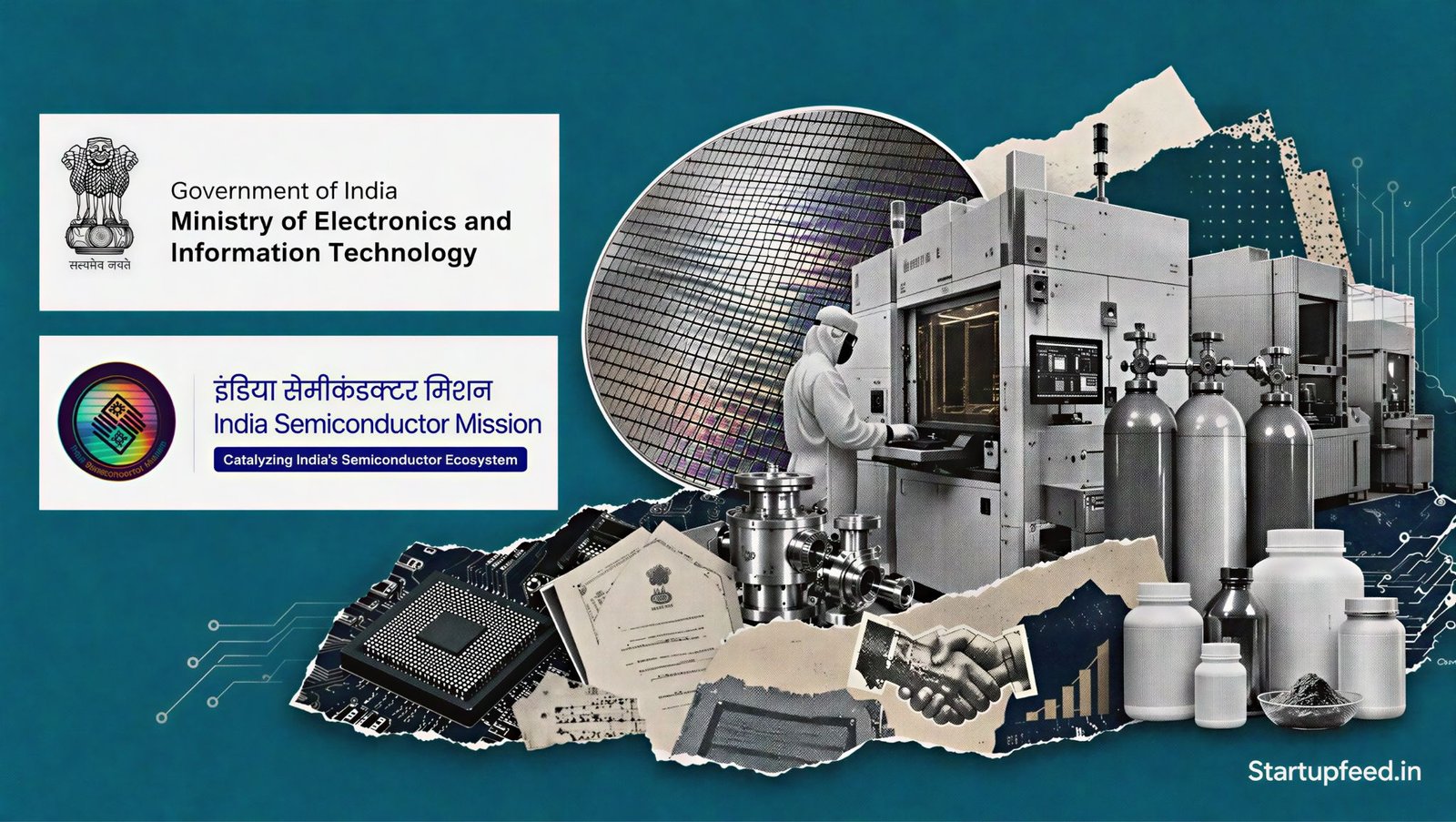
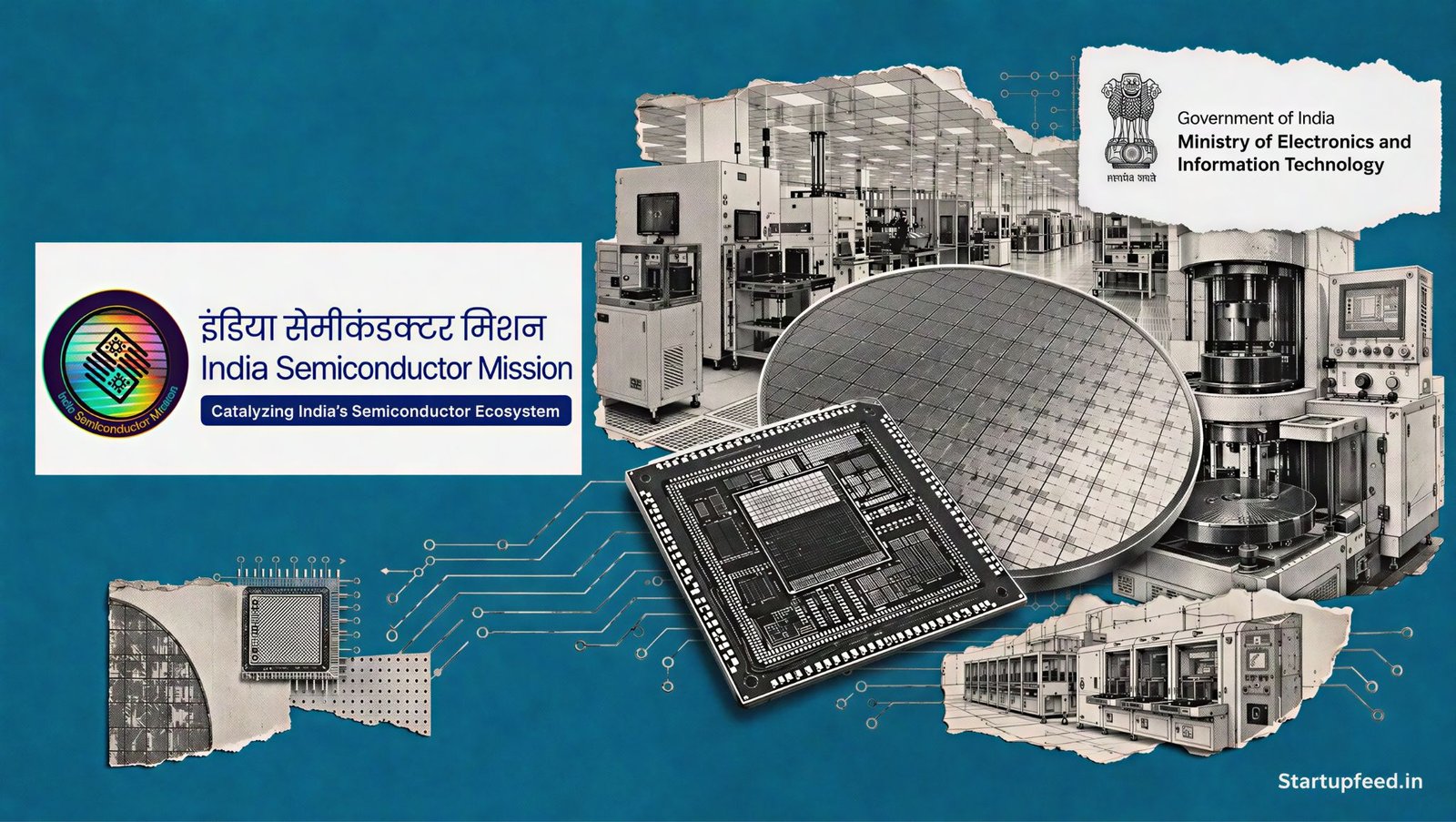
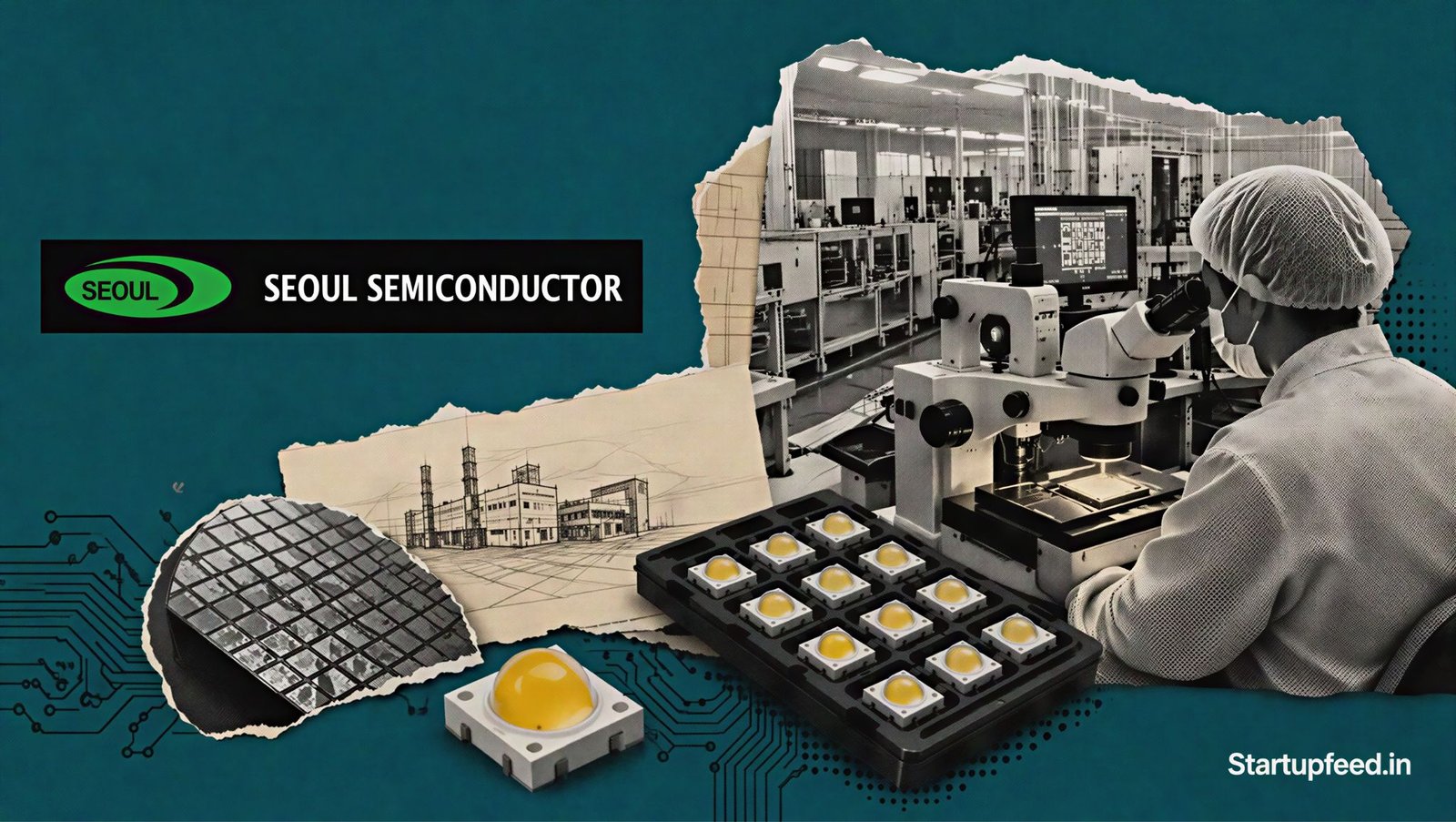
Seoul Semiconductor, the South Korean optoelectronics major, is assessing plans to set up a manufacturing plant in India and is in talks with Tamil Nadu, Karnataka and Gujarat, according to people aware of the development. The company is seeking incentives under Semicon 2.0, the Rs 1,27,500 Cr ($13.2 Bn) programme the Union Cabinet approved on July 15, 2026.
The firm is one of the world’s largest makers of LEDs and optical semiconductors. Its current manufacturing units sit in South Korea, the United States, China and Vietnam. An India plant would mark its first production base in the country, where it has so far kept Korean semiconductor activity focused on research and development work.
StartupFeed Insight
The timing tells the real story. This exploration surfaced within days of the Semicon 2.0 approval, which suggests the 25 to 35 percent packaging subsidy moved a stalled proposal off the shelf. Note what the company already runs: factories in China and Vietnam. An India unit is a China-plus-one hedge dressed as market entry. Anyone tracking Indian display panel and automotive lighting supply chains should watch this closely, because LED packaging feeds both. StartupFeed expects at least two more Korean component suppliers to announce India site assessments before December 2026, following the Simmtech template of clustering near an anchor customer. By Avinash.
Seoul Semiconductor India Plan: Key Facts
Seoul Semiconductor is a KOSDAQ-listed LED and optical semiconductor manufacturer that ranks among the global top three by market share. The table below sets out what is currently known about its India assessment and the policy backdrop shaping it.
| Metric | Detail | Notes |
|---|---|---|
| Stage | Exploratory talks | No formal application confirmed |
| States in talks | Tamil Nadu, Karnataka, Gujarat | Per people aware of the development |
| Facility type | Possible assembly plant | Not a front-end fabrication unit |
| Policy scheme | Semicon 2.0 | Rs 1,27,500 Cr outlay, PIB |
| Packaging incentive | 25% to 35% of capex | Higher slab for advanced packaging |
| Approval date | July 15, 2026 | Union Cabinet decision |
The most telling detail is the facility type. An assembly unit needs far less capital and water than a fabrication plant, which puts a decision timeline in months rather than years.
About Seoul Semiconductor
Seoul Semiconductor makes LEDs and optical semiconductor components for automotive, display, lighting and industrial uses. Founded in 1992 and headquartered in Ansan-si, Gyeonggi-do, the company runs about 30 offices across roughly 70 countries and reports over $1 Bn (Rs 9,640 Cr) in consolidated revenue. It holds more than 18,000 patents and manufactures in Korea, the US, China and Vietnam, per its official company overview.
Why is Seoul Semiconductor looking at India now?
Seoul Semiconductor is responding to a policy window that opened five days before this news surfaced. On July 15, 2026, the Union Cabinet cleared Semicon 2.0 with an outlay of Rs 1,27,500 Cr, extending direct support to packaging and assembly units alongside fabs. The government expects the scheme to draw roughly Rs 4 Lakh Cr in investment and generate Rs 2 Lakh Cr of semiconductor production over its run.
We will be self-reliant in the production of indigenous chips by the end of this programme, said Ashwini Vaishnaw, Union Minister for Electronics and Information Technology.
The fourth pillar of Semicon 2.0 targets ATMP (Assembly, Testing, Marking and Packaging) and OSAT (Outsourced Semiconductor Assembly and Test) units specifically, as the Cabinet decision published by PIB sets out. That pillar is the natural fit for an LED packaging line. India also offers demand pull: the domestic chip market has grown from about $38 Bn in 2023 to an estimated $45 Bn to $50 Bn in 2024-25.
Which state will win the Seoul Semiconductor plant?
Three states are competing on very different strengths. Gujarat holds the execution record, with Micron, Kaynes and CG Semi already in commercial production there. Tamil Nadu offers up to 50 percent additional capital subsidy on top of central incentives under its state semiconductor programme, plus stamp duty and electricity concessions. Karnataka brings Bengaluru’s design talent density and a planned 200-acre semiconductor park.
Twelve manufacturing units have been approved under ISM 1.0 so far, carrying cumulative investment of over Rs 1.64 Lakh Cr. Nine of those twelve are packaging units. Gujarat has taken the bulk of them, which is precisely why Tamil Nadu and Karnataka are bidding hard on this one.
How does Seoul Semiconductor compare with rivals?
The global LED market is a three-horse race, and Seoul Semiconductor sits in third place behind two much older incumbents.
| Company | Base | Position |
|---|---|---|
| Nichia | Japan | Global No.1 by LED share |
| ams OSRAM | Austria, Germany | Global No.2, gap narrowed to 1 point |
| Seoul Semiconductor | South Korea | Global No.3, over 18,000 patents |
Seoul Semiconductor was the only firm among the global top three to hold both revenue and market share through the 2024 LED downturn, per Omdia rankings. The company reinvests over 10 percent of annual revenue into research and development, and its patent portfolio is the largest in the LED industry. That patent depth, not scale, is its main differentiator against Chinese and Taiwanese packagers competing on price.
What’s Next
Watch for a formal Semicon 2.0 application. The scheme’s detailed guidelines and application window are the next trigger, and any state MoU would likely follow within one to two quarters of that. Note that the company’s Vietnam unit earned high-tech enterprise recognition in April 2026, so India would need to beat that cost base on incentives alone. Which state do you think lands this plant?
Frequently Asked Questions
Written by Avinash. Have a tip? Write to us at editorial@startupfeed.in.