
Zerodha built Zero1 to prove that a broking firm could also be a media company — one that funded serious, long-form financial storytelling without the mis-selling and clickbait that defines most finfluencer content. The experiment lasted over a year and reached a significant audience. Then SEBI’s tightening grip on how regulated entities can associate with content creators made the model legally untenable. Zero1 is now shut down.
Quick Take
- Date: April 22, 2026 — announced via official Zerodha statement (reported by Entrackr)
- What’s shut: Zero1 creator partnership network — the programme that funded and supported external financial content creators with grants (reportedly ₹40 lakh to ₹4 Cr per creator per year) in business, finance, health, and climate content
- What continues: Zerodha’s owned Zero1 channels, Varsity (English + Hindi), Markets by Zerodha, The Daily Brief podcast, LearnApp-operated properties — all in-house, full editorial control
- Zerodha’s statement: ‘There was a lot of regulatory uncertainty around the entire initiative and we took a call to wind this down. Our new strategy is simple — to run and own all the channels in-house. We will have full control on the content that is put out.’
- Regulatory context: SEBI’s 2024 finfluencer circulars prohibited regulated entities (brokers, MF platforms, RIAs) from having any association — financial or otherwise — with unregistered financial influencers. Zero1’s creator funding model sat directly in this grey zone.
- Zerodha’s broader context: Brokerage revenues down 40% YoY (Q1 FY26); F&O regulatory crackdown; introduced Rs 40/order charge for select intraday trades (Apr 2026); company ‘pivoting’ per Nithin Kamath — Zero1 becomes an early casualty of cost discipline
Zerodha has wound down Zero1, its creator-led content initiative and financial media network, citing regulatory challenges. The Bengaluru-based stock broking firm announced the closure in an official statement on April 22, 2026, confirming that the programme — which funded and supported external storytellers and YouTube creators working on finance, health, and climate content — has been discontinued.
The decision marks the end of what was one of the most ambitious and well-resourced financial media experiments by any Indian fintech company. At its peak, Zero1 supported creators with funding reportedly ranging from ₹40 lakh to ₹4 crore per year per creator, had an in-house team of around 80 people, hosted a Zero1 Fest with 3,000+ attendees, and was described by its community as ‘Lollapalooza for finance nerds.’ It now becomes a quiet exit from a bold experiment.
“There was a lot of regulatory uncertainty around the entire initiative and we took a call to wind this down. Our new strategy is simple — to run and own all the channels in-house. We will have full control on the content that is put out.” — Zerodha, official statement, April 22, 2026
What Zero1 Was — And Why It Mattered
Zero1 by Zerodha was launched in 2023 as a joint venture between Zerodha and LearnApp (a financial education startup Zerodha had funded in 2018, co-founded by Prateek Singh). Its stated mission was to make ‘money and wealth part of pop culture’ — to build a financial media ecosystem that could counter the mis-selling and misinformation that characterised much of India’s booming finfluencer landscape.
| Zero1 Component | What It Was | Scale / Status |
| Creator Partnership Network | The piece being shut down — funded external YouTube creators building finance, health, and business content with Zero1 branding and support. Grants reportedly ₹40 lakh to ₹4 Cr/year per creator. No equity taken; no profit motive stated. | Significant reach; ‘impactful for over a year’ per Zerodha — now WOUND DOWN |
| Zero1 by Zerodha (Owned channel) | In-house YouTube channel — data-backed financial storytelling; viral videos including ‘De-influencing’ (2.3 Mn views) and ’10-minute delivery apps are fooling YOU’ (993K views) | Continues — moves fully in-house |
| Zero1 Hustle | Separate in-house YouTube channel | Continues — in-house |
| Zero1 Hindi | Hindi-language in-house YouTube channel | Continues — in-house |
| Zero1 Fest | Annual live event — 2025 edition: 3,000+ attendees; 22,000 app downloads; 13,000 missions completed; called ‘Lollapalooza for finance nerds’ | Status unclear post-shutdown |
| Zero1 App (LearnApp/Google Play) | Mobile app — income tax calculator, mission-based engagement, Zero1 Fest content; branded Zerodha + LearnApp joint venture | Status unclear post-shutdown |
| Instagram / Social | 155K followers on @zero1byzerodha | Status unclear post-shutdown |
The critical distinction: Zero1 had two operating modes. The creator partnership network — which funded and supported independent external creators — is the part being shut down. Zerodha’s own in-house Zero1 branded channels, and LearnApp-operated properties, are expected to continue under the new ‘fully in-house’ strategy.
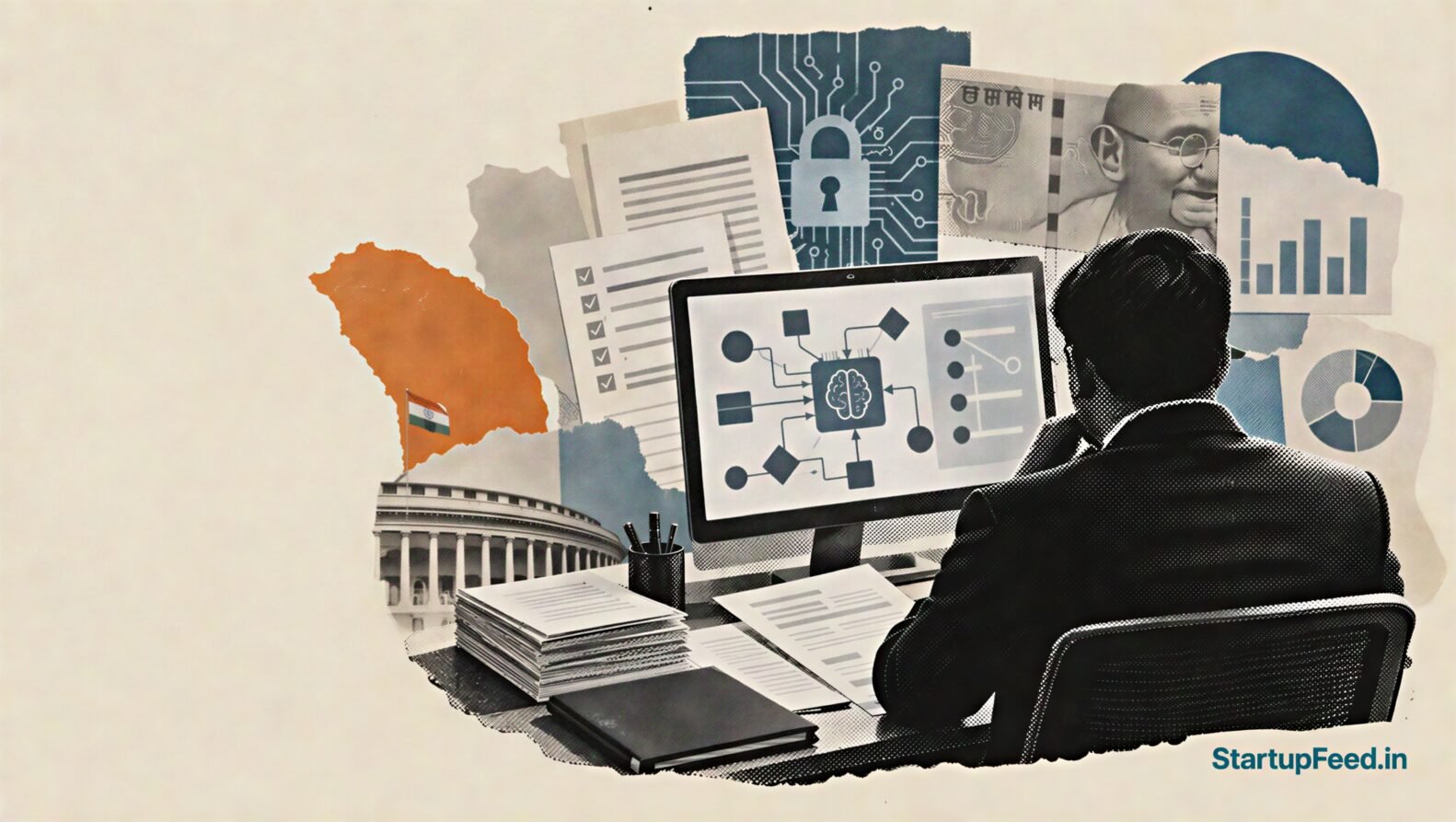
The Regulatory Context ,Why SEBI’s Finfluencer Rules Made Zero1 Untenable
The shutdown cannot be understood without the regulatory backdrop that SEBI has been building since 2023. The regulator’s progressive tightening of rules around financial influencers created a structural problem for any SEBI-registered broker that was financially supporting content creators:
| SEBI Action | Date | Impact on Zero1-Style Models |
| Initial SEBI consultation on finfluencers | 2023 | SEBI signals intent to regulate unregistered financial influencers; establishes definitional framework |
| SEBI prohibits regulated entities from associating with unregistered finfluencers | July 2024 | Core restriction: SEBI-registered brokers cannot have any association — financial OR non-monetary — with unregistered financial influencers. This directly targeted broker-finfluencer referral arrangements. |
| SEBI tweaks finfluencer regulations; removes 15,000+ pieces of content | August 2024 | SEBI operationalises the July circular; platforms take down content; regulated entities cannot give referral fees; investor education exemption narrow and conditional |
| SEBI further tightens: live stock data restricted for educators | January 2025 | Financial educators can only use stock price data with 3-month lag — cannot use live data even for educational purposes. Severely restricts creator content formats. |
| Zero1 creator network operated throughout this period | 2023-2026 | The question SEBI’s circulars created: was Zerodha, a SEBI-registered broker, ‘associating’ with unregistered financial content creators by funding them? Even if creators weren’t giving investment advice, the financial relationship was in a grey zone. |
| Zerodha announces Zero1 shutdown | April 22, 2026 | ‘A lot of regulatory uncertainty’ — Zerodha’s phrasing confirms that legal clarity never arrived; the risk of being found non-compliant with the broker-finfluencer prohibition became unacceptable. |
The key tension: Zero1’s creator network was not funding finfluencers who gave investment advice — it was funding storytellers working on finance, health, and climate content. Zerodha consistently positioned it as a quality financial education initiative, not a marketing channel. But SEBI’s circulars were written broadly enough that any financial relationship between a registered broker and a content creator in the financial space created compliance risk. Zerodha, which has historically been proactive in SEBI engagement, was not willing to test that grey zone.
The Broader Zerodha Context , Why Now
Zero1’s shutdown is not happening in isolation. Zerodha is navigating one of the most difficult regulatory and revenue environments in its 15-year history:
- Brokerage revenues down 40% YoY (Q1 FY26): SEBI’s F&O crackdown — higher STT, removal of exchange rebates, restrictions on weekly options — hit Zerodha’s core F&O revenue. The company that earned 20% of India’s retail trading volumes now faces structurally lower income.
- First-ever equity delivery charge introduced (April 2026): Zerodha introduced a Rs 40/order fee for select intraday trades from April 1, 2026 — ending a decade-long era of near-zero-cost equity delivery. A clear signal that discretionary costs are being cut.
- Nithin Kamath has explicitly called for a ‘pivot’: In Zerodha’s 15th anniversary blog post, Kamath said ‘the time has finally come for our business to pivot.’ Running a creator network funding external content makers with ₹40 lakh to ₹4 Cr per year is exactly the kind of discretionary, non-core spend that a business in pivot mode cuts first.
- Revenue and profit dip below Rs 5,000 Cr (FY25): While Zerodha retains strong reserves (Rs 22,679 Cr in cash), the revenue trajectory is downward. Every incremental expense without a clear compliance framework becomes untenable.
- LearnApp continues: Zerodha notes that LearnApp — the startup it funded in 2018, which co-built Zero1 — ‘continues to build Zero1 and other company-owned properties focused on financial literacy.’ The LearnApp relationship survives; the external creator network it ran does not.
The New Strategy , What Zerodha Is Building Instead
Zerodha’s post-Zero1 content strategy is explicitly in-house and ownership-first. The company already operates a substantial content ecosystem that will now absorb all energy and resources previously directed at the creator network:
| Platform | Format | Positioning |
| Varsity (English) | Web courseware + app + video + animated series (Varsity Junior); quizzes and certifications | India’s largest freely accessible financial education courseware; been running since 2014; trusted across retail investor community |
| Varsity (Hindi) | Hindi-language version of Varsity content | Expands financial literacy to Hindi-speaking retail investors; Zero1 Hindi channel integrates |
| The Daily Brief (podcast) | Daily business and markets podcast; cited by Zerodha as ‘among the top 5 business podcasts in the country’ | Audio format financial education; no investment advice; aligns with SEBI’s investor education exemption |
| Markets by Zerodha | Markets-focused content property | Technical and market analysis content; in-house editorial control |
| Zero1 owned channels (YouTube, Instagram) | Data-backed long-form financial storytelling; viral content format | Continue as in-house channels; previous viral hits (2.3 Mn view De-influencing video) demonstrate the formula works |
| LearnApp-operated properties | Financial education content built by LearnApp team in JV with Zerodha | Continues; LearnApp relationship intact even as creator network closes |
The consolidation under full in-house control solves the regulatory problem cleanly: Zerodha controls the editorial direction, the content, the compliance review, and the SEBI-alignment of every piece of content published. There is no ambiguity about whether creator-produced content on a funded channel constitutes an association between a broker and an unregistered finfluencer — because there are no external creators.

StartupFeed Insight
- The regulatory read between the lines: Zerodha’s language — ‘regulatory uncertainty’ rather than a specific SEBI order — is deliberate. The company was not found in violation; it proactively shut down an initiative before that could happen. This is textbook Zerodha risk management: Nithin Kamath has publicly positioned the firm as SEBI-aligned and has even sat on SEBI’s Secondary Market Advisory Committee. A compliance misstep on Zero1 would have been reputationally damaging far beyond the financial cost.
- What’s lost: Zero1’s creator network was genuinely different from most fintech content plays. It funded long-form, research-backed storytelling — not sponsored trading tutorials or affiliate-linked course recommendations. The community described it as having ‘no mis-selling, upselling, or cross-selling.’ Indian financial content loses one of its few quality-first institutional backers.
- What survives is better: Zerodha’s owned content — Varsity, The Daily Brief, Zero1 channels — has arguably stronger brand equity than the creator network. These platforms have Zerodha’s name on them directly and the company has invested in them for over a decade. The creator network, while innovative, was always reputationally riskier because Zerodha’s brand was associated with creators over whom it had limited editorial control.
- SEBI’s finfluencer rules need nuance: The regulatory grey zone that killed Zero1 exposes a real problem in SEBI’s finfluencer framework. The rules are broad enough to make it legally uncomfortable for any registered financial entity to fund quality financial education content — even content that doesn’t give investment advice. Zero1 was not a referral scheme; it was a content quality initiative. SEBI’s inability to create a clear safe harbour for education-only content has now eliminated one of the better models in the market.
- What this means for the finfluencer ecosystem: The creator economy in financial content has always existed on a spectrum: from pure education to disguised investment advice. Zerodha’s withdrawal removes one of the most credible institutional anchors that quality financial creators could have relied on for funding without compromising editorial independence. The vacuum will likely be filled by lower-quality content backed by entities outside SEBI’s regulatory perimeter.
- Our prediction: Zerodha will reinvest the Zero1 creator budget into Varsity 2.0 — a revamped, AI-assisted version of its flagship education platform with personalised learning paths, vernacular content, and certification tracks. The launch will happen by Q3 FY27 and be positioned as Zerodha’s response to the ‘finfluencer problem’ — quality education, fully SEBI-compliant, with no dependency on external creators.
Zero1 was Zerodha’s most creative experiment beyond its core brokerage business. It proved that institutional funding for quality financial content could build genuine audience trust in a space overrun by mis-sellers and course-pushers. That the experiment ends not because the content was bad — but because the regulatory framework never provided clarity on how a broker could support good content without violating rules designed to stop bad content — is the real story here.
Zerodha made the right call. The regulatory uncertainty was real, the reputational risk was asymmetric, and the cost discipline moment for the company is now. What it leaves behind — Varsity, The Daily Brief, the owned Zero1 channels — is more than enough to maintain its position as India’s most trusted financial education brand.
Liked this story? Follow StartupFeed on Google so our reporting reaches you first.