Summary:
- New electrochemical tech (ECOOP) removes up to 96% colour and cuts pollutants by 60% in textile effluents
- Pilot in Erode industries shows strong success in cleaning dyebath wastewater
- Eco-friendly, low-cost, scalable solution — tailored for smaller dyeing units too
A Breakthrough for Tamil Nadu’s Polluted Rivers
Erode, Tamil Nadu, has long battled the dark side of textile wealth: toxic wastewater pouring into its rivers. Now, an IIT Madras-incubated startup is piloting an innovation that could flip the script.
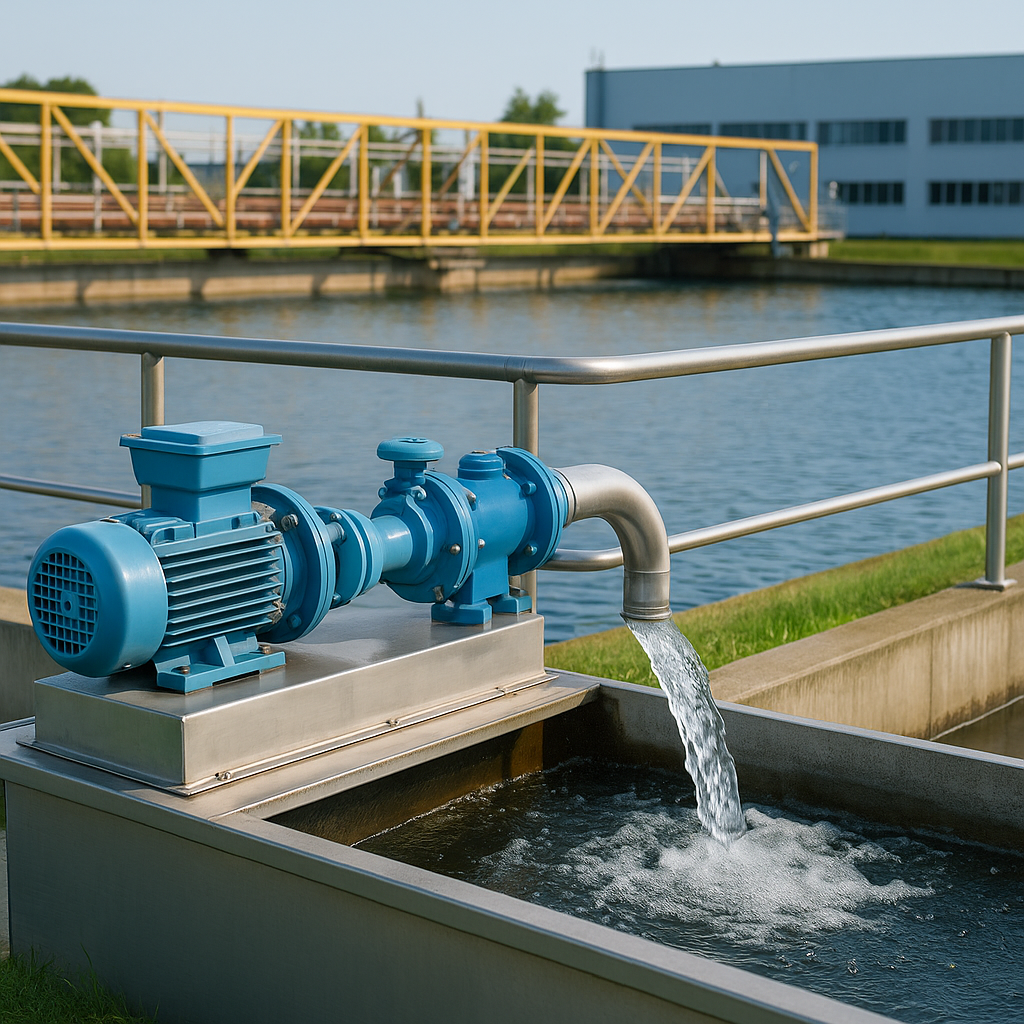
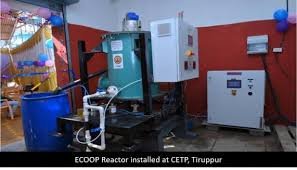
The Electrochemical Ozone Oxidation Process (ECOOP) has been installed in industrial units to demonstrate a clean, affordable, and efficient alternative to conventional Zero Liquid Discharge (ZLD) systems.
How the Technology Works
Developed by Prof. Indumathi M. Nambi and her team at IIT Madras, ECOOP uses ozone-driven electrochemical treatment instead of chlorine. Why it matters:



- Eliminates toxic by-products common in traditional treatment.
- Achieves 96% colour removal and 60% COD reduction (pollutants).
- Works with lower energy use and smaller space than conventional setups.
Pilot Success in Erode
The first deployment at a Common Effluent Treatment Plant (CETP) for dyebath effluent has shown promising results. Textile units in Erode have already reported clearer, safer water, signalling hope for a region once plagued by untreated industrial discharge.
Scaling for India’s Textile Heartlands
The next challenge: scale. The IIT Madras startup is working to expand capacity for larger volumes and customise solutions for smaller dyeing units that cannot afford big-budget ZLD systems.
If successful, ECOOP could become a template for sustainable industrial water treatment across India and beyond.
Liked this story? Follow StartupFeed on Google so our reporting reaches you first.