
Quick Take
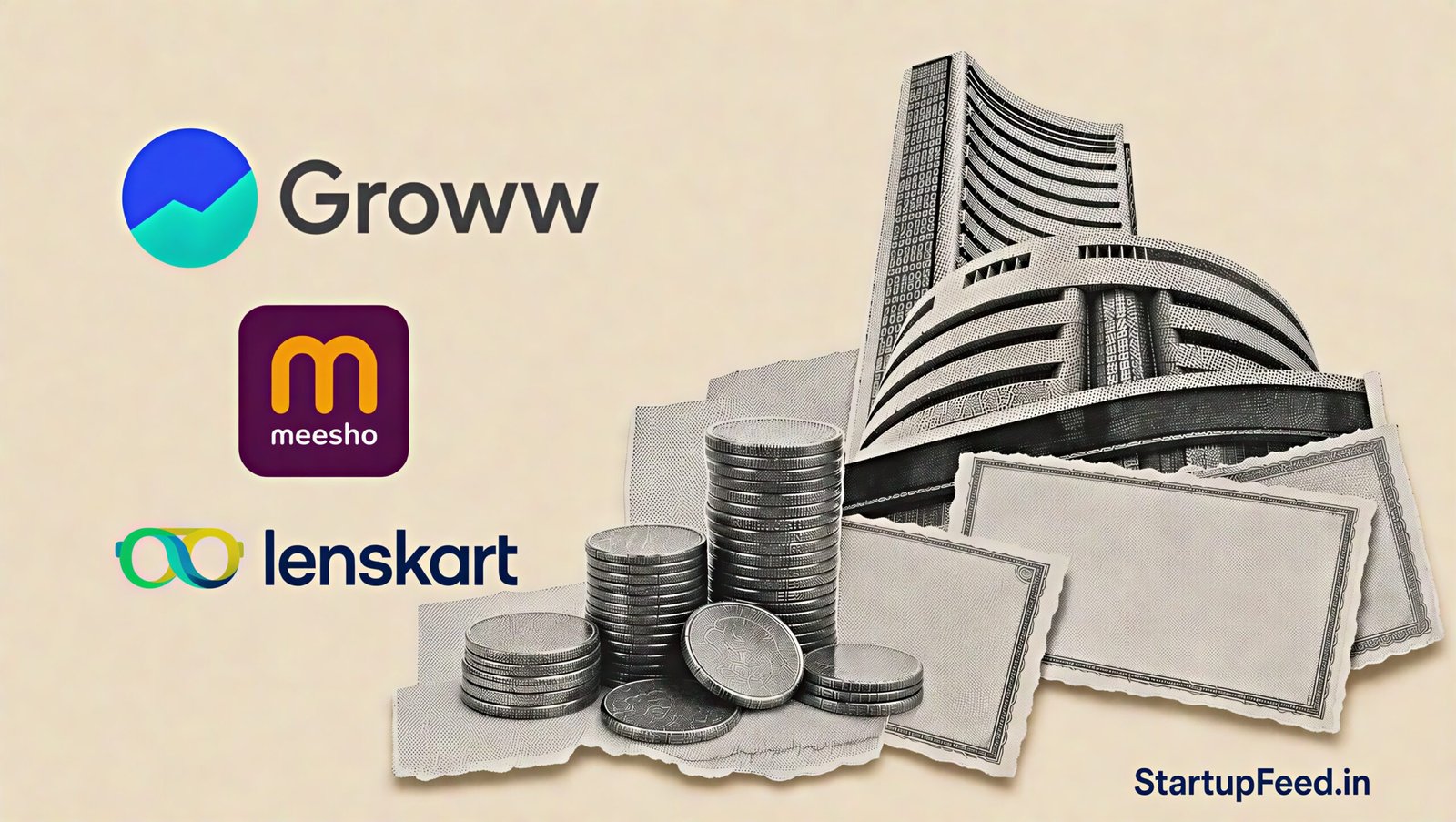
- Investors sold about Rs 13,300 crore of shares in seven newly listed startups in the past month.
- Early Groww and Meesho backers sit on 50 times to 184 times returns, while later investor SoftBank is at about 5.7 times on Lenskart.
- Entry price, not the IPO valuation, is deciding who wins. Expect more lock-in exits through the coming quarters.
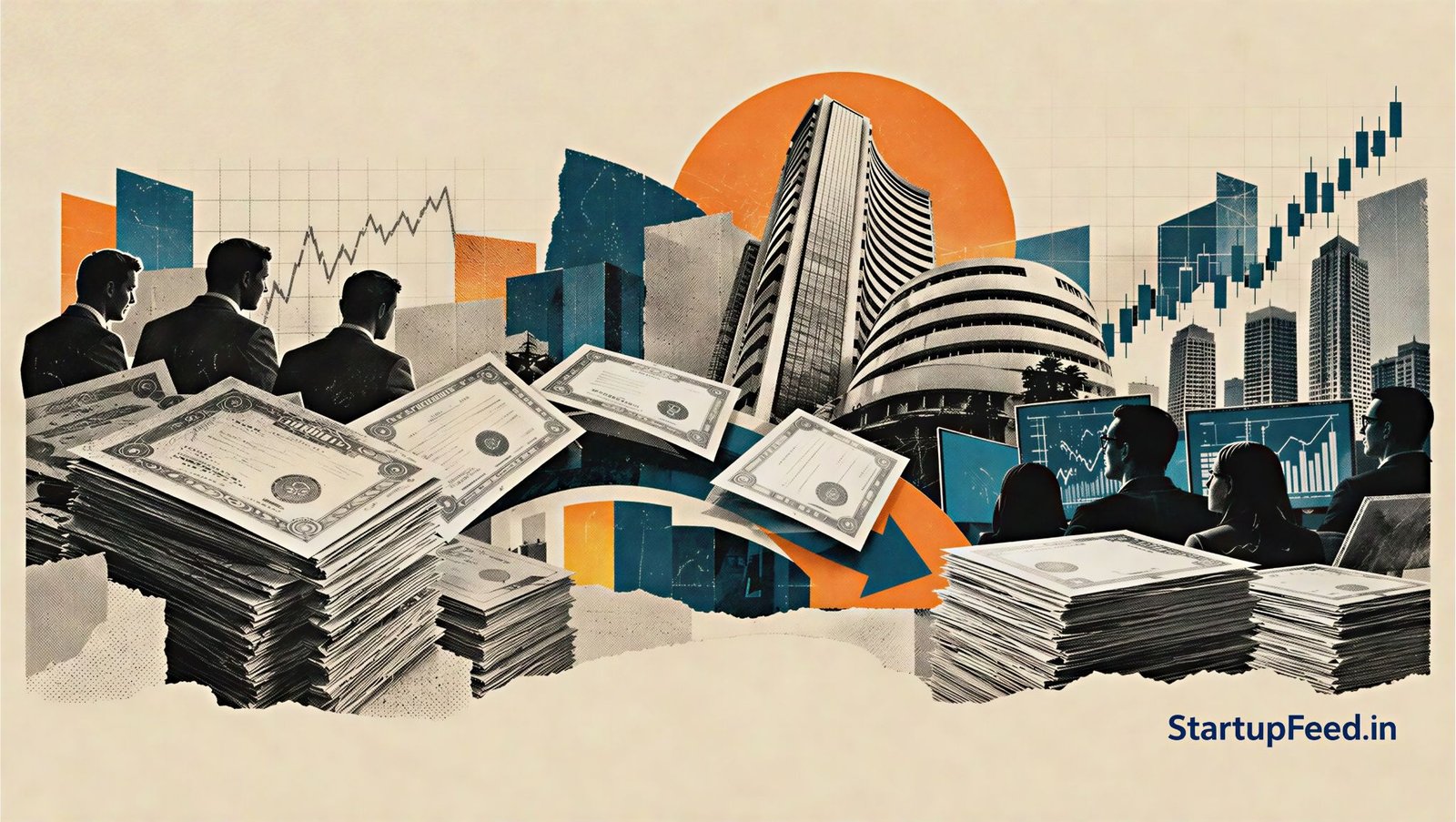
A rush of block deals in newly listed Indian startups is putting private valuations to a cash test. The early numbers are unkind to one idea. A big IPO price does not guarantee a big return.
Investors sold about Rs 13,300 crore of shares in seven newly listed startups over the past month, ET reported. The same sellers have booked about Rs 25,550 crore in all. That includes offers for sale during their IPOs and earlier block trades.
Why does entry price beat the IPO valuation?
The point underneath the numbers is simple. A high listing valuation does not decide what an investor finally earns.
What decides the return is the entry price. An investor who bought in early, at a low cost, keeps a large gain even after the stock cools. A late backer who paid a rich private round can end up close to flat.
ET calculated blended returns for several of these investors. The method combines the cash already taken out with the value of the stake still held. Both are measured against the disclosed cost of buying in.


Who made the most: Groww, Meesho or Lenskart?
Groww shows the pattern at the top end. Its early backers sold about Rs 3,652 crore of stock during the month. ET data shows Nexus Venture Partners on about a 60 times return on its Groww bet. Y Combinator is at about 53 times.
Meesho tells the same story. Early holders sold about Rs 2,919 crore of shares in the period. Elevation Capital is at about a 60 times return, and Peak XV Partners is near 43 times. Y Combinator sits at roughly 184 times on Meesho.
Lenskart is the outlier here. SoftBank sold about Rs 2,888 crore of Lenskart stock in the month. On that sale SoftBank is at about 5.7 times, well below the venture multiples above. It came in later and paid more per share.
What does the full return table show?
The gap widens further down the list. Shadowfax backers sold about Rs 2,139 crore of shares in the month. Eightroads sits at about 16 times on Shadowfax, with Qualcomm at 8.7 times and Flipkart at about 4 times.
Smaller cash-outs show thinner multiples. Urban Company sellers moved about Rs 599 crore, with Accel at about 34 times and Bessemer at 19 times. Amagi sellers moved about Rs 587 crore in the month.
PhysicsWallah sellers sold about Rs 550 crore of stock. Lightspeed, an early PhysicsWallah backer, is at only about 1.3 times on that holding.
| Company | Sold in the month (Rs Cr) | Top early-investor return |
|---|---|---|
| Groww | 3,652 | Nexus about 60x, Y Combinator about 53x |
| Meesho | 2,919 | Elevation about 60x, Y Combinator about 184x |
| Lenskart | 2,888 | SoftBank about 5.7x |
| Shadowfax | 2,139 | Eightroads about 16x, Qualcomm about 8.7x |
| Urban Company | 599 | Accel about 34x, Bessemer about 19x |
| Amagi | 587 | Trifecta and Accel, low single digits |
| PhysicsWallah | 550 | Lightspeed about 1.3x |
What is DPI and why do funds track it?
Devendra Agrawal, founder of investment banking firm Dexter Capital, told ET why the entry point matters so much. He said late-stage exposure is often trimmed first when a stock stays under pressure after listing.

Fund investors are now watching one number closely. It is called DPI, short for distributions to paid-in capital. DPI tracks the cash a fund hands back against the money it took in.
A DPI of 1 means the fund has returned every rupee it once raised. For established funds, Agrawal said, that mark has become a key test of performance.
What this means for founders and investors
The wave of selling is not a verdict on any of these companies. It is early investors taking money off the table after years locked inside private stock.
What this means for you: If you are raising, remember that a high headline valuation can hurt your later backers, so price rounds with the eventual public exit in mind.
StartupFeed Insight
The spread in this data is the whole story. Nexus and Elevation clearing about 60 times while SoftBank clears about 5.7 times on Lenskart is not about company quality. It is about who bought at seed and who bought in the last private round. For late-stage funds, the Lenskart number is the warning: paying up for a hot pre-IPO name caps your upside no matter how well the firm lists. Watch the remaining lock-ins. We expect a second wave of Groww and Meesho block deals through Q3 FY27, and a growing number of funds will start reporting DPI, not paper markups, as their headline number.
— Harshvardhan Kothari, Technology and Policy Correspondent
Frequently Asked Questions
Have a tip? Write to us at editorial@startupfeed.in.
Disclaimer: This article is for information only and is not investment advice. StartupFeed and its authors are not SEBI-registered investment advisors. Please speak to a SEBI-registered advisor before investing.
Liked this story? Follow StartupFeed on Google so our reporting reaches you first.