
Quick Take
- Delhi High Court ruled Google liable for trademark infringement in the Hindware keyword case.
- Justice Mini Pushkarna imposed Rs 30 lakh in damages on Google on May 22, 2026.
- The ruling may trigger a wave of trademark suits from Indian brands against Google Ads.
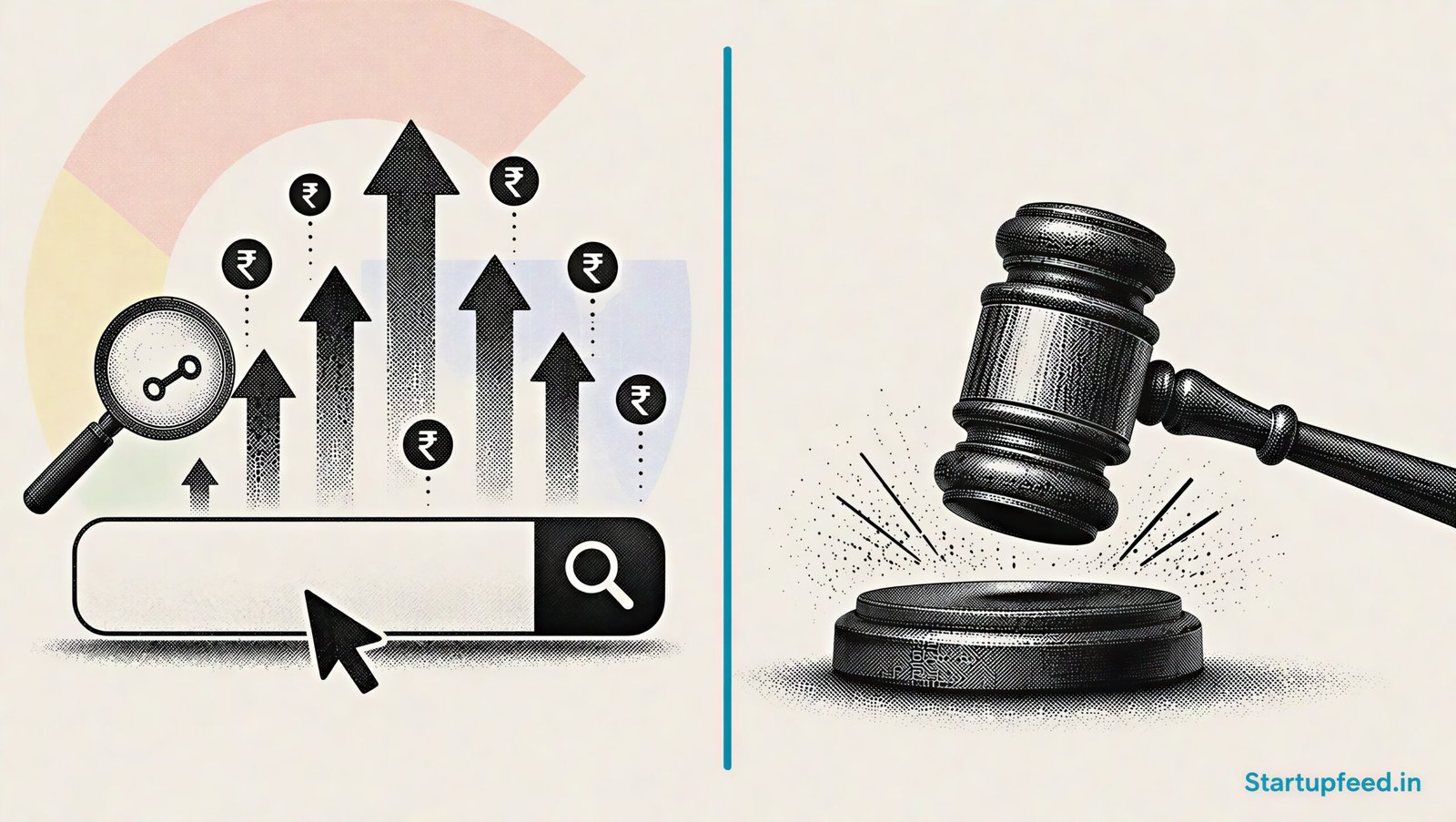
The Google Trademark Ruling of May 22, 2026 held Google LLC and Google India liable for trademark infringement, ordering Rs 30 lakh (approximately $36,000) in damages to sanitaryware brand Hindware. The judgment, delivered by Justice Mini Pushkarna of the Delhi High Court, permanently bars Google from using HINDWARE or any similar variation as an advertising keyword.
Justice Mini Pushkarna held that auctioning trademarked brand names as keywords amounts to using the mark in advertising. Section 29(6)(d) of the Trade Marks Act, 1999, covers this as infringement even if the trademark never visually appears in the ad. Google’s passive-intermediary defence, invoked under the Information Technology (IT) Act, was rejected.
The judgment found that Google actively sells and auctions trademark rights, making it a commercial participant rather than a neutral platform. The court reached its verdict 13 years after Hindware first filed suit.
StartupFeed Insight
The Google Trademark Ruling is less about the Rs 30 lakh fine and more about the business model it challenges. Search advertising generates about three-quarters of Alphabet’s India revenue. If this ruling stands and other Indian courts follow it, thousands of brands could file similar suits. That would force Google to redesign its Keyword Planner and auction system for Indian trademark holders. Watch for at least three high-value brand-bidding cases to be filed in India by Q4 2026. The Indian trademark bar has become a significant variable in the digital advertising equation. By StartupFeed Desk.
What Did the Google Trademark Ruling Decide?
| Parameter | Detail | Notes |
|---|---|---|
| Case name | Hindware Ltd v. Google LLC & Google India | Delhi High Court |
| Judgment date | May 22, 2026 | Justice Mini Pushkarna, single bench |
| Damages awarded | Rs 30 lakh (Rs 15 lakh × 2 suits) | Approximately $36,000 |
| Legal basis | Section 29(6)(d), Trade Marks Act, 1999 | “Use in advertising” test |
| Google’s defence | Passive intermediary under IT Act | Rejected by the court |
| Remedy | Permanent injunction on HINDWARE keyword | Applies to Google Ads (formerly AdWords) |
| Dispute origin | 2013 (first suit) | Cera Sanitaryware and Grohe later settled |
The Rs 30 lakh fine is symbolic. The permanent injunction is the real consequence: Google can no longer sell the HINDWARE keyword to any advertiser on its platform in India. The court’s language was pointed, finding that Google “sells or auctions the use of the trademark” without authorisation from its owner.
About Hindware Ltd
Hindware Ltd is a sanitaryware brand under Brilloca Ltd (formerly HSIL Group), headquartered in Gurugram, Haryana, selling toilets, basins, faucets, and bathtubs under the registered HINDWARE trademark. The company filed two suits in 2013 and 2014 after discovering that rivals Cera Sanitaryware and Grohe had purchased its trademark as a Google Ads keyword. Both competitors settled with Hindware during the trial. Google chose to fight the case and lost 13 years later.


Why Does This Ruling Matter for Indian Brands?
For Indian brand owners and founders, the implications stretch far beyond Hindware. Nithin Kamath, CEO of Zerodha, flagged the frustration on LinkedIn: many brands are forced to bid on their own trademarked keywords simply to prevent competitor ads from appearing above them in search results. Brands end up paying Google to protect traffic that should organically be theirs.
Rahul Chaudhry, managing partner of intellectual property law firm Rahul Chaudhry and Partners, described the judgment as a watershed moment that reframes the core legal question.
“Can an intermediary profit from the goodwill of a brand it does not own?”
Chaudhry noted a second finding with lasting impact: the court declared Google was not a passive intermediary but an active commercial participant in monetising third-party trademarks. This distinction demolishes the platform’s standard legal shield in India for keyword-based advertising claims.
The stakes for Google are material. Search advertising dominates Alphabet’s revenue globally and, in India, accounts for roughly three-quarters of its business. A ruling that creates liability for keyword sales anywhere it is followed rewrites the economics of brand bidding in that market.
How Does Google’s Keyword Advertising Auction Work?
Google’s dominance in India’s digital economy rests heavily on its search advertising model. Google Ads allows advertisers to bid on specific search keywords. When a user types a trademarked brand name into Google Search, competing companies can bid to have their ads appear at the top of results, above the brand’s own website. Google handles this through an auction run entirely on its platform.
Google’s Keyword Planner tool actively suggests branded search terms, including competitor trademarks, to advertisers looking for high-intent traffic. The platform runs an auction: the highest bidder with the best Quality Score wins the top ad slot. Google profits from every click, regardless of whose trademark triggered the search.
The court held that this active role in selling access to a trademark makes Google a commercial participant, not an index. In the Google Trademark Ruling, Justice Pushkarna noted that the Trade Marks Act, 1999 does not require a mark to visually appear in an ad for infringement to occur. Using it as an invisible keyword trigger is sufficient.


Courts in other jurisdictions have reached different conclusions. The Court of Justice of the EU found that keyword bidding does not infringe trademarks if the resulting ad clearly identifies a different advertiser. Origin confusion must also be absent. India’s ruling sets a stricter standard, which will apply specifically to Google’s India operations unless overturned on appeal.
What Happens Next?
The Google Trademark Ruling is likely to face an appeal at a higher bench of the Delhi High Court or the Supreme Court. Google India may adjust its keyword auction policies pending the outcome. Meanwhile, Indian trademark lawyers expect a wave of similar suits from brand owners across sectors by Q4 2026.
Founders with registered Indian trademarks should now check whether competitors are currently bidding on their brand names in Google Ads. The financial threshold to file a similar suit has been lowered by this precedent. Will Google adjust its keyword policy for India before the next round of litigation begins?
Frequently Asked Questions
What did the Delhi High Court decide in the Hindware vs Google case?
The Delhi High Court ruled on May 22, 2026 that Google’s practice of selling trademarked brand names as advertising keywords constitutes infringement under Section 29(6)(d) of the Trade Marks Act, 1999. Justice Mini Pushkarna ordered Rs 30 lakh in damages and permanently barred Google from using HINDWARE or similar variations as keywords. Google’s intermediary defence under the IT Act was rejected.
Who benefits most from the Google Trademark Ruling in India?
Indian brand owners with registered trademarks benefit most from the Google Trademark Ruling. Any company with a registered mark can now argue that Google’s auction of that keyword for competitor ads violates the Trade Marks Act, 1999. The ruling also opens the door for brands that have paid to bid on their own trademarked keywords to explore compensation claims, subject to individual case merits.
Liked this story? Follow StartupFeed on Google so our reporting reaches you first.