
Quick Take
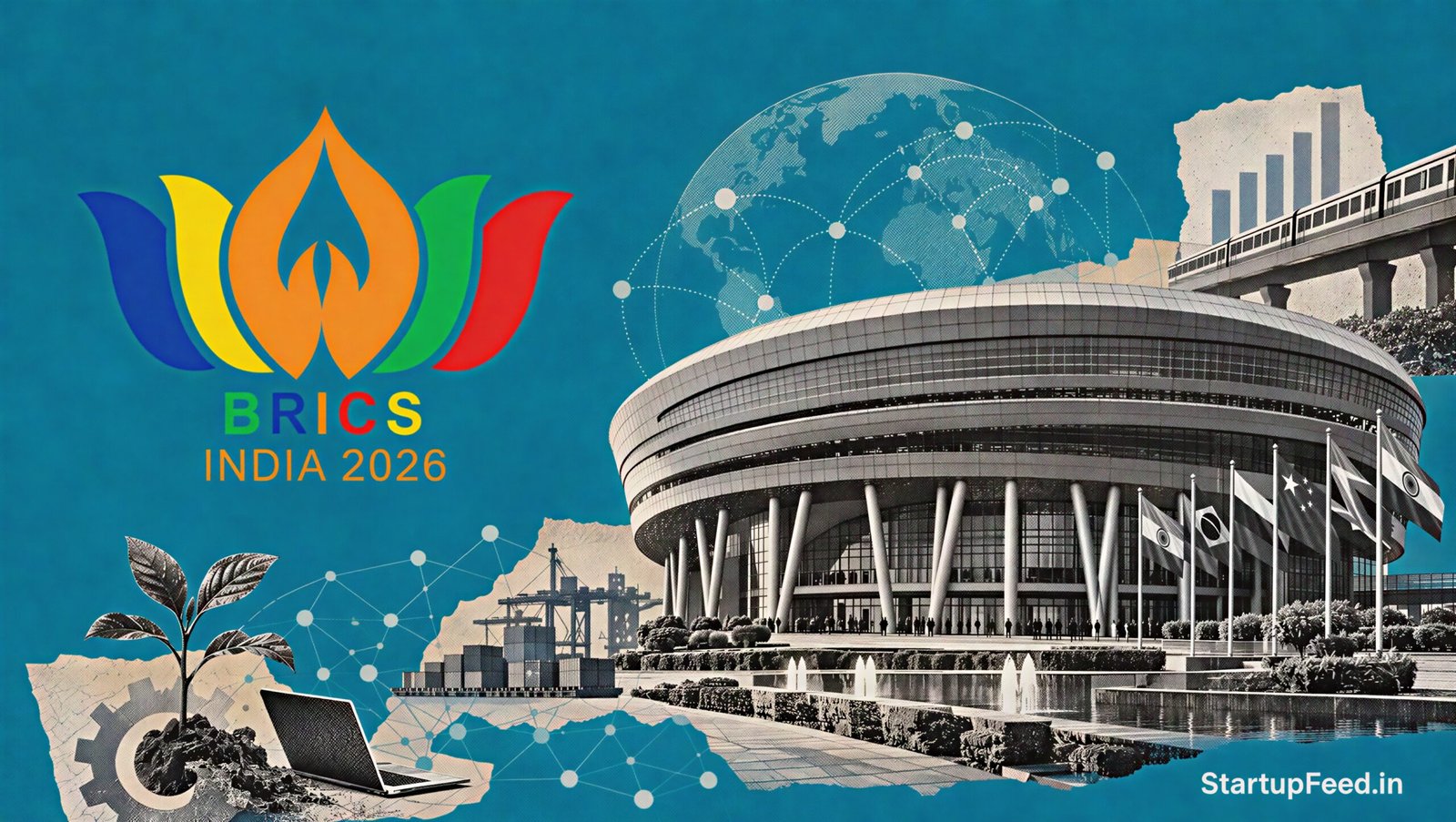
- India’s BRICS 2026 chairship has produced 20 sectoral outcomes, including new startup and MSME platforms, per the Ministry of External Affairs.
- Founders get a BRICS Incubator Network, a proposed BRICS Startup Innovation Fund and a BRICS Startup Knowledge Hub. The fund’s size is not yet set.
- Leaders meet at Bharat Mandapam in New Delhi on September 12 and 13, 2026, where these outcomes go before heads of state.
India has turned its year as BRICS chair into a set of cross-border tools for startups and small firms. The Ministry of External Affairs says the chairship produced 20 sectoral outcomes. Several target founders directly.
The list includes a BRICS MSME Cooperation Portal, a network linking startups and incubators across member countries, and a proposed BRICS Startup Innovation Fund. Business Standard reported the outcomes on September 9, 2026, citing the Ministry of External Affairs.
These go before leaders at the 18th BRICS Summit. India hosts it at Bharat Mandapam in New Delhi on September 12 and 13, 2026. India assumed the chairship on January 1, 2026.
BRICS is now an 11-member group. It covers Brazil, Russia, India, China, South Africa, Egypt, Ethiopia, Iran, the United Arab Emirates, Indonesia and Saudi Arabia. That is the market these platforms are meant to open.
What do startups actually get?
Startups get three things: a network, a proposed fund and a knowledge hub. The BRICS Incubator Network will connect national nodal agencies, selected incubators and startups. It can refer a startup in one member country to an incubator in another.

The proposed BRICS Startup Innovation Fund is meant to finance early and growth-stage startups. Here is the catch. The outcomes document does not state the fund’s size, structure or launch date.
So the fund is a proposal, not a live scheme. Founders cannot apply yet. Officials say the fund would back research and help commercialise new technology across member states.
The network targets specific sectors. It covers artificial intelligence, biotechnology, clean energy, fintech, advanced manufacturing and digital technologies. These are the areas where India wants Indian startups working with peers abroad.
There is also a BRICS Startup Knowledge Hub. India’s Startup India platform confirms it was set for a virtual launch during a dedicated BRICS startup session. DPIIT, the Department for Promotion of Industry and Internal Trade, coordinated that track.
What changes for MSMEs and exporters?
The headline tool for small firms is the BRICS MSME Cooperation Portal. It is built to connect MSMEs and technology centres with trade bodies, banks, training institutions and policymakers. The aim is simple: better access to markets and finance.
This did not appear overnight. India’s Ministry of MSME ran three SME Working Group meetings through 2026. The first was on April 24, the second on May 26, the third on June 19.
The three meetings fed into the first BRICS MSME Forum. India hosted it on June 19, 2026, in Agra, Uttar Pradesh. Fourteen member and partner countries took part, including Belarus, Cuba, Malaysia and Uganda.

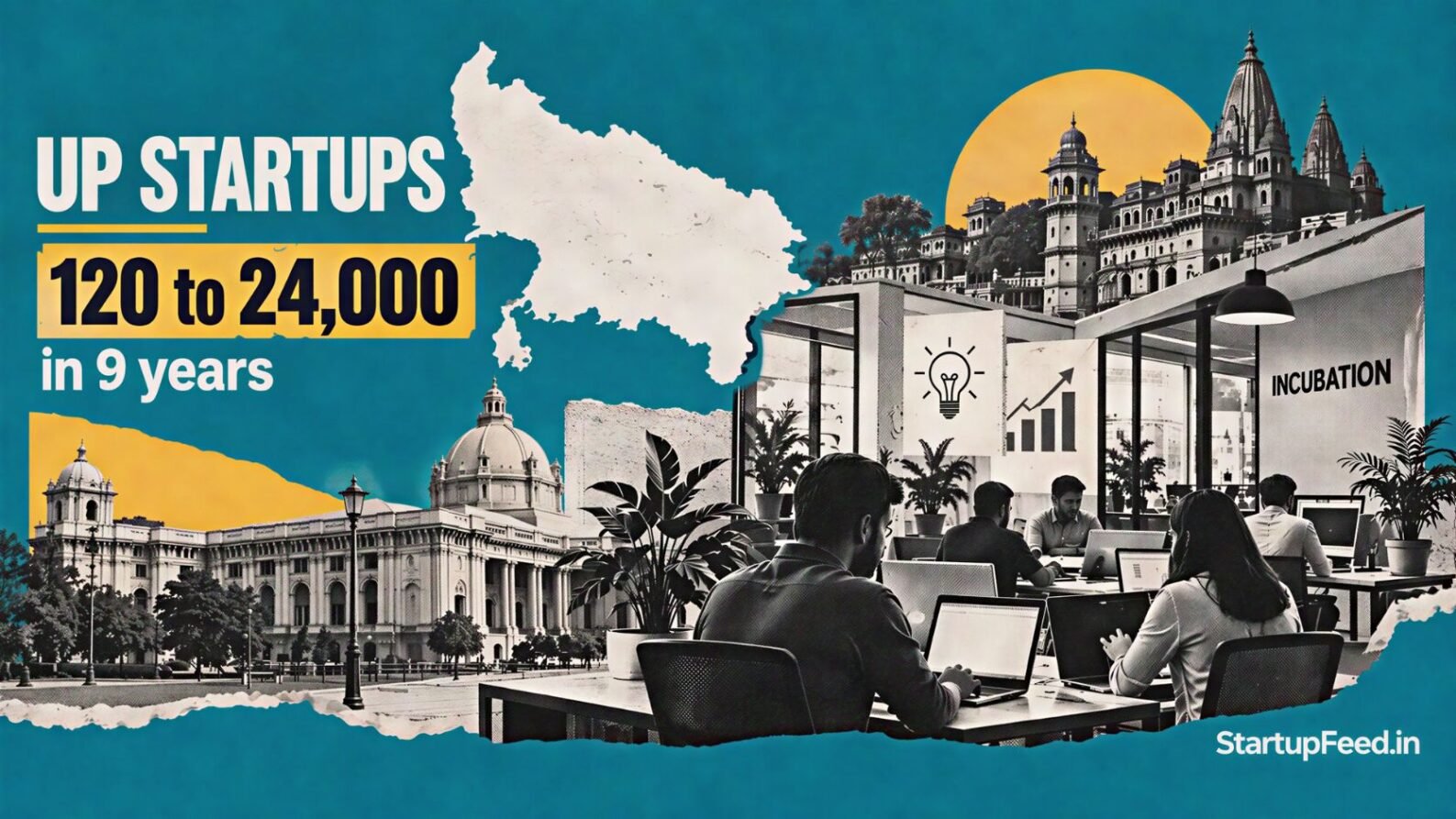
Union MSME Minister Jitan Ram Manjhi spoke at the Agra forum. He called for stronger BRICS cooperation on affordable finance, technology and market access. He tied it to the Viksit Bharat 2047 goal.
The forum also produced a report. BRICS members welcomed the 2026 BRICS MSME Forum Report at the ministerial stage. Its title is “Advancing MSME Competitiveness in BRICS: Strengthening Access to Finance and Technology and Sustainable Growth”.
Why is India pushing its digital stack?
India’s real leverage is its digital public infrastructure. At the BRICS technology track in Pune, held from August 17 to 21, 2026, India offered to share its open-source stack with member states. Minister of State Chandra Sekhar Pemmasani set out the plan.
The offer covers UPI, DigiLocker, the account aggregator system, ONDC and GeM. Member nations could adopt these without paying licence fees. For an Indian fintech or SaaS founder, that is a potential distribution channel into ten more markets.
This is the pattern across the chairship. India is exporting systems it already runs at home. The startup and MSME platforms sit on top of that same digital base.
How solid are these outcomes?
Not all 20 outcomes carry the same weight. The Ministry of External Affairs itself splits them. Some are binding frameworks or signed agreements. Others are voluntary platforms, proposals or documents awaiting formalisation.
The startup fund sits in the softer group. It is a proposal with no corpus and no timeline. The MSME portal and incubator network are platforms, which depend on members actually using them.
The scale of engagement is real, though. The Ministry of External Affairs says more than 350 meetings ran across all tracks during India’s chairship. Twenty-two ministerial meetings and eight heads-of-agencies meetings have concluded.
For founders, the honest read is this. The plumbing is being laid now. Whether it carries real deals depends on what leaders sign at Bharat Mandapam and how fast the fund gets a number attached.
BRICS 2026 startup and MSME outcomes at a glance
| Outcome | Who it serves | Status |
|---|---|---|
| BRICS Incubator Network | Startups, incubators | Platform, voluntary |
| BRICS Startup Innovation Fund | Early and growth-stage startups | Proposed, no corpus set |
| BRICS Startup Knowledge Hub | Founders, agencies | Launched virtually |
| BRICS MSME Cooperation Portal | MSMEs, trade bodies, banks | Platform |
| 2026 BRICS MSME Forum Report | Policymakers, MSMEs | Welcomed by members |
What this means for you: If you run an AI, fintech, clean-energy or manufacturing startup eyeing Brazil, the Gulf or Southeast Asia, watch the BRICS Incubator Network and track the Startup Innovation Fund for a corpus figure before counting on it.
StartupFeed Insight
The most useful outcome here is not the fund everyone will chase. It is the MSME Cooperation Portal and the digital public infrastructure offer sitting under it. India has spent a decade building UPI, ONDC and GeM, and it is now handing that stack to ten other markets that lack it. That is where an Indian fintech or logistics startup gets a real edge, not a headline fund with no corpus. Watch for the first portal onboarding numbers after the September 12 to 13 summit. If a corpus figure is attached to the Startup Innovation Fund by the end of 2026, treat that as the signal the softer proposals are turning real.
— Harshvardhan Kothari, Technology and Policy Correspondent
Frequently Asked Questions
Have a tip? Write to us at editorial@startupfeed.in.
Liked this story? Follow StartupFeed on Google so our reporting reaches you first.