

Quick Take
- FSSAI issued notices to 13 food brands over misleading healthy, organic and vegan claims.
- ASCI flagged 85% of 158 reviewed health food digital ads for norm breaches.
- Health food startups raised $761.4 Mn (Rs 7,342 Cr) since 2021, now facing tighter claim scrutiny.
In This Article
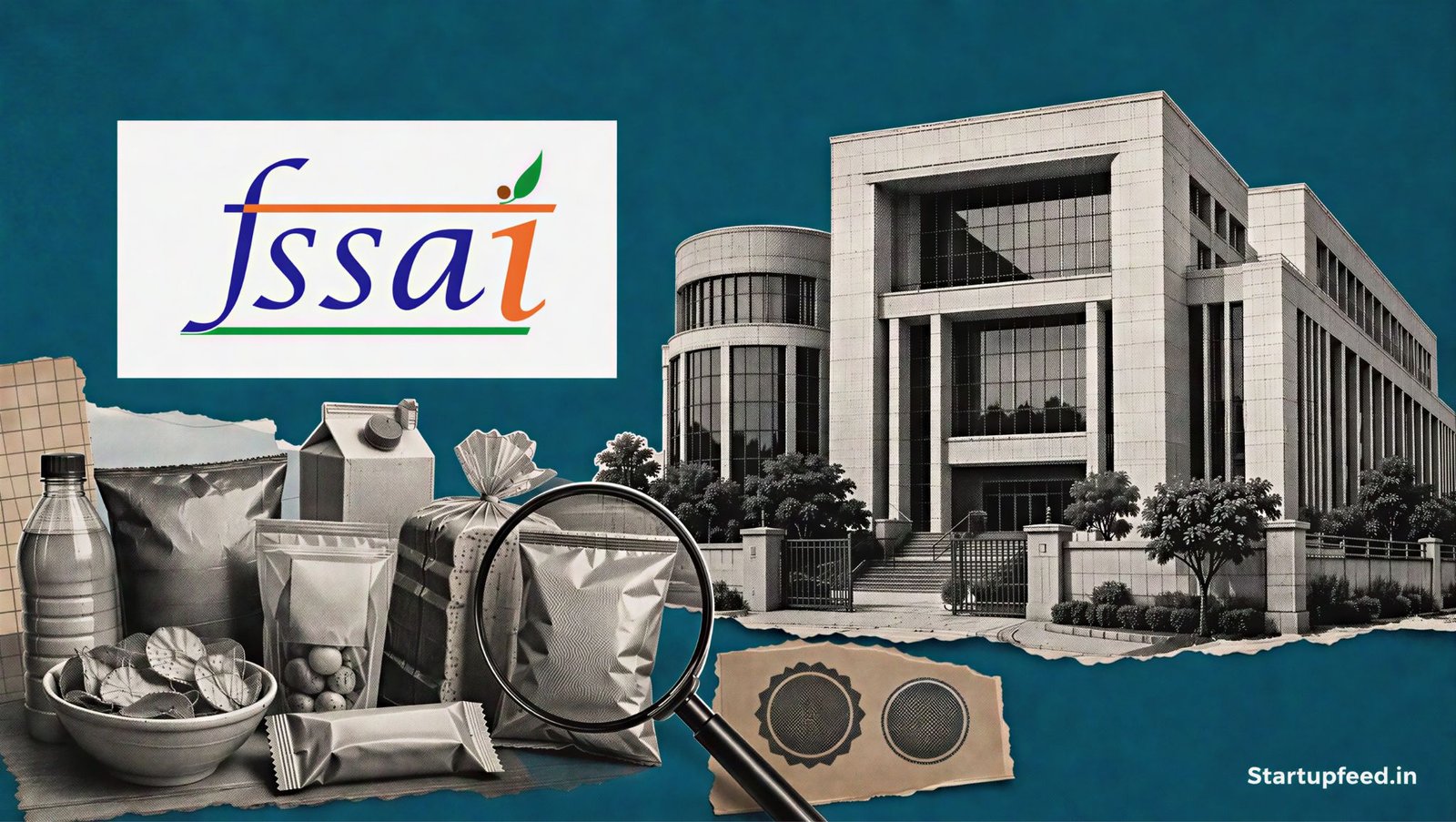
The FSSAI crackdown on misleading healthy food claims has hit 13 Indian food brands, with the regulator issuing notices in June 2026 over terms such as healthy, organic, vegan and zero maida used on labels and in advertising.
Advertising Standards Council of India (ASCI) data shows around 85% of 158 digital ads touting health benefits, reviewed between January and June 2026, breached advertising norms. The action lands on a sector that has pulled in $761.4 Mn (Rs 7,342 Cr) in funding between 2021 and July 2026, according to Tracxn. The Food Safety and Standards (Advertising and Claims) Regulations, 2018 govern every one of these claims.
StartupFeed Insight
The 85% figure is not a story about bad actors. It is a story about a category that built its entire brand architecture on words the law never defined. Zero maida, true vitamin, plant-based vegan: none of these exist as regulated categories, yet they carry premium pricing power. Founders in clean-label nutrition should read this as the end of claim-led differentiation. Expect FSSAI to move from notices to penalty proceedings under Section 53 by Q3 FY27, and expect at least one large D2C brand to rebuild its packaging line entirely. Compliance is now a product cost, not a legal footnote. By Avinash.
FSSAI Crackdown: The Numbers Behind The Notices
The FSSAI crackdown covers 13 food business operators named by the regulator in a public statement, spanning packaged snacks, bakery, beverages and nutrition brands. FSSAI said the companies may have violated the Food Safety and Standards Act, 2006 through brand names, trade names and product claims that create a misleading impression of healthfulness.
| Metric | Detail | Notes |
|---|---|---|
| Brands notified | 13 | FSSAI public statement, June 2026 |
| Ads reviewed | 158 (Jan to Jun 2026) | ASCI data |
| Ads flagged | Around 85% | ASCI data |
| Flagged claim terms | Healthy, organic, vegan, zero maida, true vitamin | FSSAI notices |
| Sector funding, 2021 to Jul 2026 | $761.4 Mn (Rs 7,342 Cr) | Tracxn |
| Maximum penalty | Rs 10 Lakh | Section 53, FSS Act 2006 |
The most striking detail sits in the claim terms themselves. FSSAI objected to trade names, not just marketing copy, meaning a brand’s registered identity can now trigger regulatory action.
About The Regulators
FSSAI is India’s apex food regulator, set up under the Food Safety and Standards Act, 2006, and headquartered in New Delhi. It licenses food business operators, sets science-based standards and enforces labelling rules. ASCI, founded in 1985 and based in Mumbai, is a voluntary self-regulatory body for advertising, led by CEO Manisha Kapoor, and it refers violative food ads to FSSAI for statutory review.

What does this mean for D2C food brands?
The FSSAI crackdown shifts compliance risk from advertising teams to product and packaging teams. Brands flagged include Healthy Master, Neuherbs, Plan B, The Health Factory, Troovy, Emami, Health Aid, Organic Wisdom, Shine Organic, Two Brothers Organic Farms, World of Organic, Storia and Iota Water. FSSAI said organic-named brands lacked NPOP (National Programme for Organic Production) or PGS (Participatory Guarantee System) certification and the mandatory Jaivik Bharat logo.
The challenge is not the absence of rules, but ensuring compliance in an environment where new categories, products, digital channels and influencer-led marketing are evolving rapidly, said Manisha Kapoor, CEO, Advertising Standards Council of India.
Kapoor’s point explains the enforcement gap. Claim language moved to Instagram and quick commerce listings faster than review capacity grew. ASCI reported that 97.3% of influencer advertisements reviewed in FY26 required modification, a figure that shows the problem is structural rather than isolated. The ASCI self-regulation code now works alongside FSSAI statutory notices rather than ahead of them.
How exposed is India’s health food sector?
India’s healthy food market reached $25.8 Bn (Rs 2,48,847 Cr) in 2025 and is projected to hit $59.8 Bn (Rs 5,76,681 Cr) by 2034, a CAGR (Compound Annual Growth Rate) of 9.79%, according to IMARC Group. That growth attracted capital, and capital attracted claim-led positioning.
| Brand | Total Funding | Claim Position |
|---|---|---|
| The Whole Truth | $71.3 Mn (Tracxn) | Clean label, full ingredient disclosure |
| Neuherbs | Undisclosed | True Vitamin trade name, flagged by FSSAI |
| The Health Factory | Undisclosed | Zero Maida bread and pizza base, flagged |
The Whole Truth raised $51 Mn (Rs 4,916 Cr) in a Series D round led by Sofina and Sauce.vc in February 2026, with Peak XV Partners and Rainmatter Health participating. Founded in 2019 by former Unilever executive Shashank Mehta, the Mumbai company built its brand on printing full ingredient lists rather than health adjectives. That distinction now looks like a regulatory moat, not a marketing choice.
What’s Next
FSSAI notices are the start of a process, not a verdict. Investigative steps will determine whether violations are established, and penalties under Section 53 of the FSS Act, 2006 can reach Rs 10 Lakh per offence. Expect flagged brands to file responses and revise packaging through H2 2026. If you run a D2C food brand, can your current label survive a claim audit?
Frequently Asked Questions
Written by Avinash. Have a tip? Write to us at editorial@startupfeed.in.