
Quick Take
- India Semiconductor Mission 2.0 clears Rs 1.27 Lakh Cr ($13.2 Bn), covering design, equipment, materials and talent.
- The outlay nearly doubles the Rs 76,000 Cr first phase and now runs for 12 years, not five.
- Founders warn that money alone will not fix high costs, IP gaps and an engineering talent crunch.
In This Article
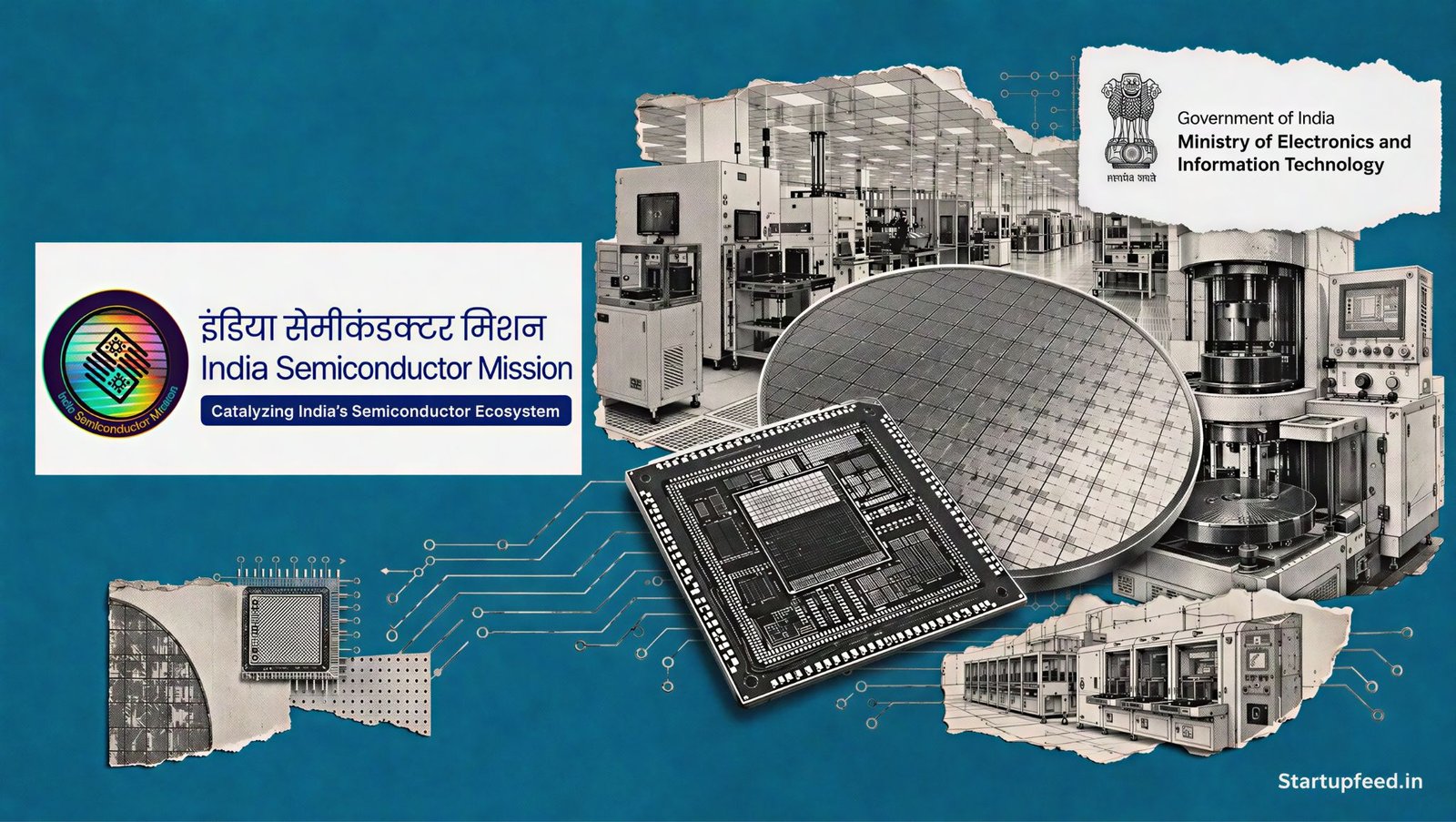
The Union Cabinet approved India Semiconductor Mission 2.0 on July 15, 2026, with an outlay of Rs 1.27 Lakh Cr ($13.2 Bn) to build a full chip design and manufacturing ecosystem.
The scheme, chaired by Prime Minister Narendra Modi, nearly doubles the Rs 76,000 Cr committed under the first phase. It widens support beyond factories to cover chip design, equipment, materials and skills. Union Electronics and IT Minister Ashwini Vaishnaw said the plan should draw around Rs 4 Lakh Cr in total investment, per an official government statement.
StartupFeed Insight
The real signal in this outlay is the 12-year runway, not the headline number. Chip design startups burn cash for years before a single wafer ships, so patient capital matters more than a one-time subsidy. Watch the DLI (Design Linked Incentive) cohort: 24 startups have drawn near Rs 430 Cr so far, and the stated goal is 100-plus companies. If founders keep flagging talent and IP costs, expect the government to add targeted design grants and skilling funds by the FY27 budget in February 2027. The firms that pair this support with real customers, not just prototypes, will separate from the pack. By Avinash.
India Semiconductor Mission 2.0 By The Numbers
India Semiconductor Mission 2.0 carries a fiscal outlay of Rs 1.27 Lakh Cr ($13.2 Bn), announced by the government on July 15, 2026. The figures below map the scale of the second phase against the first.
| Metric | Detail | Notes |
|---|---|---|
| Total outlay | Rs 1.27 Lakh Cr ($13.2 Bn) | Nearly double the first phase |
| First phase (ISM 1.0) | Rs 76,000 Cr ($8 Bn) | Approved December 2021 |
| Scheme duration | 12 years | Extended from 5 years for patient capital |
| Expected total investment | Rs 4 Lakh Cr | Government projection over scheme period |
| Projects approved so far | 12 units, Rs 1.60 Lakh Cr+ | Three already in commercial production |
| Approval date | July 15, 2026 | Cleared by the Union Cabinet |
The most striking shift is the timeline. By stretching the scheme to 12 years, the government is signalling that it understands how long chip projects take to reach revenue.
About India Semiconductor Mission 2.0
India Semiconductor Mission 2.0 is the second phase of the country’s national chip programme, run by the Ministry of Electronics and IT and announced in the Union Budget 2026-27. It funds chip design, semiconductor equipment, specialty materials, indigenous IP (Intellectual Property) and talent development. The first phase, launched in December 2021, approved 12 projects worth over Rs 1.60 Lakh Cr, including Micron’s ATMP (Assembly, Testing, Marking and Packaging) unit at Sanand and the Tata-PSMC fab.

What Does India Semiconductor Mission 2.0 Change?
India Semiconductor Mission 2.0 shifts focus from building factories to vertical integration across the full value chain. The first phase chased fabrication and packaging capacity. This phase adds equipment, chemicals, gases, design and homegrown IP, and it offers a flat 30% incentive for making equipment and materials in India, according to the government.
“The entire electronics value chain has been covered now,” Vaishnaw said while announcing the Cabinet decision.
For design startups, the widened scope matters most. It moves the mission beyond capital subsidies for large fabs toward support for smaller, IP-heavy firms that need years of runway. The 12-year window is built to reassure long-term institutional investors who fund such capital-intensive work.
Why Do Chip Startups Say Money Is Not Enough?
Founders welcome the outlay but warn that funding alone will not close India’s chip gap. High costs, thin venture capital and a shortage of specialised engineers remain the harder problems. GS Madhusudan, founder of Bengaluru-based InCore Semiconductors, has argued that semiconductor firms need patient capital that traditional venture funds rarely offer.
“Semiconductor companies often require years of development before generating meaningful revenue,” Vijay Muktamath, founder and CEO of Sensesemi Technologies, has said of the sector’s long build cycles.
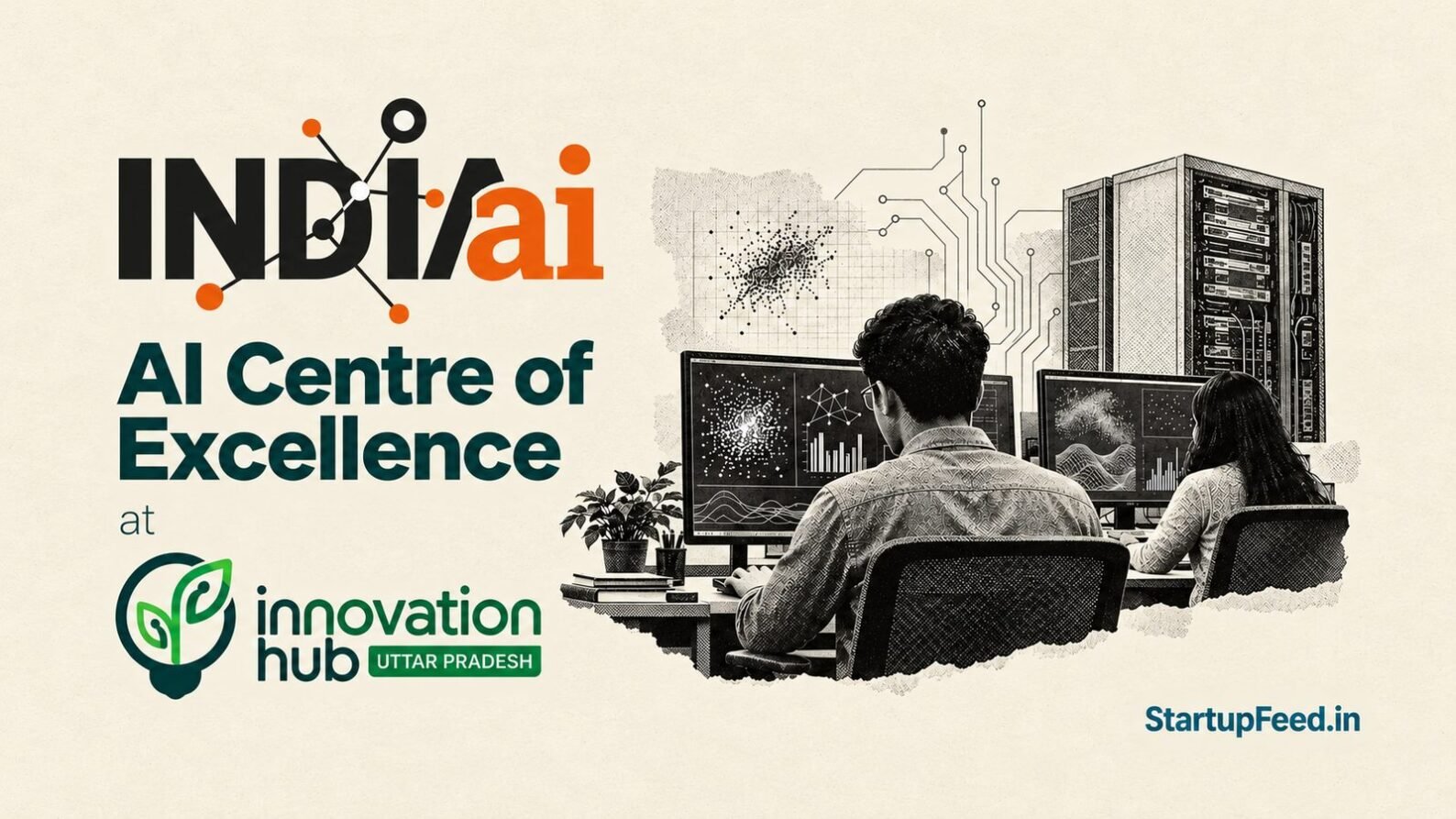
The IP question stings hardest for early-stage teams. Critical IP blocks can cost lakhs to millions of dollars, which pushes small firms toward black-box licensed IP instead of building their own. Founders want government procurement to favour homegrown IP, arguing that demand pull would do more than subsidies alone. Incubated at IIT Madras Research Park, InCore builds processor cores on the open RISC-V architecture and raised $3 Mn (Rs 28.9 Cr) from Peak XV Partners in 2023.
How Does India Compare On Chip Funding?
India Semiconductor Mission 2.0 is large by domestic standards but modest against global chip subsidy programmes. The table below sets the outlay in wider context.
| Programme | Committed Outlay | Focus |
|---|---|---|
| India ISM 2.0 | Rs 1.27 Lakh Cr ($13.2 Bn) | Full value chain, design to materials |
| India ISM 1.0 | Rs 76,000 Cr ($8 Bn) | Fabrication and packaging |
| DLI startup support | Rs 430 Cr drawn by 24 startups | Design linked incentives, scaling to 100+ |
India’s edge is not the cheque size but the ecosystem forming around it: a maturing electronics base, a deep engineering pool and rising founder interest in deep tech. What sets this phase apart is its bet that design and IP, not just factories, will decide who leads.
What’s Next
The next test comes when ISM 2.0 guidelines and the first design-focused approvals land, likely over the coming months. Watch whether the DLI cohort expands past 24 firms and whether procurement rules start favouring Indian IP. Micron’s Sanand unit and the Tata-PSMC fab will show whether the first phase can deliver at scale. Will India’s chip startups finally get the demand pull they are asking for?
Frequently Asked Questions
Written by Avinash. Have a tip? Write to us at editorial@startupfeed.in.
Liked this story? Follow StartupFeed on Google so our reporting reaches you first.