“`html
Quick Take
- The Mumbai AI Hub holds nearly 50% of India’s total data centre capacity, say industry leaders.
- Neysa CEO Sharad Sanghi, Activate co-founder Aakrit Vaish, and EDT founder Naiyya Saggi spoke at a TEAM Mumbai event.
- AI-led demand could push 650,000 to 700,000 GPU deployments in India’s data centres by 2031, per Avendus Capital.
The Mumbai AI Hub holds nearly 50% of India’s total data centre capacity, making the city the natural home for the country’s next wave of enterprise AI, according to three of India’s most prominent tech founders speaking at a TEAM (Tech Entrepreneurs Association of Mumbai) event in May 2026.
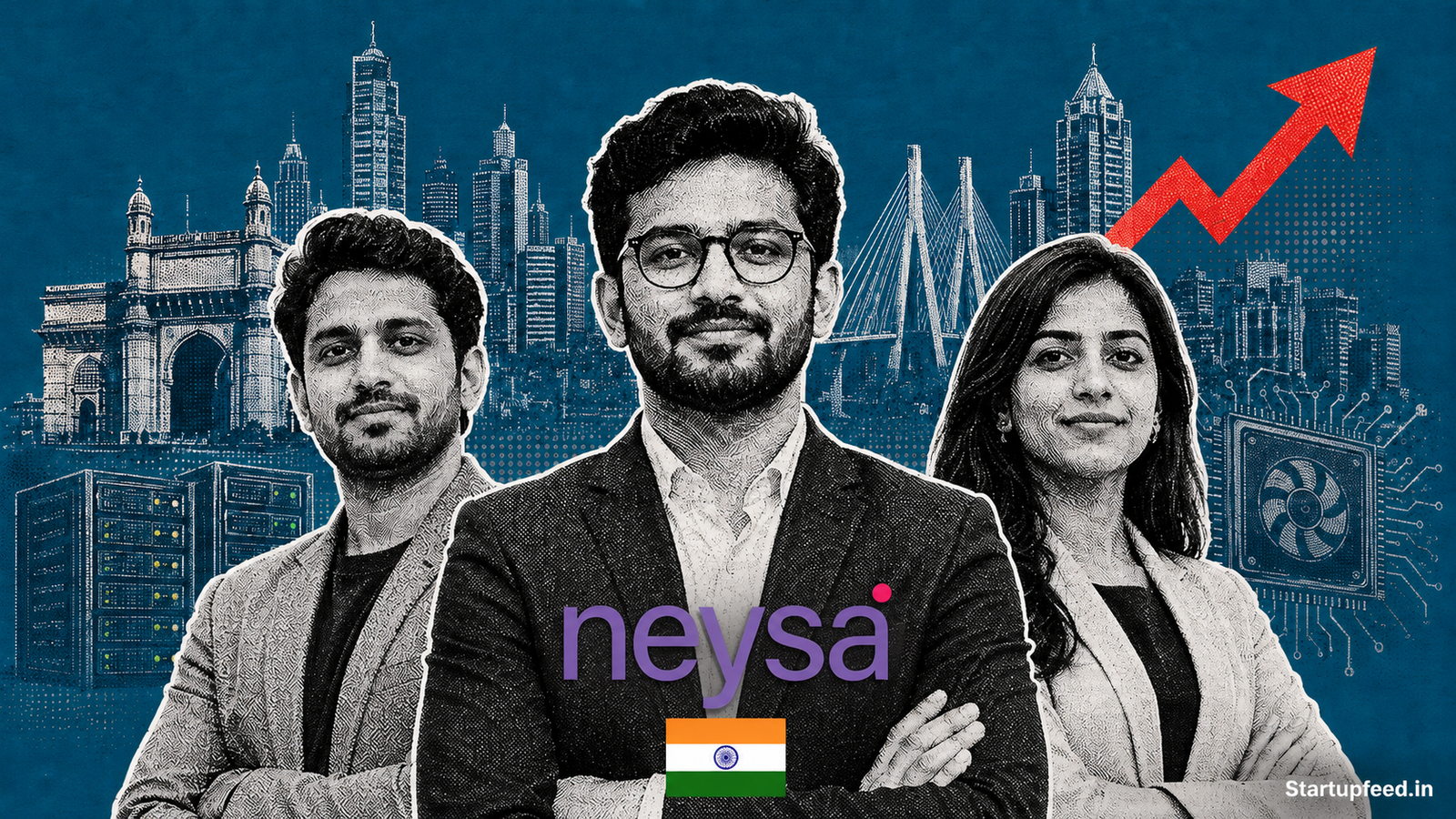
The panel brought together Sharad Sanghi, co-founder and CEO of Neysa, Aakrit Vaish, co-founder of AI-focused venture fund Activate, and Naiyya Saggi, founder of consumer-tech startup EDT. Their shared view: Mumbai’s financial infrastructure, subsea cable connectivity, and deep enterprise concentration give it an edge no other Indian city can match right now.
StartupFeed Insight
The Mumbai AI Hub discussion arrives as Avendus Capital’s May 2026 report forecasts 650,000 to 700,000 GPU deployments in India by 2031, creating a $23 Bn (Rs 1,93,700 Cr) investment wave. Founders and investors who watch this sector closely should note that the enterprise demand driving that GPU surge sits squarely in Mumbai, home to four of the five largest Nifty 50 companies. The city’s existing data centre density means AI infrastructure can be deployed faster here than elsewhere, with shorter distances to enterprise headquarters and lower latency. Watch for Mumbai to consolidate its lead further as Neysa’s $1.2 Bn capital raise deploys 20,000-plus GPUs in the next 12 to 18 months. By StartupFeed Desk.
Why Is Mumbai India’s Top AI and Data Centre City?
| Metric | Detail | Notes |
|---|---|---|
| Share of India’s data centre capacity | ~50% (CBRE: 53%) | Avendus and CBRE figures for 2025-26 |
| Subsea cable advantage | Multiple international cable landings | Lowest-latency international connectivity in India |
| Enterprise concentration | 4 of 5 largest Nifty 50 companies | BFSI, media, consumer internet sectors |
| India’s overall data centre capacity (2025) | 1.6 GW built, 3+ GW pipeline | Expected to reach ~5 GW by 2030 at 26% CAGR |
| GPU deployment target (national, 5 years) | 650,000 to 700,000 GPUs | Avendus Capital report, May 2026 |
Mumbai’s grip on data centre supply is not accidental. The city sits at the junction of India’s financial markets, its largest stock exchanges, and the country’s primary subsea cable landing points. That physical advantage predates AI, and it now becomes an AI accelerant.
About Neysa: India’s AI Cloud Pioneer
Neysa is a Mumbai-based AI acceleration cloud provider founded in 2023 by Sharad Sanghi and Anindya Das. The company offers GPU-as-a-Service, AI Platform-as-a-Service, and Inference-as-a-Service to enterprises, government entities, and AI labs. Sanghi previously built and ran Netmagic, India’s first large private data centre, which NTT acquired. Neysa raised $1.2 Bn (Rs 10,080 Cr) in February 2026, with Blackstone leading $600 Mn in equity, alongside Teachers’ Venture Growth, TVS Capital, 360 ONE Assets, and Nexus Venture Partners. The company plans to deploy over 20,000 GPUs in India. See more AI infrastructure news on StartupFeed.
What Are Mumbai’s AI Founders Saying?
Sanghi’s statement at the TEAM event was direct: Mumbai is already the data centre capital of India, and nearly 50% of the country’s data centre capacity sits in this city. His follow-on argument was that the next wave of AI adoption will be driven by enterprises, and Mumbai is where those enterprises are headquartered.

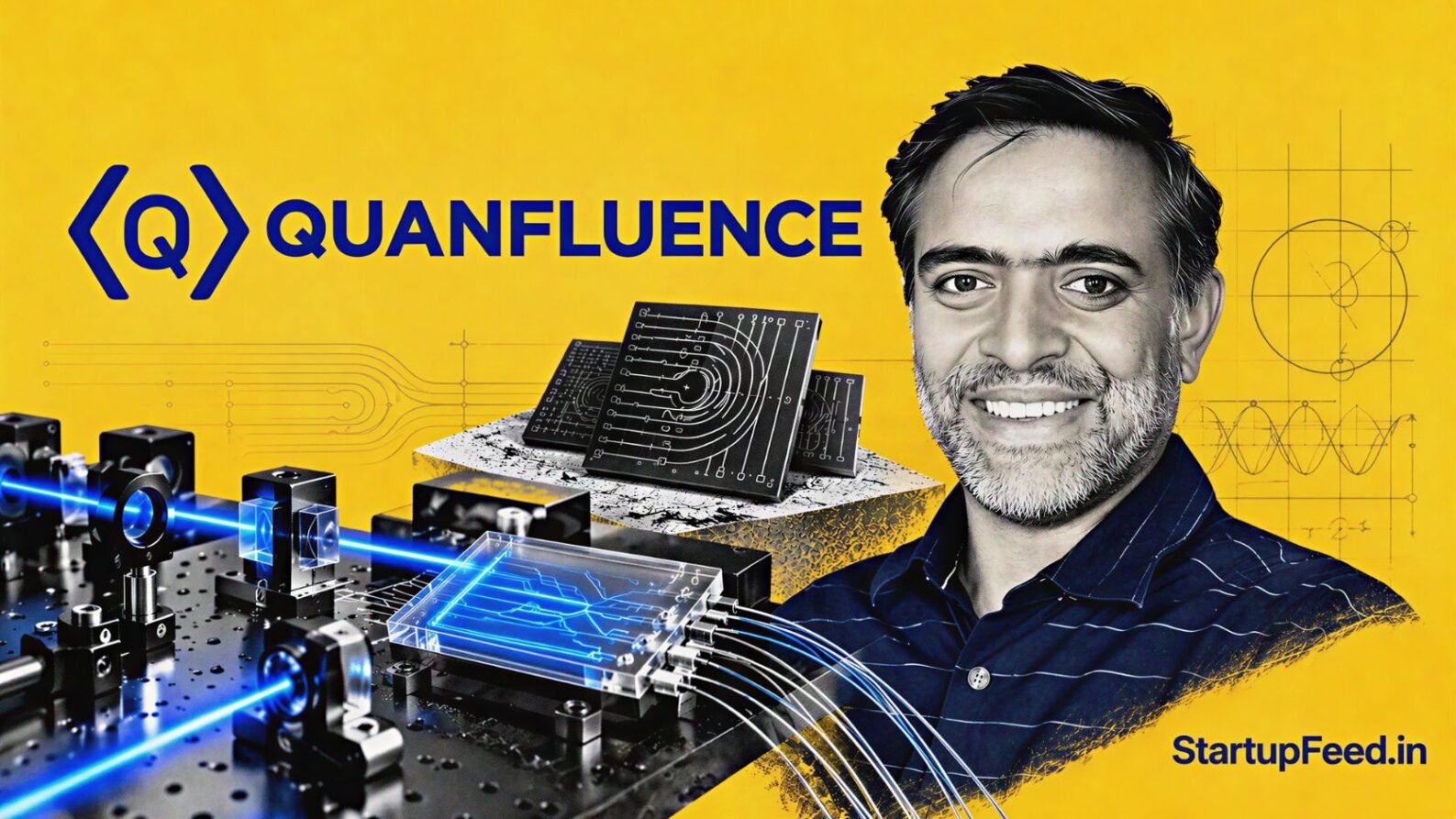
“The next wave of AI adoption will be enterprise-led, and Mumbai is where those enterprises are headquartered.”
Sharad Sanghi, Co-founder and CEO, Neysa
Aakrit Vaish, who co-founded the $75 Mn (Rs 6,300 Cr) early-stage AI fund Activate in December 2025 alongside Pratyush Choudhary, added a talent dimension. He noted that 93% of core AI research talent globally remains concentrated within a five-mile radius in Silicon Valley. India, with Mumbai producing one of the country’s largest engineering talent pools, has a specific role to play in closing that gap for Indian enterprises and AI labs. Read more about recent AI funding deals on StartupFeed.
Naiyya Saggi, founder of EDT and previously the co-founder of parenting platform BabyChakra and Good Glamm Group, pointed to sectoral demand. She highlighted that BFSI (banking, financial services, and insurance), healthcare, media, and consumer internet sectors in Mumbai are increasingly adopting AI-led solutions, feeding demand for local compute infrastructure.
How Big Is the GPU Demand Wave Ahead?
A May 2026 report by investment bank Avendus Capital put numbers to the opportunity. AI adoption could push 650,000 to 700,000 GPU deployments in India’s data centres over the next five years. That creates a $23 Bn (Rs 1,93,700 Cr) investment opening and requires India’s built data centre capacity to nearly triple, from 1.6 GW in 2025 to about 5 GW by 2030, growing at a 26% CAGR (compound annual growth rate).
The data centre sector has already seen $5 Bn in transaction activity over the last three years, according to Avendus. More than 38,000 GPUs have been committed under the IndiaAI Mission, with over 22,000 allocated for near-term deployment. Traditional data centres built for cloud storage are being replaced by GPU-intensive AI-ready facilities requiring liquid cooling and higher rack density.
How Does Mumbai Compare to Other Indian Cities?
| City | Share of India’s Data Centre Capacity | Key Advantage |
|---|---|---|
| Mumbai | ~50 to 53% | Subsea cables, BFSI enterprises, established operators |
| Chennai | ~15 to 18% | Strong subsea cable landings, IT hub, Equinix presence |
| Hyderabad | ~10 to 12% | Growing tech campus density, lower real estate costs |
| Bengaluru | ~10% | Tech startup density, rising AI developer community |
Mumbai’s closest competitor, Chennai, benefits from its own subsea cable landings and a fast-growing IT ecosystem. Bengaluru has the highest startup density but a smaller share of data centre supply. For AI workloads that serve large financial institutions and regulated sectors, Mumbai’s combination of proximity, compliance environment, and existing infrastructure remains the strongest case.
What Comes Next for the Mumbai AI Hub?
Neysa’s $1.2 Bn capital raise is the most immediate signal. The company targets deploying over 20,000 GPUs in India, with Mumbai likely hosting a significant share. Activate’s $75 Mn fund is already investing in early-stage AI founders, many of whom will need cloud compute close to their enterprise clients in the city. The TEAM network, now close to 100 startup founders across sectors, is becoming an informal anchor for Mumbai’s AI ecosystem. Could Mumbai become India’s answer to Silicon Valley’s compute concentration within the next five years?
Frequently Asked Questions
What makes the Mumbai AI Hub the top data centre city in India?
The Mumbai AI Hub holds approximately 50% of India’s total data centre capacity. This comes from a combination of subsea cable infrastructure, financial sector concentration, and the presence of established data centre operators like Neysa, Yotta, and NTT-Netmagic. Four of the five largest Nifty 50 companies are also headquartered in the city, creating natural enterprise demand for local AI compute.
How many GPUs will India’s data centres deploy in the next five years?
According to Avendus Capital’s May 2026 report, India’s AI infrastructure could require 650,000 to 700,000 GPU deployments over the next five years. This creates a $23 Bn investment opportunity. India currently has fewer than 60,000 GPUs deployed, according to Blackstone’s estimates shared at the time of the Neysa funding announcement in February 2026.
What is Activate and why did Aakrit Vaish launch it in Mumbai?
Activate is an early-stage AI-focused venture fund co-founded by Aakrit Vaish and Pratyush Choudhary in December 2025. The fund targets a corpus of $75 Mn and invests $500K to $3 Mn at inception stage in AI-native startups. Vaish, who previously co-founded conversational AI startup Haptik (acquired by Reliance Jio), also co-created the TEAM startup community in Mumbai, which connects over 100 founders in the city.
Liked this story? Follow StartupFeed on Google so our reporting reaches you first.