

Quick Take
- Microsoft is dropping Claude Code internally to control runaway AI token bills.
- Engineers move to its own GitHub Copilot CLI by June 30, 2026.
- This is not an AI ban: Anthropic models stay available via other Microsoft tools.
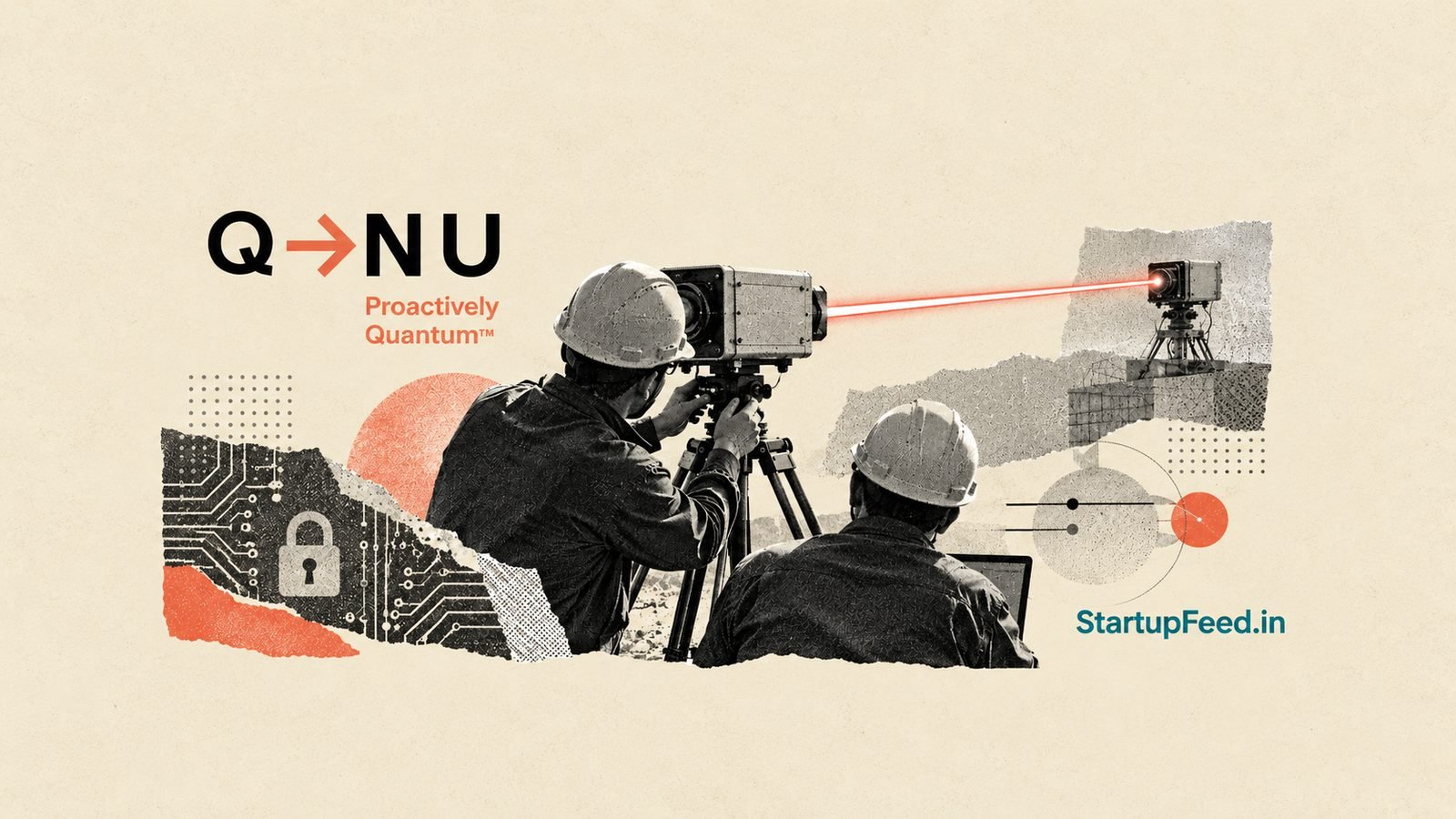
The Microsoft AI cost problem just went public in a big way. Microsoft is cancelling internal licenses for Claude Code, Anthropic’s popular AI coding tool, across one major division. The reason is simple: the bills grew faster than anyone planned.
To be clear, this is not a ban on AI. It is a cost-driven switch. Microsoft is moving engineers to its own GitHub Copilot CLI by June 30, 2026. Anthropic’s Claude models stay available through other Microsoft channels like Copilot and Microsoft Foundry.
StartupFeed Insight
The lesson for Indian founders is the pricing trap, not the tool switch. Agentic AI tools read whole codebases by design. Under token-based billing, that means costs rise the more your team uses the tool, and the better it works. Microsoft, with its huge budget, still got surprised. A seed-stage startup has far less room. Watch this closely: any Indian startup deploying AI coding agents should set usage caps and monitoring before the budget shock arrives, not after. Expect a clear shift toward flat-rate or capped AI pricing in enterprise deals through 2026, as buyers reject open-ended token meters.
What Exactly Did Microsoft Do?
Microsoft is canceling most Claude Code licenses in its Experiences and Devices division. That group builds Windows, Microsoft 365, Outlook, Teams, and Surface. Thousands of engineers are affected.
The cutoff date is June 30, 2026, which is the end of Microsoft’s fiscal year. Engineers must switch to GitHub Copilot CLI, Microsoft’s own command-line coding tool. Claude Code had only been rolled out widely to staff in December 2025. It quickly became popular, even displacing Microsoft’s own tools.
What Is Behind the Microsoft AI Cost Squeeze?
The core issue is token-based pricing. Every time an AI coding tool reads code or writes a reply, it uses billable tokens. Agentic tools that scan entire repositories burn through tokens fast.



So the more useful the tool, the higher the bill. EVP Rajesh Jha framed the move as “toolchain unification.” But the financial angle is clear: cutting expensive third-party licenses before the new fiscal year helps control AI spending. US AI software prices have risen 20% to 37% in the past year.
About the Companies Involved
Microsoft is the US software giant behind Windows and Office, led by CEO Satya Nadella. Anthropic is the AI lab that makes the Claude models and the Claude Code tool. GitHub Copilot is Microsoft’s own AI coding assistant, sold through GitHub, which Microsoft owns. Microsoft has invested heavily in AI, including about $13 Bn in OpenAI, and says it now writes up to 30% of its code using generative AI.
Is Microsoft Alone in Facing This?
| Company | What Happened | Cost Signal |
|---|---|---|
| Microsoft | Dropping Claude Code internally | Token bills ran over budget |
| Uber | Burnt its full 2026 AI coding budget in 4 months | $500 to $2,000 per engineer monthly |
| Meta, Amazon | Running internal “token budgeting” programs | Monitoring team token use closely |
The pattern is industry-wide. Uber’s leadership reportedly questioned whether the spend was worth it. Goldman Sachs has forecast that agentic AI could drive a 24-fold rise in token use by 2030.
What Does This Mean for Startups?
AI tools can become more expensive exactly when they work best. That breaks the old software pricing model, where a fixed license fee covered heavy use. With tokens, heavy use means a heavy bill.
Deployment accelerates, spending surpasses what was budgeted, and companies pull back or redirect to cheaper alternatives.
This view, shared in coverage by TheStreet, captures the risk for founders. Indian startups racing to add AI features should model token costs early. A tool that looks cheap in a demo can blow a monthly budget at scale.
What’s Next
Watch the pricing shift. GitHub Copilot is moving to usage-based billing from June 2026, while many buyers now want flat-rate or capped deals. The real test is whether token costs fall faster than usage rises. Will your startup’s AI tools save money next year, or quietly become your biggest software bill?
Frequently Asked Questions
Did Microsoft ban its employees from using AI?



No, Microsoft did not ban AI. It is dropping internal access to Claude Code, one third-party tool, in its Experiences and Devices division by June 30, 2026. Engineers move to its own GitHub Copilot CLI. Anthropic’s Claude models stay available through other Microsoft tools.
What is driving the Microsoft AI cost problem?
Token-based pricing is the main driver of the Microsoft AI cost problem. AI coding tools charge per token used, so costs rise sharply with heavy use. Claude Code became very popular among Microsoft engineers, pushing bills well above budget ahead of the fiscal year close.
Why does this matter for startups?
It matters because AI tools can cost more the more you use them. Under token pricing, a useful tool can blow a monthly budget at scale. Even Uber burned its full 2026 AI budget in four months. Startups should set usage caps and monitor token spending early.
Liked this story? Follow StartupFeed on Google so our reporting reaches you first.