
Published: October 29, 2026
StartupFeed Quick Take
- WiSig Networks, a startup incubated at IIT Hyderabad, showed three homegrown systems to PM Narendra Modi at ESTIC 2026 on October 27.
- Its uplink waveform, built at IIT Hyderabad in 2014, is now part of a 3GPP Release 17 global 5G standard used worldwide.
- WiSig holds 160 patents in 5G, 24 of them standard-essential, and is now taking its work into 6G.
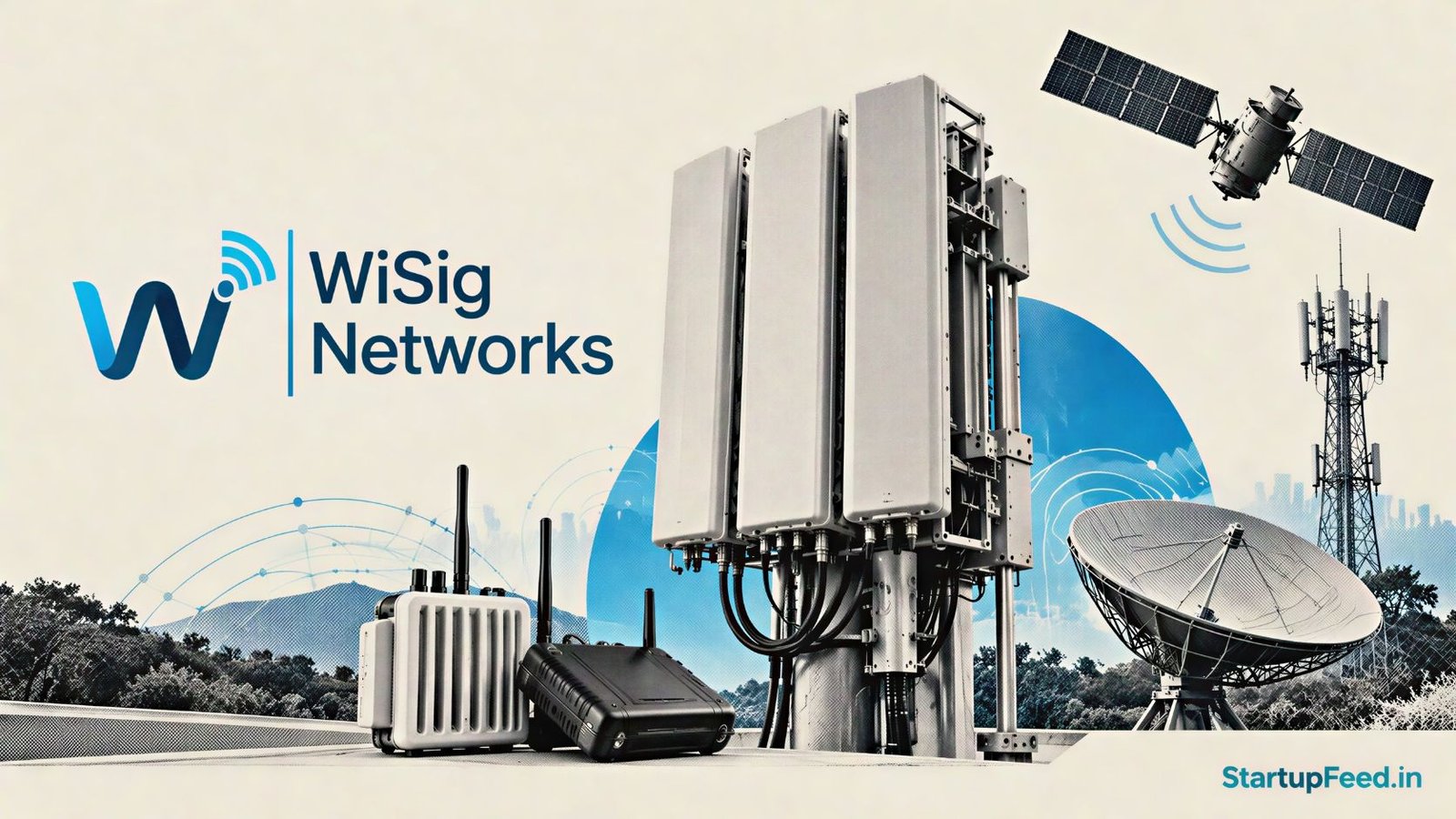
WiSig Networks, a startup incubated at IIT Hyderabad, showed Prime Minister Narendra Modi its homegrown 5G, 6G and satellite-messaging tech at ESTIC 2026 on October 27.
ESTIC 2026, the Emerging Science, Technology and Innovation Conclave, ran at Bharat Mandapam in New Delhi from October 27 to 29. Modi stopped at the WiSig stall, watched the demos and asked about the 6G research at IIT Hyderabad.
WiSig is not a household name, but its reach is wide. IIT Hyderabad’s media release dates its best-known work to 2014. That waveform is now part of a global 5G standard set by a body called 3GPP.
What WiSig Networks Showed at ESTIC 2026
At ESTIC 2026, WiSig showed the Prime Minister three homegrown systems. One was a small device that sends messages over satellites where there is no signal. Another was a 5G network already live in rural India, serving homes, gram panchayats, anganwadis and schools.
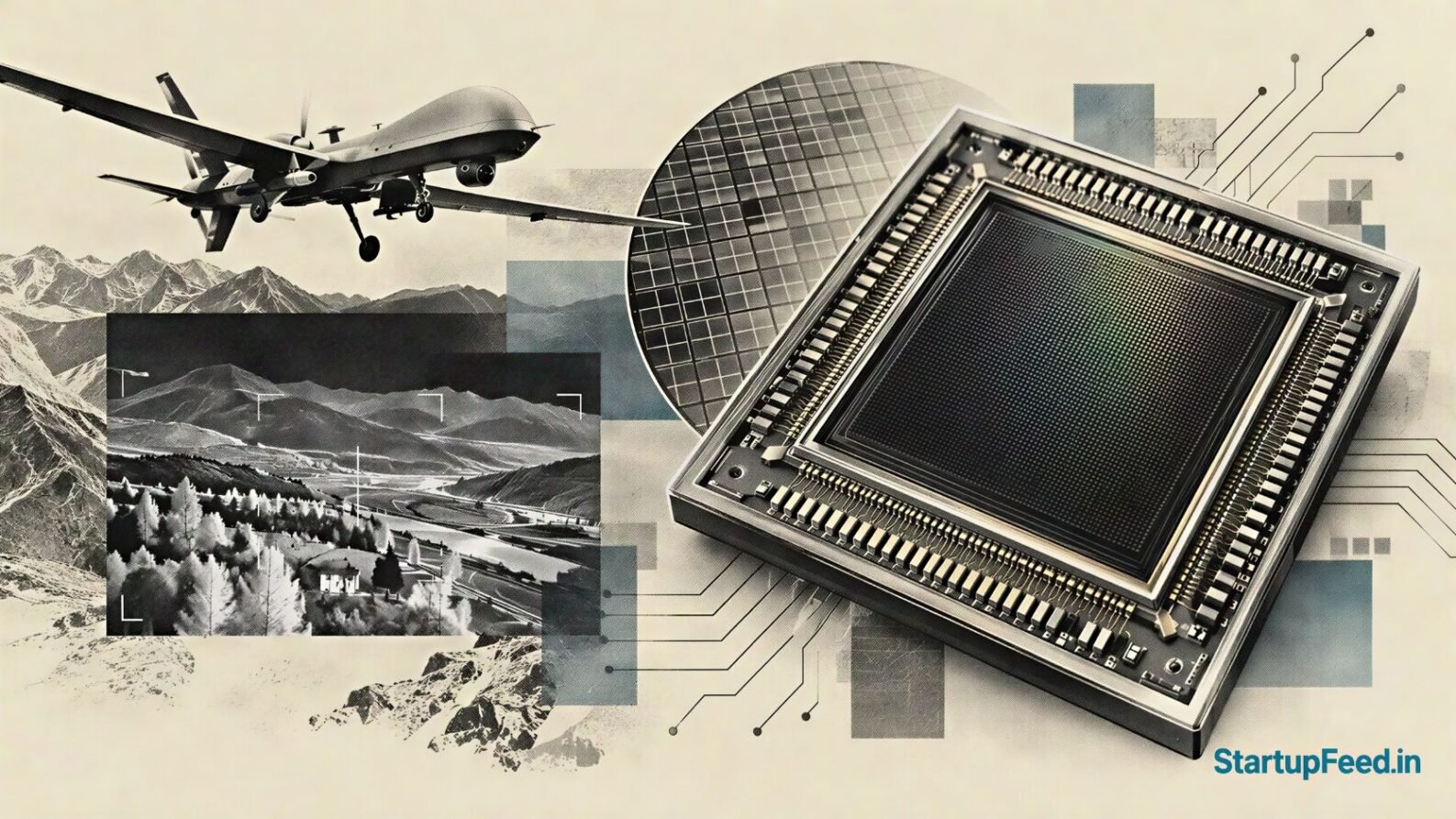


The third was early 6G technology, the standard that will follow 5G. The conclave itself is a national event. The Council of Scientific and Industrial Research ran it under the Office of the Principal Scientific Adviser.
About 150 deep-tech startups set up stalls across 12 subject areas. Modi opened the event on October 27. At the WiSig stall, he asked about the 6G work under way at IIT Hyderabad and at WiSig itself.
Radios and chips that carry mobile signals are what WiSig makes. These are designed in India, for Indian networks first.
From a 2014 Waveform to a Global 5G Standard
The journey to a global 5G standard began with one waveform, built at IIT Hyderabad in 2014. It was meant to fix a weak spot in mobile networks. Phones send data back to towers on a weak uplink, which limits video calls and uploads.
That project reached the global stage in mid-2025. The standards body 3GPP folded the waveform into its Release 17 rules. The same IIT Hyderabad and WiSig team is now working on 6G.
The patent pile is deep: in 5G, WiSig holds 160 patents. Of these, 24 are standard-essential, so other makers must license them to build matching gear.
| Year | WiSig milestone |
|---|---|
| 2014 | Uplink waveform designed at IIT Hyderabad |
| 2021 | “Koala”, India’s first 5G NB-IoT chip, unveiled |
| 2025 | Waveform accepted into 3GPP Release 17 global standard |
| 2026 | 32TR Massive MIMO 5G radio opens for commercial orders |
The research also turned into hardware. This month, WiSig opened orders for a 5G radio, a 32TR Massive MIMO unit. Massive MIMO packs many antennas together to serve more users and extend range.



Kiran Kumar Kuchi, who founded WiSig and teaches electrical engineering at IIT Hyderabad, tied the radio to the lab work:
“This radio is the result of years of research in massive MIMO and uplink receiver algorithms at IIT Hyderabad and WiSig.”
Kiran Kumar Kuchi, founder, WiSig Networks, and professor, IIT Hyderabad. From WiSig’s radio launch statement, October 2026.
Partners, From Viasat to Sharp of Japan
Partners run through most of this work. For the satellite link, WiSig paired with Viasat, which runs a worldwide L-band satellite network and serves India through BSNL. The chip handles two-way messaging and location, and runs for years on a small battery.
Other tie-ups show the same pattern. With Japan’s Sharp Semiconductor, WiSig ran field trials of Beyond-5G and 6G gear at IIT Hyderabad. The trials aimed at uses like fixed wireless and vehicle-to-vehicle links.
It also built 5G Open RAN gear with C-DOT, a government telecom lab, under the Atmanirbhar Bharat push. Open RAN lets operators mix network parts from different vendors.
Together, these deals put India-designed chips into tests with global operators and government labs. Each one started from research at IIT Hyderabad.
Why an Indigenous Telecom Startup Matters for India
An Indian-built 5G and 6G stack cuts the country’s reliance on imported network gear. For years, Indian operators bought most radios and core systems from foreign vendors. A home-grown option now exists, designed and tested in India by WiSig.
The timing fits a wider national push. India has set up about 100 5G labs and wants a tenth of the world’s 6G patents by 2030. The Bharat 6G Alliance, backed by the Prime Minister, has signed international tie-ups toward that goal.
Public money, not venture capital, has funded most of this work. Grants came through government missions in telecom and IT. For founders, the lesson is plain: in deep tech, patents and standards can matter more than a big raise.
What this means for you: If you build telecom hardware or run a rural network in India, WiSig’s indigenous 5G radio is now an Indian option you can order. Its 32TR Massive MIMO radio opened for commercial orders this month, and WiSig offers 24 of its patents for licensing.
StartupFeed Insight
This is the rare Indian startup whose scoreboard is patents, not funding rounds. Those 160 patents, plus a 3GPP Release 17 win, give WiSig something a press release cannot. Few startups hold a seat where global 5G and 6G rules are written; WiSig does. The money question is different here. Watch for licensing deals and the first large orders, from BSNL, defence buyers or rural network projects, rather than a flashy raise. If the 32TR radio lands a public-sector order by mid-2027, the 2014 lab bet will have paid off in revenue, not just citations.
By Avinash Mishra, Business Correspondent
Have a tip? Write to us at editorial@startupfeed.in.
Liked this story? Follow StartupFeed on Google so our reporting reaches you first.