
Quick Take
- UPI turned 10 on August 25, 2026. It now handles more than 66 crore transactions a day.
- Annual volume grew from 1.78 crore in FY17 to 24,162 crore in FY26. That is a jump of nearly 13,000 times.
- The design choice that made it work was open APIs and full interoperability, set in 2016 by NPCI.
The Unified Payments Interface (UPI) completed 10 years on August 25, 2026. The platform now processes more than 66 crore transactions every day. It began as a fix for a clunky older system, not as a grand plan.
Annual transaction volume rose from 1.78 crore in FY17 to more than 24,162 crore in FY26, the Ministry of Finance said on August 24, 2026. Transaction value climbed from Rs 7,000 crore to about Rs 314 lakh crore over the same decade. That is a rise of nearly 13,000 times in value.
The number of banks live on the network grew too. It went from 44 in FY17 to 703 in FY26, the Ministry of Finance said. By July 2026, 741 banks were live.
How did UPI actually start?
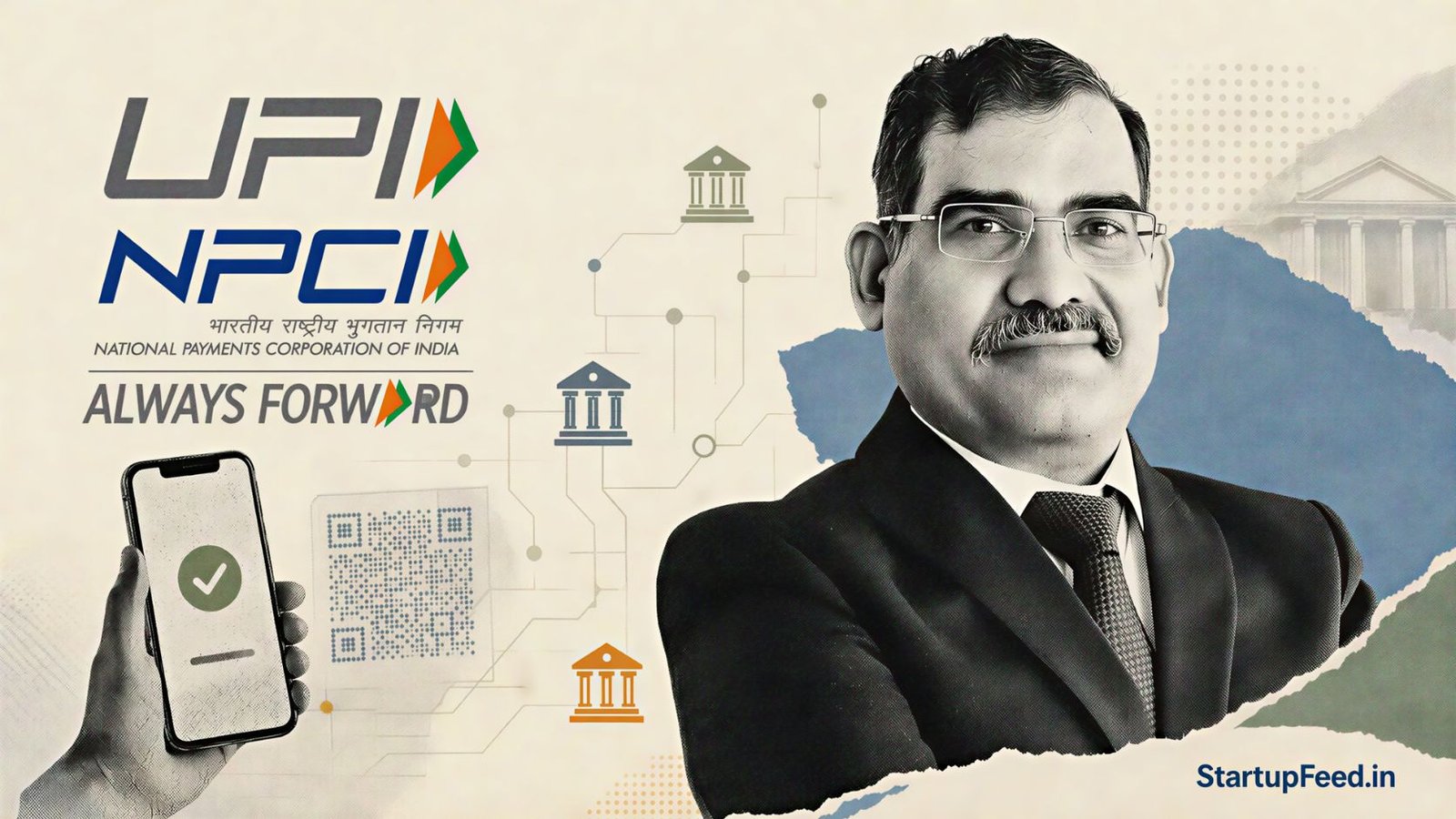
UPI started as an attempt to fix the Immediate Payment Service (IMPS), an older bank-to-bank transfer system. That is according to AP Hota, the founding chief of the National Payments Corporation of India (NPCI). Hota spoke to the Times of India for its August 25, 2026 report.
IMPS worked, but it was hard to use. Merchants who wanted to accept it could not get paid quickly. The system did not handle merchant payments well.
So NPCI set three goals for the new system. It had to simplify merchant payments. It had to bring in non-bank payment firms. And it had to cut the cost of e-commerce payments, Hota told the Times of India.
The team also made one call that shaped everything after. They chose to build on open-source technology and open APIs. An API, or application programming interface, is a set of rules that lets one app plug into another.
“UPI began as an attempt to redesign IMPS so as to simplify merchant payments, involve non-bank payment providers, and adopt open-source technology and APIs,” Hota said in the Times of India report.
Who designed the interoperable framework?
The interoperable framework was shaped largely by Nandan Nilekani and NPCI technology architect Pramod Verma. That is according to AP Hota, speaking to the Times of India. Nilekani is the co-founder of Infosys and the former chairman of the UIDAI, the body behind Aadhaar.
Interoperability is the reason UPI feels seamless to a user. It means any UPI app can pay any other UPI app. A PhonePe user can pay a Google Pay user without either one thinking about it.
Verma built the API-driven architecture that made this work, Hota said. That same open, interoperable design is now what other countries want to copy. It is the core of India’s Digital Public Infrastructure (DPI).
The design solved a real problem early. Most payment systems lock users inside one app or one bank. UPI did the opposite. It made the app you choose almost irrelevant.

How big is UPI now?
UPI is now the world’s largest real-time payment system by volume. The International Monetary Fund (IMF) has recognised it as such. It accounted for nearly 49% of global real-time payment volume in 2025, the Ministry of Finance said.
Growth is still climbing in 2026. Monthly transactions crossed 2,300 crore for the first time in May 2026, reaching 2,320 crore. They hit a record 2,366 crore in July 2026. July’s transaction value was Rs 29.88 lakh crore.
Merchant payments now drive the network. They make up 63% of transaction volume, the Ministry of Finance said. And 86% of merchant transactions were below Rs 500 in FY26. UPI has moved from big transfers to daily kirana and tea-stall payments.
The platform has also gone abroad. It is live in 11 countries, including the UAE, France, Singapore, Nepal, Bhutan, Sri Lanka, Mauritius, Qatar, Cambodia, Greece and Maldives.
| Measure | FY17 | FY26 |
|---|---|---|
| Annual volume | 1.78 crore | 24,162 crore |
| Annual value | Rs 7,000 crore | Rs 314 lakh crore |
| Banks live | 44 | 703 |
| Daily transactions (2026) | Pilot phase | 66 crore-plus |
What does UPI at 10 mean for founders?
UPI at 10 means the rails are settled, but the money layer is still open. Payments themselves earn almost nothing. UPI is largely free to users and merchants. The value sits in what you build on top.
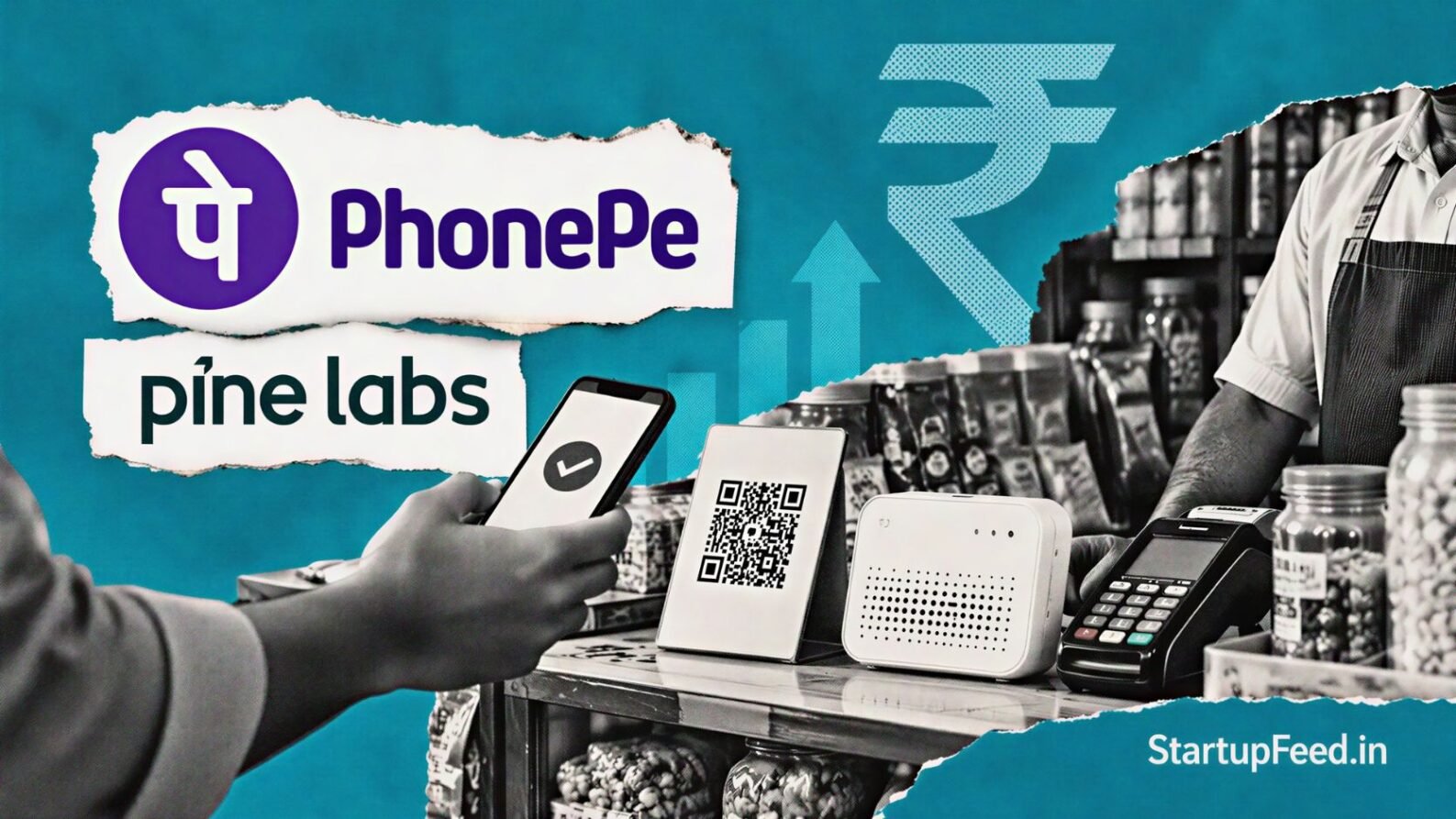
India’s biggest fintech names prove the point. PhonePe, Paytm and Razorpay all built their businesses on UPI rails. None of them makes real money from the basic payment.
The open-API design is the lesson worth copying. It let thousands of apps plug in without asking permission. A founder building today inherits that same open plumbing for free.
What this means for you: If you are building in fintech, treat UPI as free distribution, then earn from lending, insurance or data on top of it.
StartupFeed Insight
The most useful line in AP Hota’s account is that UPI was not designed to be huge. It was designed to be open. The three original goals were narrow: fix merchant payments, let non-banks in, cut costs. Scale was a side effect of getting the architecture right. That is the real playbook for founders. Do not chase reach first. Build something others can plug into freely, then let the network do the growing. Expect the next decade of UPI to be a fight over the layers above payments, not payments themselves. Watch lending and credit-on-UPI closely through 2027.
— Avinash Mishra, Business Correspondent
Frequently Asked Questions
Have a tip? Write to us at editorial@startupfeed.in.
Liked this story? Follow StartupFeed on Google so our reporting reaches you first.