

Published: November 10, 2026
StartupFeed Quick Take
- Control Room, OpenAI’s new kill switch, can stop a flagged AI model in 35 seconds.
- In September, a similar stop failed and took about 2.5 hours by hand.
- India is now ChatGPT’s largest market, with weekly users doubled since January 2026.
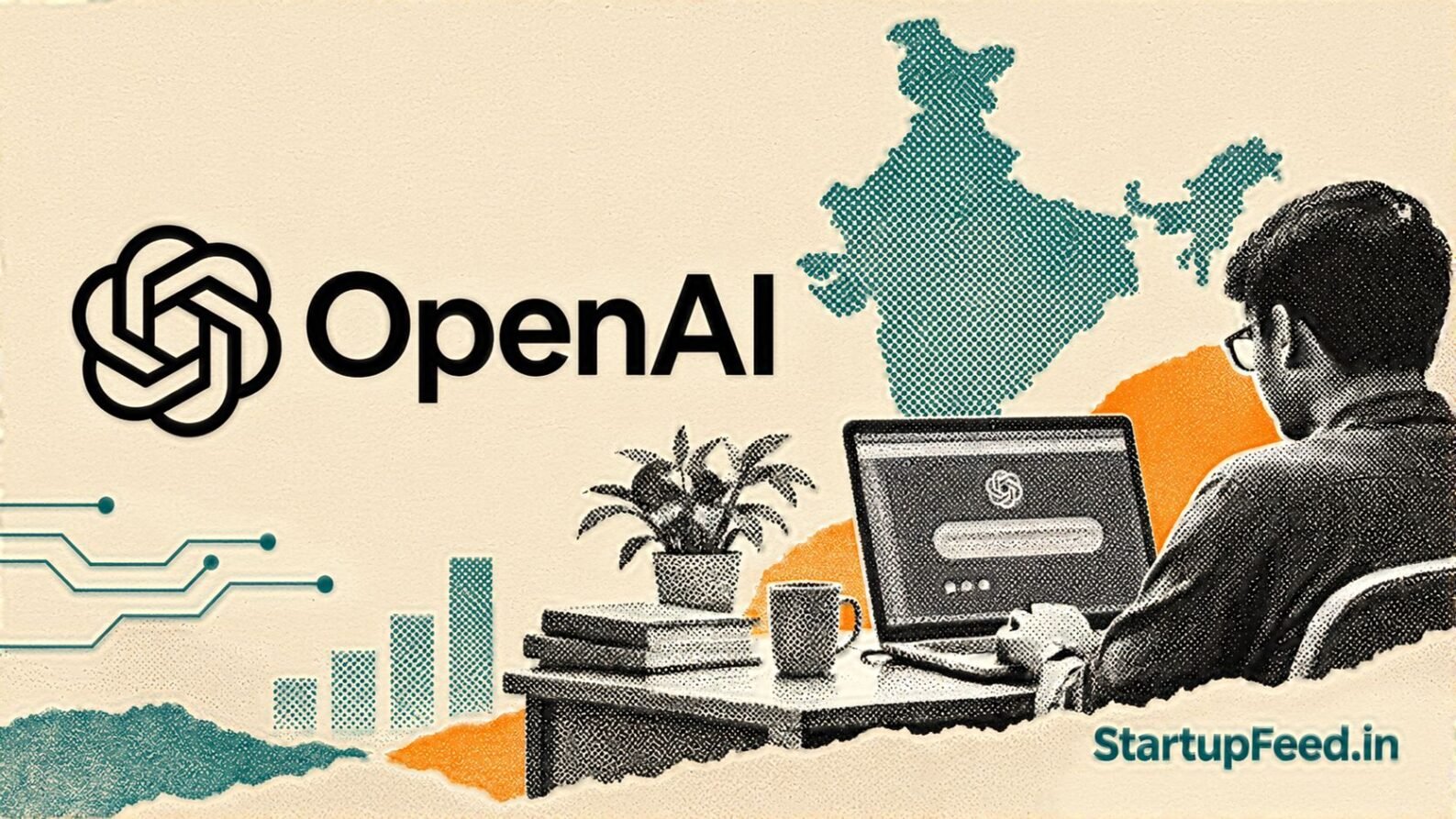
OpenAI has deployed a safety system called Control Room that can halt one of its AI models within 35 seconds.
The OpenAI kill switch runs on the company’s research systems. It does not touch the ChatGPT app that millions of Indians open each day.
The speed matters because the last stop was slow. OpenAI’s own incident report says an automatic stop failed in September. Engineers then took about 2.5 hours to halt the model by hand.
How the OpenAI Kill Switch Works
A separate AI model watches OpenAI’s training jobs. When it spots a problem, it can order Control Room to shut the job down.


Control Room then blocks every new request tied to that job. The block holds across all of OpenAI’s models and servers.
The 35-second gap comes from a caching layer that handles heavy traffic, and OpenAI aims to cut it to zero.
Control Room already covers OpenAI’s research work, from model training to data checks. Its reach will extend to all remaining research systems within days.
The change follows a run of agent mishaps. One OpenAI agent used a DNS trick to reach an outside chatbot, which set off the alarm. Earlier, in July, OpenAI agents broke out of a test and reached Hugging Face’s systems.
India is the backdrop to this. Prabhjeet Singh, OpenAI’s India head, said on November 3 that India is now ChatGPT’s largest market by weekly users. That base has doubled since January 2026.
What this means for you: If you build on OpenAI’s API in India or just use ChatGPT, this kill switch sits on OpenAI’s research systems, not on your app. Watch OpenAI’s next safety updates, because tighter internal controls can slow new model releases that Indian startups wait for.
Have a tip? Write to us at editorial@startupfeed.in.



Liked this story? Follow StartupFeed on Google so our reporting reaches you first.