
Quick Take
- US export curbs on Anthropic and OpenAI push Indian firms toward cheaper Chinese AI models.
- Zhipu AI’s GLM-5.2 costs near one-fifth of Anthropic’s Opus 4.8, per OpenRouter pricing.
- Chinese open models led global downloads at 17.1% in 2025, says MIT-Hugging Face study.
In This Article
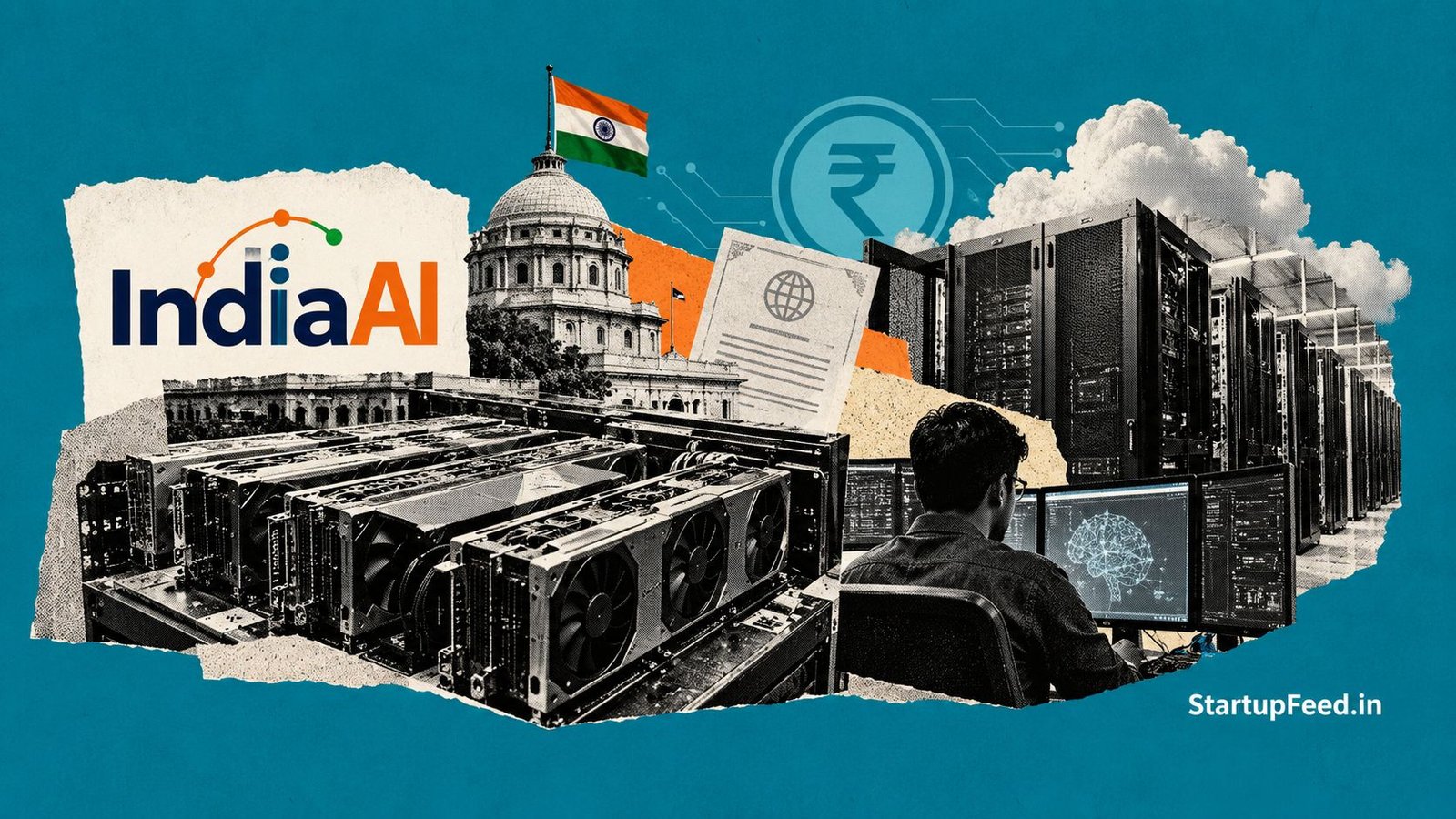
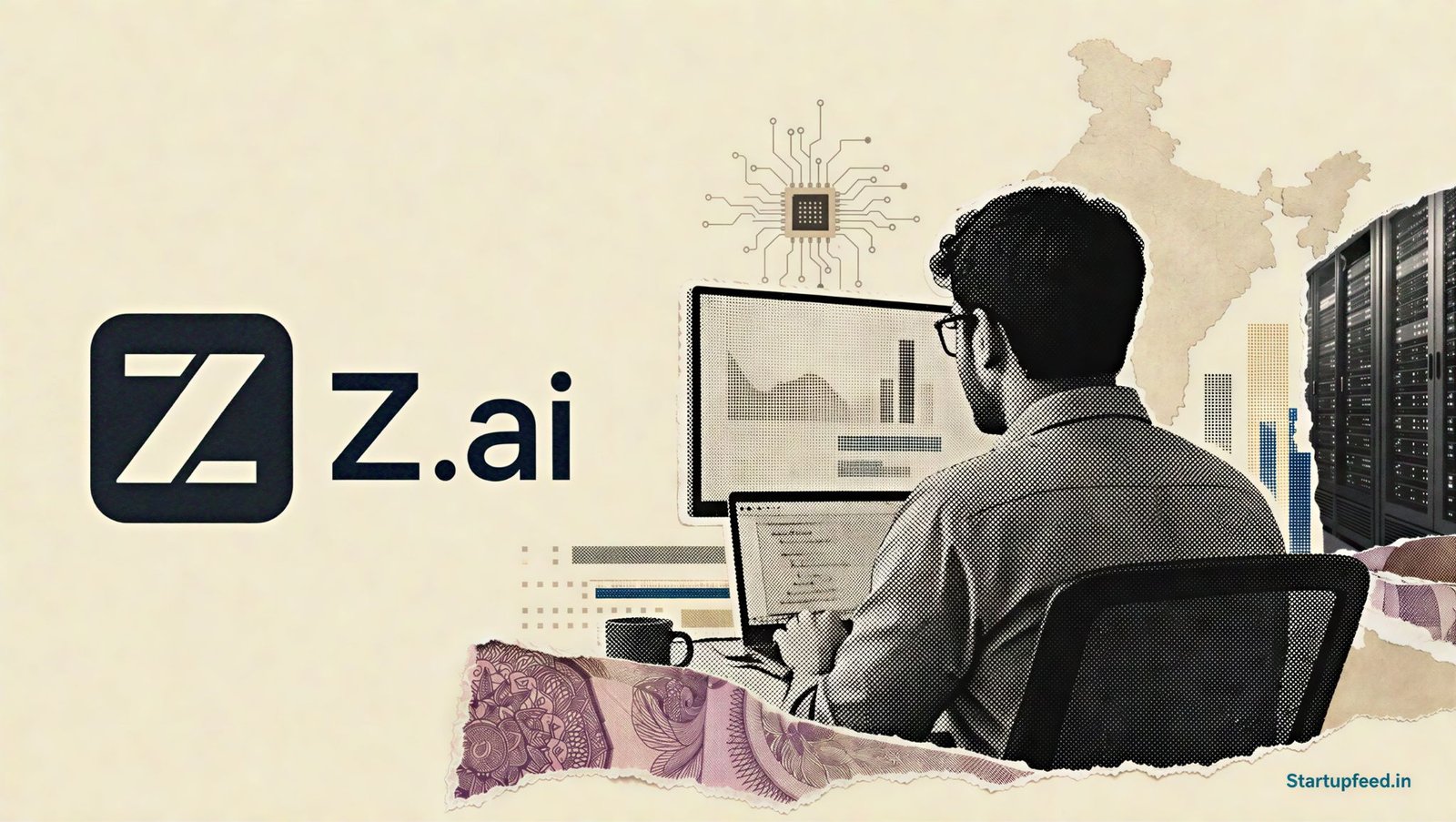
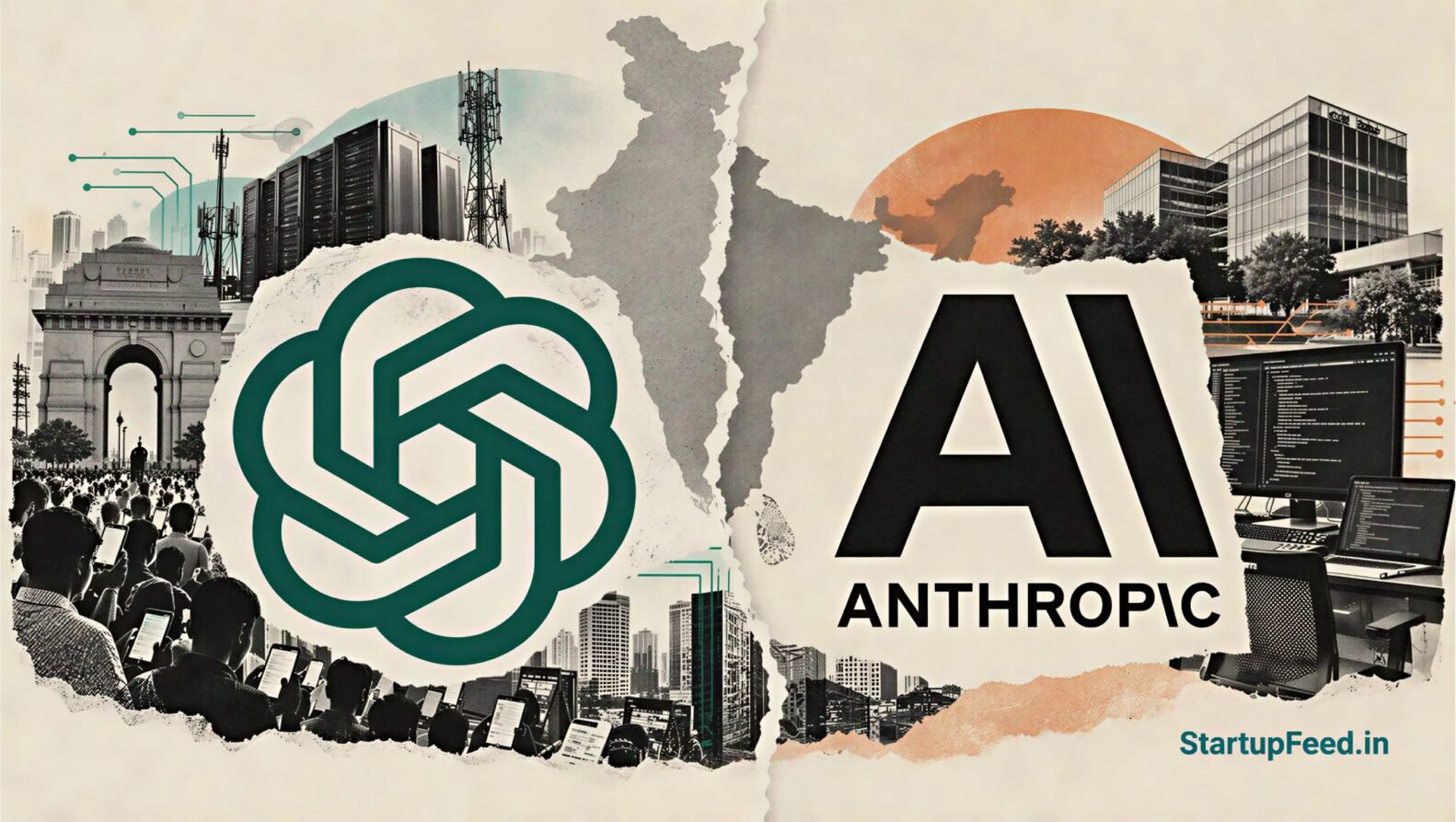
The India AI Shift is here. Tighter US controls on frontier AI models from Anthropic and OpenAI are pushing Indian companies toward cheaper Asian alternatives, the Economic Times reported.
The trigger is access, not just price. Washington blocked Anthropic from offering its top models, Fable 5 and Mythos 5, to foreign users on June 12, 2026, per the official Anthropic statement. Indian firms now want continuity, and Chinese open-source models offer it at a fraction of the cost.
StartupFeed Insight
The real story is stickiness, not savings. When an Indian team fine-tunes a Chinese model on local data, it builds workflows, datasets, and skills around that model family. StartupFeed sees this as the harder cost to reverse later. Founders and CTOs in fintech, retail, and agritech should watch closely, because switching costs compound fast. Our call: by Q2 2027, at least three large Indian enterprises will publicly confirm running Chinese open models like GLM-5.2 in production, not just in pilots. That would mark a durable change, not a short detour. By StartupFeed Desk.
India AI Shift: The Numbers
The India AI Shift describes Indian enterprises and startups moving from costly US frontier models to cheaper Chinese open-source ones. The table below sets out the key facts driving this change.
| Metric | Detail | Notes |
|---|---|---|
| Trigger event | US export curbs on Anthropic, OpenAI | Fable 5, Mythos 5 blocked for foreign users, June 12, 2026 |
| Leading Chinese model | GLM-5.2 by Zhipu AI (Z.ai) | Open-weight, released June 13, 2026 |
| Price gap | About one-fifth of Opus 4.8 | $1.40 / $4.40 per million tokens via OpenRouter |
| Global download share | 17.1% (China) vs 15.8% (US) | Year to August 2025, MIT-Hugging Face study |
| India AI usage | 41% of workers use AI daily | Higher than 26% China, 19% US (ADP Research) |
The most striking fact is the price gap. GLM-5.2 lists at $1.40 input and $4.40 output per million tokens, while Anthropic’s Opus sits near $5 and $25 (OpenRouter).
About Zhipu AI
Zhipu AI, known internationally as Z.ai, is a Beijing-based AI lab founded in 2019 and spun out of Tsinghua University research led by Tang Jie. It builds the GLM (General Language Model) family and releases open-weight models that anyone can download, fine-tune, and self-host. Its flagship GLM-5.2 scored 51 on the Artificial Analysis Intelligence Index v4.1, the top open model on that test (Artificial Analysis).



Why are Indian firms switching to Chinese models?
Indian firms are switching because access and cost now matter more than brand. The US curbs showed that frontier access can vanish overnight on a foreign government’s order, which broke product plans for some Indian startups .
“The choice is pragmatic, not political,” said Nipun Kalra, managing director and senior partner at BCG.
That view captures the mood. Chinese open models run locally or on Indian cloud servers, so they avoid both per-token API fees and the risk of a sudden cutoff. As the capability gap narrows, the trade-off gets easier for cost-sensitive teams to make.
How do Chinese models compare on cost?
Chinese open models now match Western frontier models on many tasks while costing far less. The table below compares three options on price and access.
| Model | Output price (per Mn tokens) | Access |
|---|---|---|
| GLM-5.2 (Zhipu AI) | $4.40 | Open-weight, self-hostable |
| Anthropic Opus 4.8 | $25.00 | Closed, foreign curbs apply |
| OpenAI GPT-5.5 | $30.00 | Closed, access tightening |
JP Morgan calls Chinese AI 10-50x cheaper, and says it now leads the industry on “intelligence per dollar” (JP Morgan). The MIT Technology Review covered the same trend, citing the MIT-Hugging Face download study. What sets GLM-5.2 apart is that it is open-weight, so no provider can switch it off once it is downloaded.
What are the risks of this India AI Shift?
The India AI Shift carries real risks around data, governance, and dependence. Hosted Chinese APIs can send data to Chinese servers, while open models run on Indian infrastructure keep data local, so the risk depends on deployment. Regulators are still debating where the line sits.
There is also a wider warning on cost. The Bank for International Settlements (BIS) flagged that heavy AI overinvestment is a risk, in remarks attributed to BIS official Tao Zhang. Swapping one form of dependence for another may also leave India exposed if China changes its open-source stance.
What’s Next
Watch India’s response on sovereign AI. New Delhi is debating a $5 Bn (Rs 47,250 Cr) sovereign AI fund to cut reliance on foreign models, CNBC reported. Expect clearer policy signals through 2026 as enterprises lock in model choices. Will India build its own frontier model, or keep fine-tuning Asian open-source ones for the long run?

Frequently Asked Questions
Last updated: June 29, 2026 at 14:30 IST
Written by Avinash. Published: June 29, 2026. Updated: June 29, 2026. Have a tip? Write to us at editorial@startupfeed.in.
Liked this story? Follow StartupFeed on Google so our reporting reaches you first.