Quick Take:
|
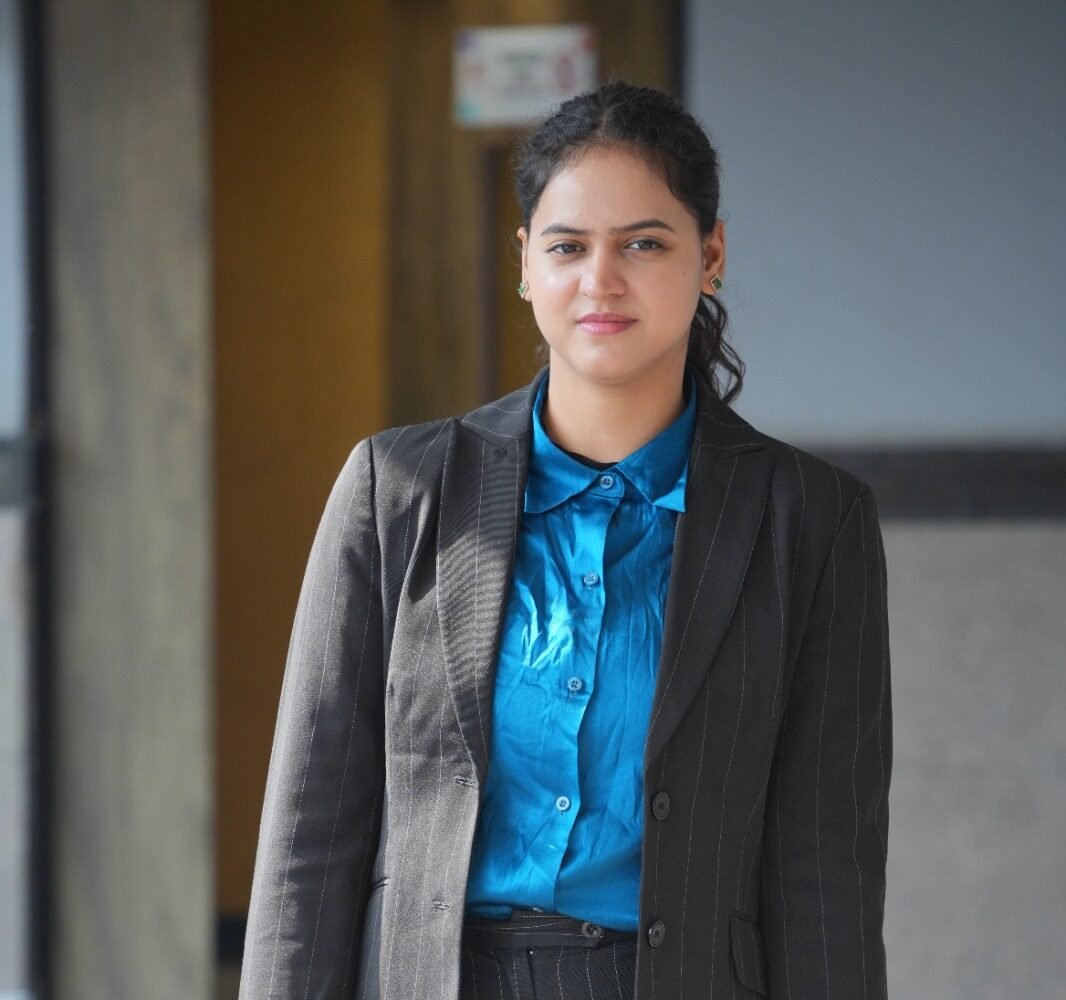
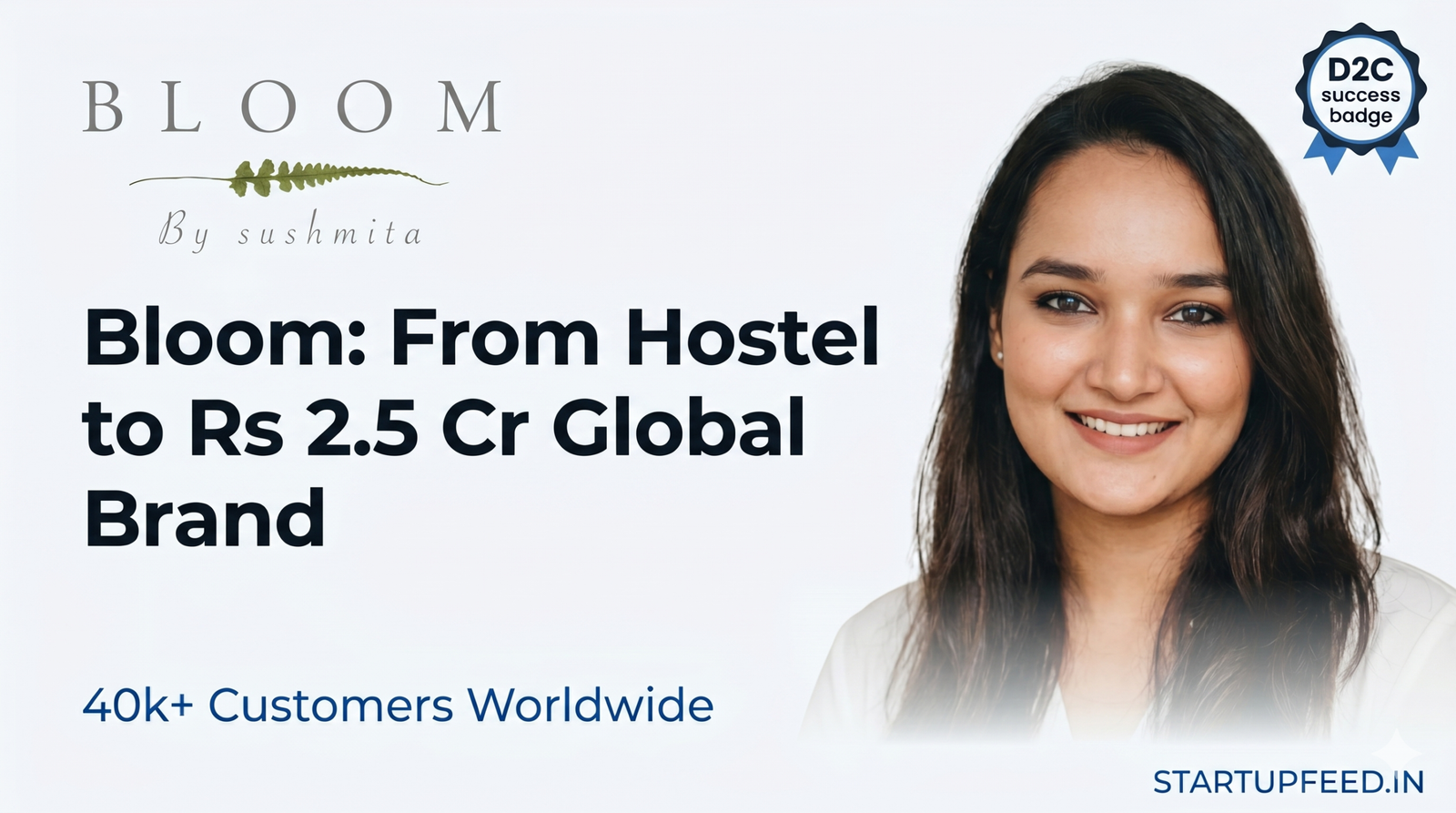
In 2017, in her second year at Royal Global Institution, Guwahati, Sushmita Todi wanted extra money for college events. She did not want to ask her parents. So she looked at what she had — a hostel room, a smartphone, and a rising trend she had noticed on Instagram — and started selling jewellery to whoever would buy.
She had no storefront. No marketing budget. No supplier relationships. No brand name. Just a product she could source, a small audience she was building on social media, and the kind of determination that does not wait for perfect conditions to get started. The first month, she earned Rs 50,000
Seven years later, Bloom by Sushmita is a global D2C jewellery brand that crossed Rs 2.5 crore in revenue in FY26 — with 40-50% of that revenue coming from international markets including the US, UK, UAE, Canada, and Malaysia. Operated by a 100% all-women team from Assam, with manufacturing anchored in Jaipur and a catalogue of 1,500 SKUs, Bloom is proof of something the Indian startup ecosystem rarely highlights: that a woman, in a small town, with no funding and no big-city connections, can build a globally competitive brand entirely on the strength of product, pricing, and social media intelligence.
| StartupFeed Insight — The Bloom Playbook for Women D2C Founders What makes Bloom’s story structurally different from most D2C case studies:
Our prediction: Bloom’s next inflection will come when it crosses the Rs 5 crore ARR mark — the threshold at which it becomes attractive for marketplace partnerships (Myntra, Nykaa, Amazon India) that can reduce its dependence on Meta ad spend. The question for Sushmita is whether to remain DTC-pure or use marketplace scale to fund a larger catalogue and custom design investment. |
Sushmita Todi — The Founder Profile
| Parameter | Details |
| Name | Sushmita Todi |
| Age | 28 years |
| Hometown | Tinsukia district, Assam |
| Family background | Business family |
| Education | B.Com — Royal Global Institution, Guwahati (2018); MBA (distance learning) — Symbiosis University, Pune |
| Job offer declined | PolicyBazaar, Gurugram — Rs 25,000/month (declined in 2018 — concluded the salary would not cover Gurugram’s cost of living) |
| First business activity | 2017, second year of college — hostel room jewellery reselling side hustle, zero investment, Instagram as the storefront |
| Key insight | Rising social media trends were creating demand for affordable, trendy jewellery that traditional markets weren’t serving online |
| First month earnings | Rs 50,000 — via Instagram sales from hostel room |
| Official brand launch | April 2022 — built own e-commerce website; Bloom by Sushmita formally launched |
| Inspiration for brand name | ‘Bloom’ — the journey of growth, from seed (hostel room) to flower (global brand) |

The Revenue Journey — From Rs 0 to Rs 2.5 Crore Bootstrapped
| Period / FY | Milestone | Revenue / Activity |
| 2017 (College, Year 2) | Zero-investment hostel room side hustle — Instagram selling | First month: Rs 50,000; no formal brand, no website, no inventory investment — pure reselling from hostel room |
| 2018–2021 | Post-graduation; declined Gurugram job; returned to Assam; built brand and Instagram presence | Growing follower base; began investing in inventory; building supplier relationships; 149K Instagram followers (as of 2026 account) |
| April 2022 | Official D2C launch — built own e-commerce website (bloombysushmita.com) | Formal D2C infrastructure; own product listings; direct international shipping capability established |
| FY24 (first full website year) | First full year of D2C website operations | Rs 50 lakh in revenue |
| FY25 | Growth phase — expanded catalogue; Meta ads scaling | Rs 1.5 crore — 3x YoY growth |
| FY26 | Rs 2.5 crore — global D2C brand | Rs 2.5 crore — 67% YoY growth; 40-50% from international markets; 40,000+ customers |
“You don’t need massive funding or a big-city address to build a global brand. I started with zero investment, a smartphone, and a hostel room in Assam just so I wouldn’t have to ask my parents for pocket money. Today, Bloom is proving that with the right designs and a deep understanding of social media, you can take affordable luxury to the world.” — Sushmita Todi, founder, Bloom by Sushmita
The Product — What Bloom Makes and Why It Works Globally
| Product Element | Details |
| Primary materials | Oxidised silver, German silver — lightweight, durable, affordable compared to gold and sterling silver |
| Style positioning | Bohemian-influenced, statement pieces; versatile — ethnic and western wear; trend-responsive |
| Price point | Affordable — accessible price tags; ‘affordable luxury’ positioning; designed for regular, everyday use not just special occasions |
| Catalogue size | 1,500 SKUs — one of the widest catalogues in the Indian D2C fashion jewellery segment for a brand of this size |
| Sourcing split | 60% curated from market (Sushmita actively monitors global trends on Instagram and Pinterest); 40% custom in-house designs |
| Manufacturing | Primary: Jaipur (India’s jewellery capital); also Ghaziabad and Delhi for specific raw materials and assembly; 100% Made in India, zero imported raw materials |
| Design process | Sushmita travels to Jaipur every 4-5 months to finalise collections and oversee production personally |
| Collection range | Everyday office wear → festive pieces; target: regular, wearable styles at accessible prices |
| International appeal | Strong resonance with Indian diaspora in US, UK, UAE, Canada, Malaysia — affordable, trend-current, ethnically-rooted jewellery they cannot source locally |
The Business Model — How Bloom Sells and Grows
- D2C Website (bloombysushmita.com): Primary sales channel; direct customer relationship; worldwide shipping capability; zero marketplace commission
- Instagram (149K followers): The original storefront and still the primary brand-building platform; content-first approach; product discovery via Reels and Stories
- Meta Ads: Primary paid acquisition channel — targeted ads on Facebook and Instagram drive website traffic and conversions
- Influencer Marketing: Micro-influencer collaborations for reach expansion; Sushmita’s personal brand account (@sushmitatodi_) as founder-led marketing
- Combo Deals: High-volume, budget-friendly combo packages — a key conversion mechanism particularly effective in the international market where value bundling drives order values
- Festive season strategy: Peak revenue months July-December; earns Rs 25-30 lakhs per month during festive season; this is when international diaspora buyers are most active for gifting and occasion wear
- 40,000+ customer base: Repeat purchase loyalty built through product quality and consistent new design drops — 1,500 SKUs means there is always something new to return for
The All-Women Team — A Commercial and Cultural Statement
From manufacturing and packaging to procurement and daily management, every function of Bloom by Sushmita is run by women, entirely from Assam. This is not a diversity policy statement — it is the operating reality of the company.
For Sushmita, this is both a personal values commitment and a practical business decision. Assam’s smaller towns have significant pools of skilled, motivated women who have limited access to formal sector employment — the kind of work that is intellectually and commercially meaningful, not just task-based labor. By building her entire team locally and exclusively from women, Sushmita has created a model of employment that is genuinely alternative to the dominant Indian narrative that skilled work requires migration to metros.

The commercial logic: A team deeply rooted in the same cultural context as many of Bloom’s buyers — women from Assam who understand festive occasion dressing, everyday versatility, and price sensitivity — has an intuitive product sense that market research cannot fully replicate. The team’s understanding of what a woman in Assam wants to wear, scaled through Sushmita’s Instagram trend-monitoring, is the creative engine behind Bloom’s 1,500-SKU catalogue.
The International Story — 40-50% Revenue from Abroad
Bloom’s international revenue share of 40-50% is one of the most remarkable metrics in the Indian bootstrapped D2C jewellery space. For context: many funded Indian D2C brands with dedicated international marketing teams and logistics partnerships struggle to cross 10-15% international revenue. Bloom achieves 40-50% from Assam, entirely through direct-to-consumer online sales, with no distributors or retail partners abroad.
Why diaspora buyers respond to Bloom:
- Product authenticity: Oxidised and German silver jewellery with Indian design aesthetics is genuinely difficult to source in the US, UK, and UAE at accessible price points. What sells for Rs 300-800 in India costs $15-40 in the diaspora market when available at all — Bloom’s pricing represents significant value for international buyers
- Trend currency: Sushmita’s active Instagram and Pinterest trend monitoring means Bloom’s designs reflect current global fashion directions — not static traditional designs but trend-informed pieces that work with contemporary wardrobes
- Social media as the distributor: Indian diaspora communities in the US, UK, UAE, Canada, and Malaysia are highly active on Instagram. Bloom’s content reaches them organically and through paid ads — the distribution network that would cost millions to build through physical retail or traditional export
What do you think about Bloom by Sushmita’s story? Know a brand like this that deserves more visibility? Tell us on X @StartupFeed_news
Liked this story? Follow StartupFeed on Google so our reporting reaches you first.