


Published: 8, October 2026
StartupFeed Quick Take
- Quanfluence raises $10 Mn (Rs 96.8 crore), led by Chiratae Ventures, with Zerodha’s Rainmatter and Pi Ventures.
- The Bengaluru startup will build a full-stack photonic quantum computer, with early processors due by 2027.
- Its roadmap starts with a four-qubit machine and targets a prototype of about 100 qubits by 2029.
Bengaluru-based Quanfluence has raised $10 Mn to build a full-stack photonic quantum computer, in a round led by Chiratae Ventures on October 7, 2026.
The round is five times the $2 Mn seed Quanfluence took in December 2024. It takes the startup’s total disclosed funding to about $12 Mn.
In its funding statement, Quanfluence said Pi Ventures returned as a backer and Rainmatter by Zerodha joined for the first time.
The money will bring the hardware into one working system. The plan sets early processors by 2027 and larger, scalable machines by 2029.


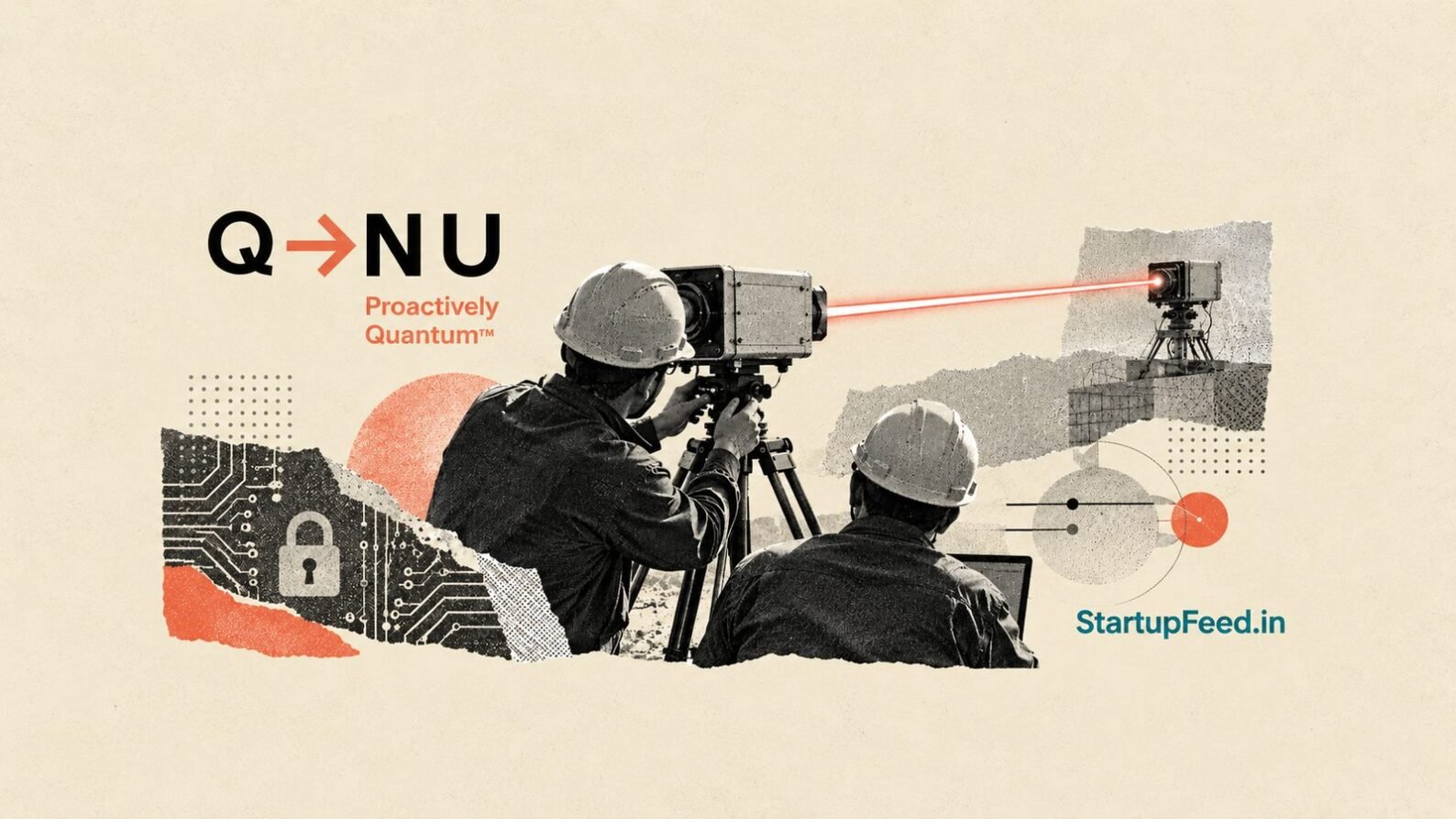
Quanfluence Raises $10 Mn, Chiratae Ventures Leads
Chiratae Ventures led the $10 Mn round. Pi Ventures, which backed the 2024 seed, returned with a bigger cheque, and Rainmatter by Zerodha joined for the first time.
The capital pays for a single job: pulling the photonic chips, the control electronics and the software into one full-stack machine. Until now these were separate pieces.
Chiratae Ventures sees photonics as one of the few credible routes to a quantum machine that works outside the lab. Venkatesh Peddi, a managing director there, said what drew the firm in was a team that has already built and sold a chip business.
Quanfluence is not only a lab project. Its photonic Ising machine, which solves hard optimisation problems, is now a product, and some of its quantum devices are on sale.
“Our goal at Quanfluence has never been to build a better experiment. It has been to build a useful quantum computer.”
Sujoy Chakravarty, co-founder and chief executive, Quanfluence. From the company statement, October 7, 2026.
What a Full-Stack Photonic Quantum Computer Means
Most quantum computers must be chilled to almost minus 273 degrees Celsius. Quanfluence uses light, or photons, so its machines can work at room temperature.
That light-based design is why the startup believes it can scale outside the lab. The startup builds the optics, the electronics and the software itself.
The progress since the seed round is in the hardware. The startup has designed and made several photonic chips and the electronic chips that control them.



Quanfluence has also cut the light lost between chip and fibre and shown it can make quantum states of light. Work is under way on chips where light and matter interact. Each is a step toward the full computer.
The current system weighs 128 linked variables, or about 10,000 possible answers. A more advanced version, in testing now, is built for 10 to 25 million.
These machines handle hard choices that classical computers struggle with, like financial risk, delivery routes and staff rosters.
India’s Quantum Funding Race in 2026
Quanfluence is one of a small group of Indian quantum startups raising real money this year. Its $10 Mn sits below the biggest cheques, but above most seed rounds.
| Startup | Amount raised | Key investors | When |
|---|---|---|---|
| QpiAI | $32 Mn (Series A) | Avataar Ventures, National Quantum Mission | 2025 |
| QuBeats | $15 Mn | Zoho, Indusbridge Ventures, National Quantum Mission | April 2026 |
| Quanfluence | $10 Mn | Chiratae Ventures, Rainmatter, Pi Ventures | October 2026 |
| BQP | About $5 Mn (seed) | Undisclosed | 2026 |
QpiAI, the best-funded of the group, raised $32 Mn from Avataar Ventures and the National Quantum Mission. QuBeats pulled in $15 Mn in April, backed by Zoho and the same government mission.
The money is arriving as the government pushes its National Quantum Mission, which funds and buys from local quantum work. The round also marks Zerodha’s Rainmatter moving into quantum, part of a wider push to build the technology in India.
The founders give the bet its credibility. Three of them earlier built a chip firm, Silicon and Beyond, which Synopsys bought.
Quanfluence is incubated at the IIT Madras Incubation Cell. The startup was started in 2021 by Sujoy Chakravarty, Ravi Mehta, Biman Chattopadhyay, Aditi Vaidya, and professors Anil Prabhakar and Sandeep Goyal.
What this means for you: If you build deep-tech hardware in India, this round shows backers will fund a long, costly roadmap. Watch Quanfluence’s 2027 processor for proof the model can ship.
StartupFeed Insight
The round size tells the real story. At $10 Mn, Quanfluence raised more than most Indian seed rounds, but a third of QpiAI’s $32 Mn Series A. That gap is the point: backers will fund slow, hardware-heavy quantum bets, yet still price the risk. The jump from a four-qubit machine to about 100 qubits by 2029 is steep, and photonic quantum computing is far from proven. The near-term product sales give Quanfluence room to miss a date without running dry. Expect the 2027 processor, not the funding, to decide whether this bet holds.
By Avinash Mishra, Business Correspondent
Have a tip? Write to us at editorial@startupfeed.in.
Liked this story? Follow StartupFeed on Google so our reporting reaches you first.