Quick Take
- India’s pan masala market hit Rs 48,456 Cr ($5.07 Bn) in 2025, per IMARC Group data.
- From February 1, 2026, pan masala moved to a flat 40% GST plus a new health cess.
- Tax now uses printed retail sale price, not factory price, squeezing margins across the sector.
In This Article
The pan masala business in India reached Rs 48,456 Cr ($5.07 Bn) in size in 2025, and from February 1, 2026, the entire category now attracts a flat 40% Goods and Services Tax (GST), the highest slab in the country, as notified by the GST Council. The change also adds a new cess and a fresh way to calculate tax.
This is the sharpest tax reset the sector has seen since GST began in 2017. It replaces the old 28% rate plus compensation cess with a single 40% rate. The government has framed the move as both a revenue step and a public health measure to curb harmful consumption.
StartupFeed Insight
The real shock is not the 40% headline, it is the switch to retail sale price (RSP) valuation. Earlier, brands paid GST on the factory transaction value, which they could keep low. Now tax is fixed to the printed pack price, so the old margin cushion disappears. Watch the mass-market pouch segment, which sells at Rs 5 and Rs 10 price points and cannot easily raise rates. Expect at least two large branded players to shrink pack sizes or push tobacco-free variants harder by mid-2026 to protect volumes. Smaller regional units face the biggest survival test. By Avinash.
How big is the pan masala business in India?
The pan masala market in India was worth Rs 48,456 Cr ($5.07 Bn) in 2025, according to IMARC Group. The same research house expects the market to reach Rs 67,035 Cr by 2034, growing at a modest 3.51% each year. Growth is slow but steady, driven by rural demand and premium flavoured variants.
Uttar Pradesh is both a major production hub and a top consumer market. Single-serve pouches, priced low for daily buyers, make up the bulk of sales. The sector also splits sharply between plain pan masala, flavoured mixes, and pan masala sold with tobacco.
What do the key numbers show?
The pan masala business in India runs on high volume, low unit price, and very high tax. The table below sets out the core figures for 2025 and 2026.


| Metric | Detail | Notes |
|---|---|---|
| Market size (2025) | Rs 48,456 Cr ($5.07 Bn) | IMARC Group estimate |
| Forecast size (2034) | Rs 67,035 Cr | 3.51% CAGR, IMARC Group |
| New GST rate | 40% | Effective February 1, 2026, GST Council |
| Previous rate | 28% plus compensation cess | Now withdrawn |
| Valuation basis | Retail sale price (RSP) | New Rule 31D, not factory price |
| Extra levy | Health and National Security Cess | On pan masala manufacturers |
The most striking fact is the valuation switch. Tax is now tied to the highest printed pack price, which limits any attempt to under-report value at the factory gate.
About the pan masala sector
Pan masala is a ready-made chewing mix of areca nut, lime, catechu, and flavourings, sold as a mouth freshener. The organised sector began in 1973 when Kothari Products launched Pan Parag. Today the market is led by large groups such as DS Group (Rajnigandha), Manikchand, Godfrey Phillips, and Kothari Products, alongside many regional makers. Pouch packaging and deep rural distribution drive most of the volume.
What changed in the 2026 tax rules?
From February 1, 2026, pan masala falls under the 40% GST slab, notified through Central Tax (Rate) Notification No. 19/2025. The GST Council confirmed the shift in its December 2025 update, which you can read in the official GST Council newsletter. Three big changes apply together.
The value of supply shall be deemed to be the declared retail sale price, reduced by the amount of applicable tax, GST Council Secretariat.
First, the flat 40% rate replaces the old 28% plus cess. Second, the compensation cess is fully withdrawn. Third, a new Health and National Security Cess and revived central excise duty now apply on top of GST, so the total tax burden stays high even after the cess ends.
Who leads the pan masala business in India?
A handful of large groups control most of the branded pan masala business in India. The table below compares three leaders on their flagship brand and known strength.
| Company | Flagship Brand | Known Strength |
|---|---|---|
| DS Group | Rajnigandha | Premium positioning, Silver Pearls line |
| Kothari Products | Pan Parag | Oldest organised brand, since 1973 |
| Godfrey Phillips | Various | Strong distribution, listed FMCG player |
DS Group has pushed premium products like Rajnigandha Silver Pearls, which saw a 20% sales jump in its first three months, per market reports. What sets the top brands apart is deep rural reach plus a growing move into tobacco-free variants.
What does the tax hike mean for the sector?
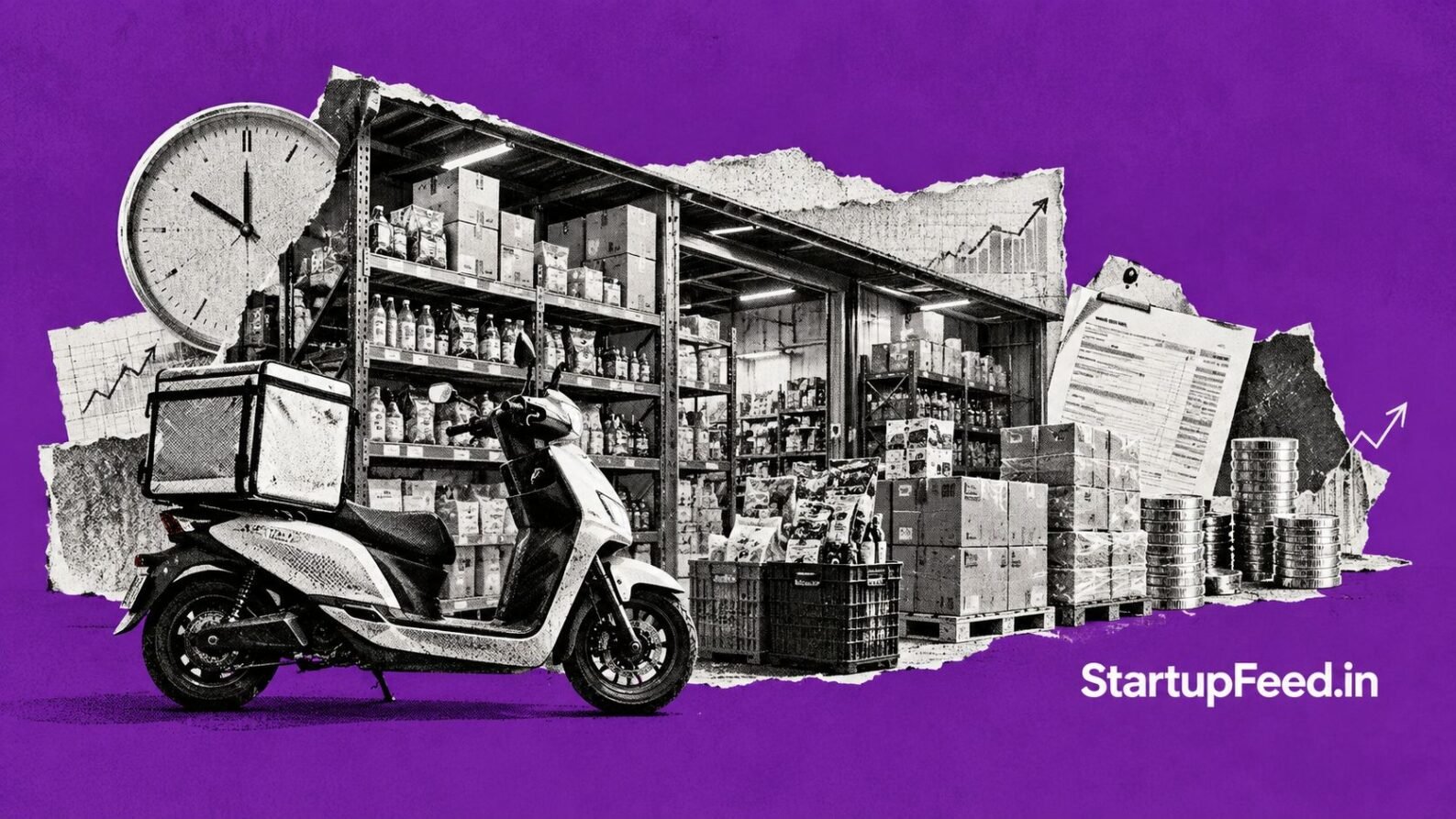
The 40% GST and RSP valuation together squeeze margins hardest at the low end. Mass-market pouches sell at Rs 5 and Rs 10 fixed price points, so brands cannot easily pass on the higher tax. The Centre expects the change to lift revenue while discouraging use, as noted in its official GST reforms explainer. Health is a stated driver, with India recording close to 100,000 tobacco and areca-related cancer cases each year, per industry data.


What’s Next
Manufacturers must recalibrate pack pricing and update billing systems by the February 2026 deadline. Expect smaller pack sizes, faster tobacco-free launches, and pressure on tiny regional units through 2026. The big question: can premium and flavoured variants grow fast enough to offset shrinking mass-market volumes?
Frequently Asked Questions
Have a tip? Write to us at editorial@startupfeed.in.
Liked this story? Follow StartupFeed on Google so our reporting reaches you first.