Quick Take
- India joined 34 other nations backing the Pax Silica AI Opportunity declaration at a Washington summit.
- The US-led pact targets secure chip, critical mineral and AI supply chains away from China.
- India formally signed in February 2026, opening doors for its semiconductor and rare-earth sectors.
In This Article
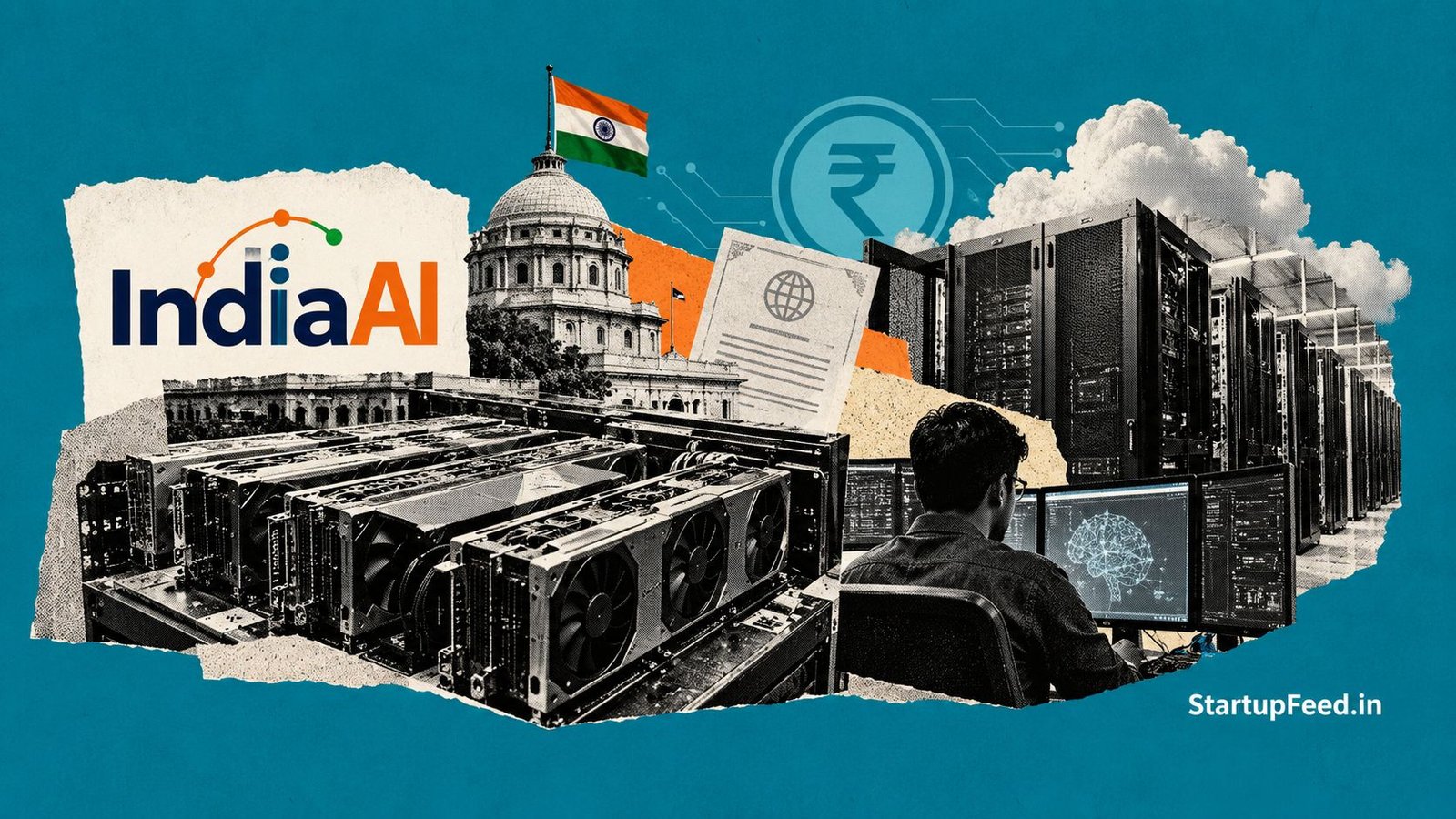
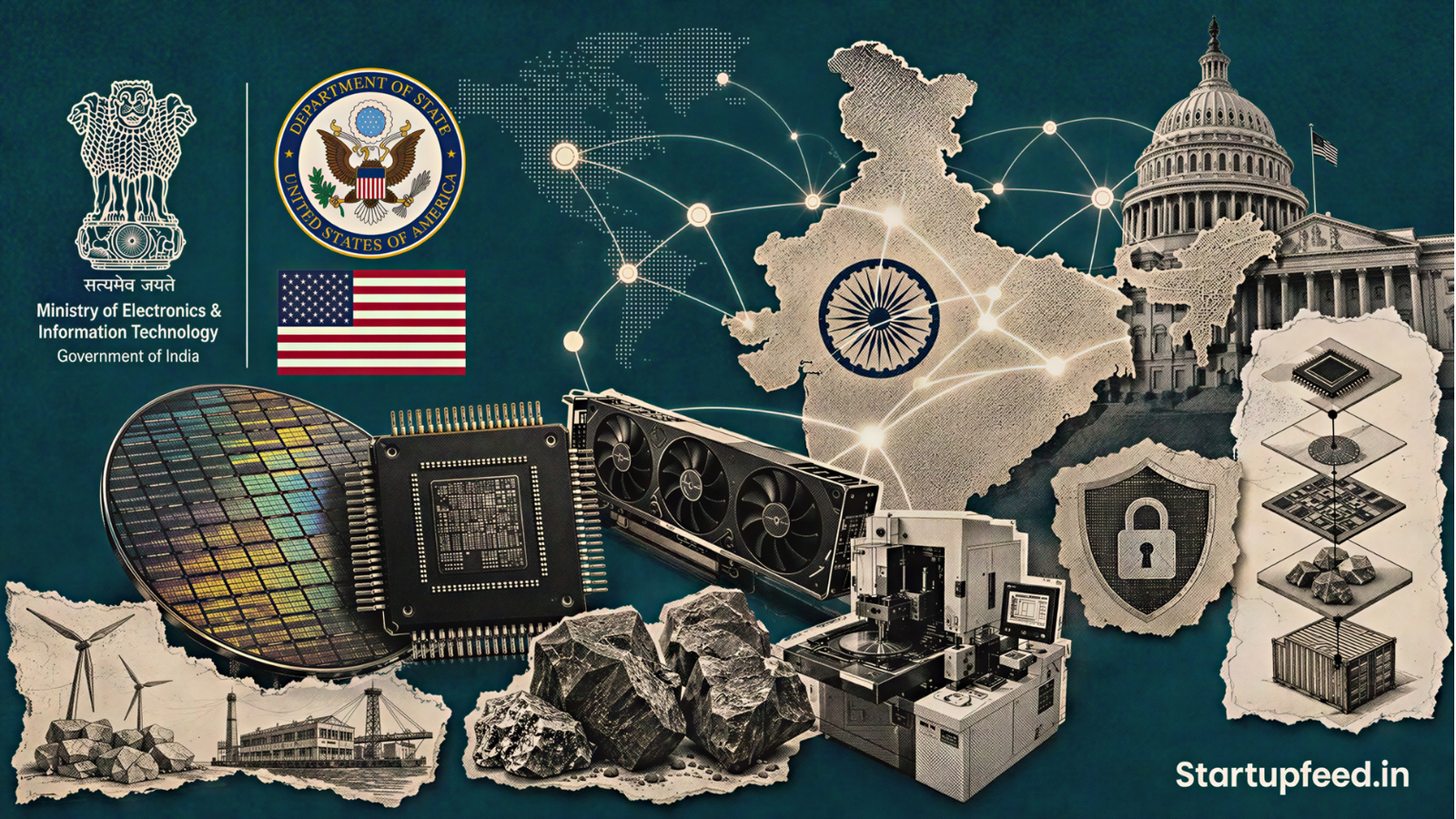
The India Pax Silica commitment deepened on June 25, 2026, when 35 nations signed a fresh Declaration on AI Opportunity at the second Pax Silica Summit in Washington. India was among the signatories.
Pax Silica is the US State Department’s flagship coalition for securing supply chains behind artificial intelligence (AI), semiconductors and critical minerals. India formally joined the group in February 2026. The latest declaration commits members to pro-growth AI rules and resilient trade in the hardware that powers the AI economy, according to the US Department of State.
StartupFeed Insight
The real prize for India is not the declaration text. It is GPU and chip access. India sat in Tier 2 of an earlier US export rule, which limited advanced chip supply. Pax Silica membership signals a path toward trusted-partner status, and that matters for every Indian AI startup waiting on compute. Watch India’s deep-tech founders and chip-design firms most closely. StartupFeed expects at least two new India-US joint ventures in critical-mineral processing or chip packaging to be announced before December 2026, as both sides convert this pact into concrete deals. By StartupFeed Desk.
India Pax Silica Pact: The Key Facts
India Pax Silica membership refers to India’s accession to the US-led Pax Silica coalition, a group securing AI and chip supply chains. The table below sets out the core facts.
| Metric | Detail | Notes |
|---|---|---|
| Coalition | Pax Silica | US State Department initiative, launched December 2025 |
| India joined | February 20, 2026 | Signed at India AI Impact Summit, New Delhi |
| Latest declaration | June 25, 2026 | 35 nations signed AI Opportunity statement, Washington |
| Focus areas | Chips, critical minerals, AI, energy | Securing the full “silicon stack” |
| India signatory | MeitY, Ashwini Vaishnaw | Ministry of Electronics and Information Technology |
| US lead | Jacob Helberg | Under Secretary of State for Economic Affairs |
India was not a founding signatory of the original December 2025 declaration, according to the Carnegie Endowment. India joined later, on the final day of the AI Impact Summit in New Delhi.
About Pax Silica
Pax Silica is a US State Department coalition launched in December 2025 to secure the global “silicon stack,” from critical minerals and semiconductor fabrication to AI infrastructure. It is led by Under Secretary Jacob Helberg. The group aims to cut overconcentration in supply chains and reduce economic coercion. Founding members included Japan, South Korea, Australia, Singapore, Israel, the UK, the UAE, Greece and Qatar.


Why Did the US Bring India Into Pax Silica?
The US brought India into Pax Silica for talent, scale and critical minerals. India holds large rare-earth reserves and a fast-growing chip-design base. US Ambassador Sergio Gor called India’s entry both strategic and essential, citing the country’s engineering depth.
“We say no to weaponized dependency, and we say no to blackmail. Together, we affirm that economic security is national security,” Jacob Helberg said at the signing ceremony.
India offers what most Pax Silica members cannot match: market size and a vast engineering workforce. Union Minister Ashwini Vaishnaw said the pact would benefit India’s electronics and semiconductor sector. He noted that the semiconductor industry will need about one million skilled professionals, according to the Press Information Bureau.
What Does Pax Silica Mean for Indian Startups?
Pax Silica means easier access to trusted AI hardware and chip supply chains for Indian startups. The biggest near-term gain is compute. An earlier US export rule placed India in Tier 2, limiting advanced chip access to a license-only basis, according to the Carnegie Endowment.
Membership in Pax Silica signals movement toward trusted-partner status. That could ease GPU (Graphics Processing Unit) supply for AI firms building large models in India. The pact also opens joint-venture routes in critical-mineral processing, where India aims to cut its dependence on Chinese imports. Vaishnaw said India’s engineers are already designing 2-nanometer chips, and that ten chip plants are in progress.
How Does India Compare on the Silicon Stack?
India compares strongly on talent but lags on advanced chip fabrication. The country does not yet manufacture cutting-edge chips at scale, according to analysis from India’s World. The table compares India with two other Pax Silica members.
| Country | Key strength | Main gap |
|---|---|---|
| India | Chip design talent, rare-earth reserves | Advanced fabrication at scale |
| South Korea | Memory chip manufacturing leader | Critical mineral dependence |
| Netherlands | Lithography equipment (ASML) | Limited raw material base |
What sets India apart is its blend of scale, design talent and untapped mineral reserves, a mix few coalition members hold together.
What’s Next
India and the US are expected to convert the Pax Silica pact into concrete projects. Watch for joint ventures in chip packaging and rare-earth processing, plus progress on India Semiconductor Mission 2.0. The first Indian semiconductor plant is set to begin commercial production soon, per Vaishnaw. Will India turn coalition membership into real fabrication capacity by 2027?

Frequently Asked Questions
Last updated: June 26, 2026 at 14:30 IST
Written by Soumya Verma. Published: June 26, 2026. Updated: June 26, 2026. Have a tip? Write to us at editorial@startupfeed.in.
Liked this story? Follow StartupFeed on Google so our reporting reaches you first.