India Bans Black Mass Export to Keep Battery Metals Home
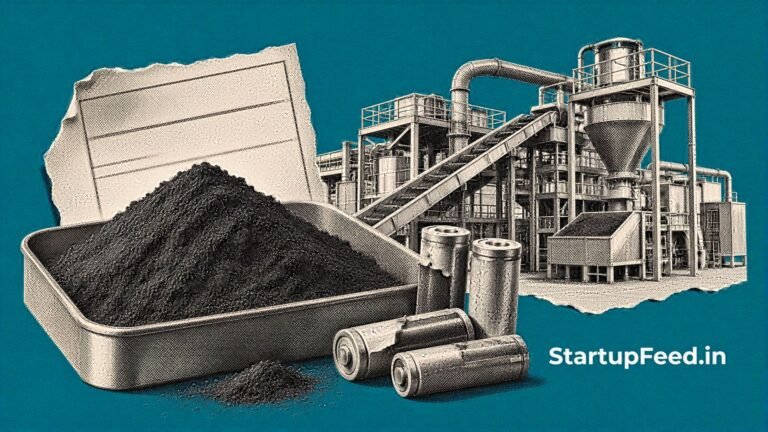
India’s black mass export ban took effect on November 10, stopping battery waste leaving the country and handing recyclers the feedstock they lacked.

By Avinash Mishra, Business Correspondent
2 min read
Quick Take
- DGFT moved lithium-ion battery black mass, under ITC (HS) code 85491400, from ‘Free’ to ‘Prohibited’ on November 10, 2026.
- The ban is immediate and open-ended, keeping an estimated 30,000 tonnes of black mass a year inside India.
- It follows a Rs 2,814 crore processing scheme cleared on November 4 and a Rs 1,500 crore recycling scheme from September 2025.
India has banned black mass export, the trade in metal-rich powder from spent lithium-ion batteries, under a DGFT notification dated November 10, 2026.
DGFT is the Directorate General of Foreign Trade, which sets India’s export rules. It moved the material, under ITC (HS) code 85491400, from ‘Free’ to ‘Prohibited’ at once.
The change keeps more of India’s black mass at home. India produces about 30,000 tonnes of the powder a year, from more than 60,000 tonnes of batteries.
Why the Black Mass Export Ban Matters
Black mass had long sat under hazardous-waste rules. Its export needed clearance from the environment ministry and a DGFT licence, yet some recyclers shipped it out under other trade codes.
Also read
The gap was wide. In one recent case, nearly 250 tonnes of black mass was booked for China, with the shipping papers switched in Singapore.
Domestic refiners can now absorb that supply. Attero runs plants that refine up to 15,000 tonnes of black mass a year, pulling out lithium, cobalt and nickel. Lohum and Exigo run similar lines.
The ban sits beside fresh government money for processing. On November 4, the Cabinet cleared a Rs 2,814 crore scheme for four lithium and nickel plants. A Rs 1,500 crore recycling scheme has run since September 2025.
The message to recyclers is plain. That money rewards firms that refine metals at home, not those that only make black mass and sell it abroad.
What this means for you
If you run an R2 unit that shreds batteries and exports black mass, that revenue line is now closed. Line up a domestic refiner, or move up into refining, before your stock piles up.
Have a tip? Write to us at editorial@startupfeed.in.