
Quick Take
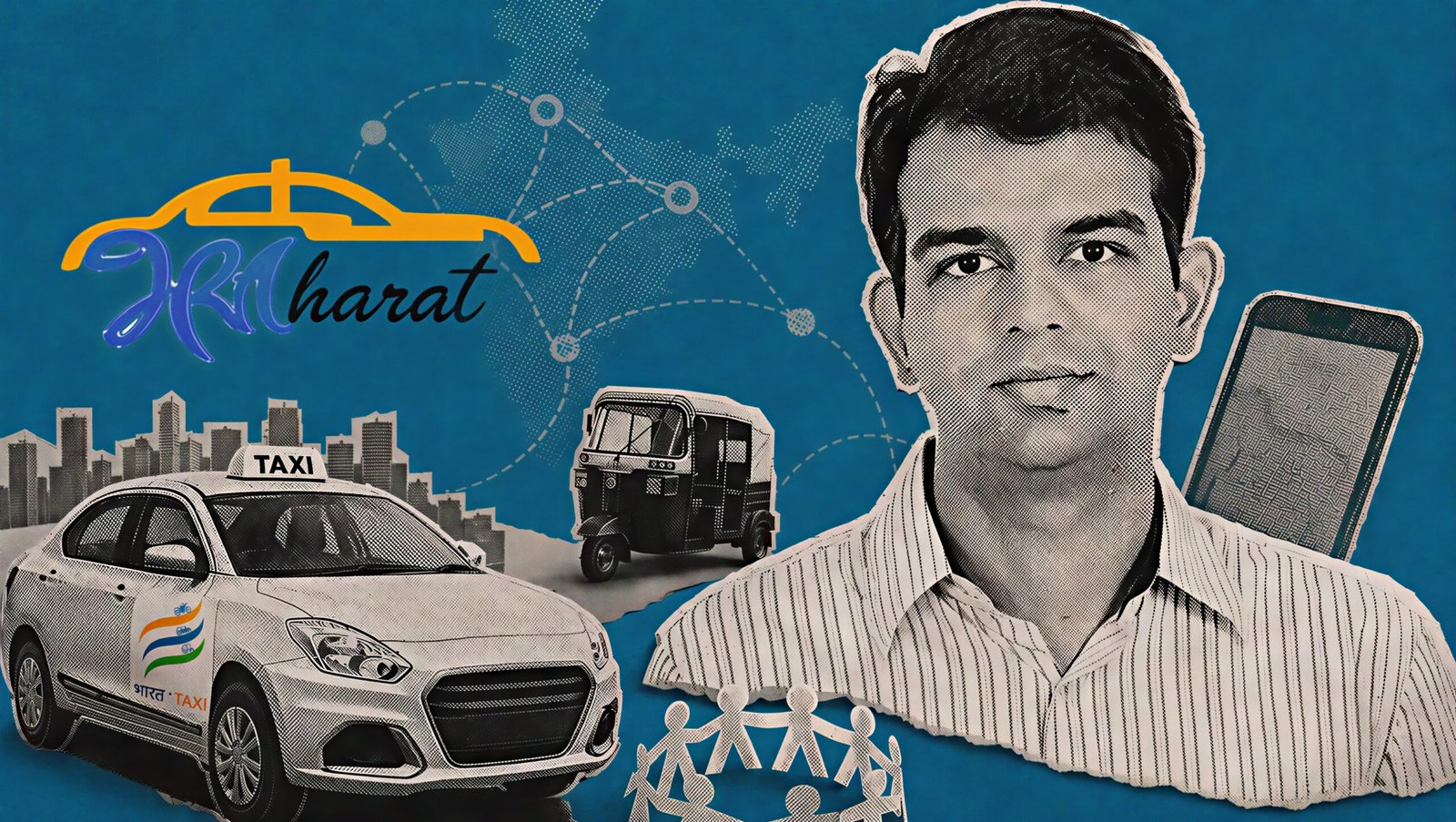
- Bharat Taxi has onboarded about 4.5 lakh drivers since its February 2026 launch.
- CEO Vivek Pandey wants 100 cities by FY27 and 500-plus in two years.
- The platform charges no commission. Drivers keep the fare and pay a flat Rs 8 to 9 per ride.
Bharat Taxi wants to reach 100 cities and towns by the end of FY27. That is the target its leadership has set for India’s first cooperative-led ride-hailing platform. The company plans to enter more than 500 cities within two years.
The platform is run by Sahakar Taxi Cooperative Ltd. This is a multi-state cooperative society registered under the Multi-State Cooperative Societies Act, 2002. It was set up on June 6, 2025, by eight national cooperative institutions.
Union Home and Cooperation Minister Amit Shah launched the service on February 5, 2026, in New Delhi. A soft launch had run since December 2025. Shah later rolled out the Gujarat network on June 27, 2026, from Gandhinagar.
The model puts drivers first. Bharat Taxi calls them Sarathis. They own a stake in the cooperative and share its profits directly.
Drivers join by buying a Rs 500 share. That share gives them a vote in how the cooperative is run. The platform takes no commission from any ride.


Instead it charges a flat fee. CEO Vivek Pandey said cab and auto drivers pay Rs 8 to 9 per ride, whatever the fare. This per-ride model is how the cooperative earns money.
The numbers have grown fast. By June 2026 the platform had onboarded about 4.5 lakh drivers. Roughly half drive taxis, 30% ride motorcycles, and 10% use personal vehicles.
Bharat Taxi now runs in Delhi-NCR, Gujarat, Lucknow, Chandigarh, Jaipur and Mumbai. The company added Lucknow and Chandigarh in April 2026, then Jaipur in May. It plans Kolkata and other cities next.
The platform has also moved into airports. It took over pre-paid black-and-yellow taxi operations at Delhi airport. The Airports Authority of India signed an agreement with Bharat Taxi in February 2026 for regulated cab services.
Institutional tie-ups support the rollout. Bharat Taxi works with Delhi Traffic Police, Delhi Metro Rail Corporation and State Bank of India. In Lucknow it plans to work with the traffic police and Uttar Pradesh Metro Rail Corporation.
Technology is part of the plan. Users can book rides on WhatsApp using voice. AI agents handle parts of the booking and support work, Pandey said.
The competitive angle is clear. Bharat Taxi is chasing the same drivers and riders as Ola, Uber and Rapido. Since it entered the market, several rivals have cut their subscription fees and commissions.


StartupFeed Insight
The driver economics are the real story here, not the city count. A flat Rs 8 to 9 per ride is a structural challenge to the percentage-commission model that Ola and Uber built their business on. If Bharat Taxi holds that fee while scaling, it forces rivals to defend their take rate on every ride, not just in headline promotions. The risk sits on the other side. Government-backed rollouts move on political timelines, and 500 cities in two years is a steep curve for a cooperative still proving unit economics. Watch the FY27 city count against the 100-city target. If it lands near 60 by March 2027, the model works. If it stalls below 40, the expansion was talk.
— Harshvardhan Kothari, Technology and Policy Correspondent
What this means for you: If you operate in mobility or gig services, Bharat Taxi’s zero-commission model is now a pricing benchmark your drivers will cite.
Frequently Asked Questions
Liked this story? Follow StartupFeed on Google so our reporting reaches you first.