
Quick Take
- Starlink has refiled with IN-SPACe for a Gen 2 network of nearly 30,000 low earth orbit satellites.
- The earlier Gen 2 bid was rejected; only the 4,408-satellite Gen 1 network was cleared, in July 2025.
- Gen 2 carries direct-to-device service, but India has no D2D rules yet and a final decision is pending.
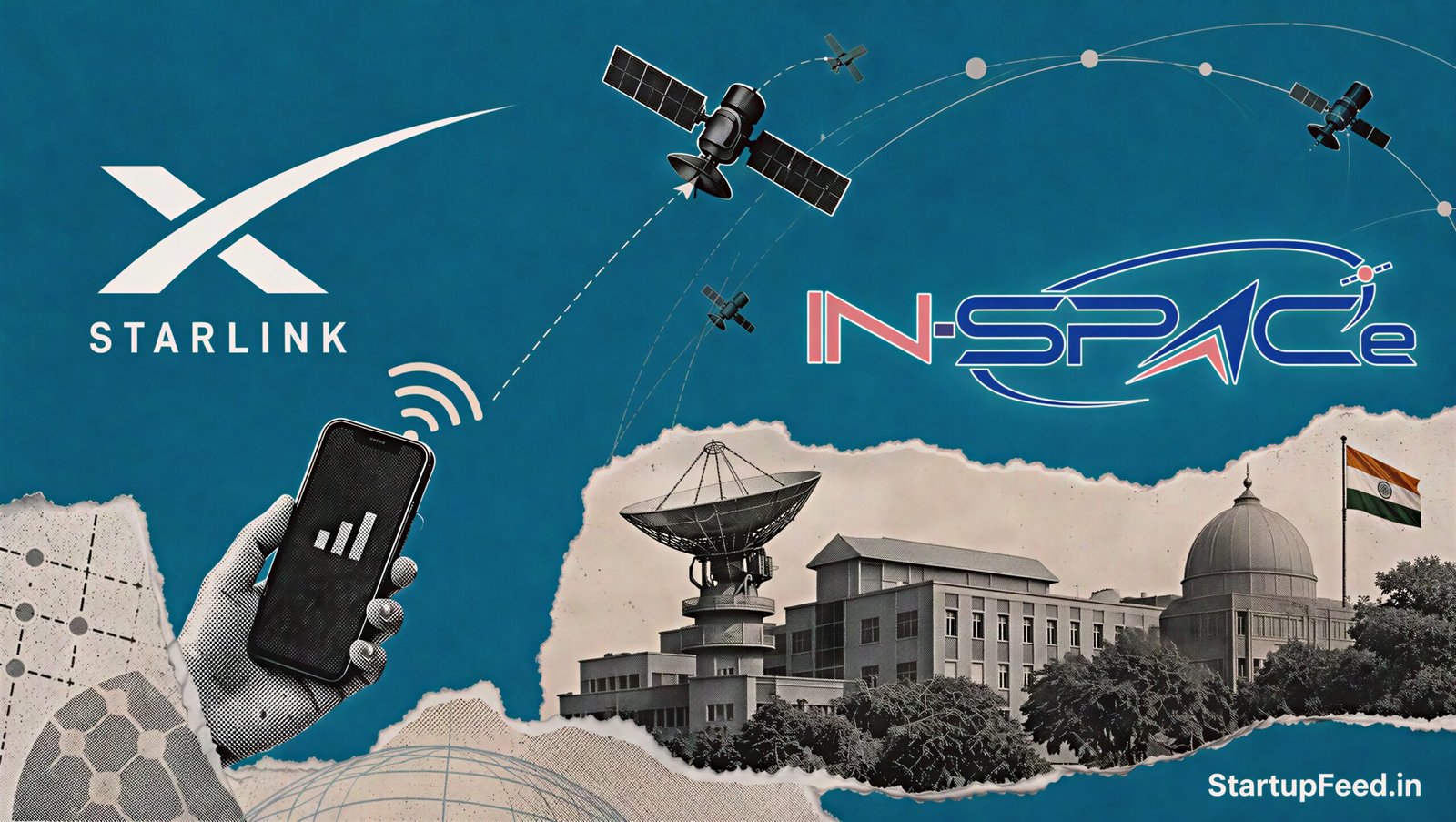
Starlink has again asked India’s space regulator to clear its Gen 2 satellite network. The company filed a fresh application with the space body known as IN-SPACe. The plan covers nearly 30,000 low earth orbit satellites.
The Economic Times reported the move on August 20, 2026, citing people aware of the details.
What changed since the first rejection?
This is Starlink’s second try at Gen 2. IN-SPACe rejected the earlier application because some features and spectrum bands did not meet Indian rules.
The regulator cleared only the Gen 1 network in July 2025, covering 4,408 satellites for traditional broadband.
What does Gen 2 add for users?
The new fleet would fly at 340 to 615 km above Earth. It is the layer that carries direct-to-device connectivity, or D2D.

This technology lets an ordinary phone link straight to a satellite, with no dish or dedicated terminal needed. That is the feature the Gen 1 clearance left out.
Starlink is run by Elon Musk’s SpaceX, and satellite telecom is now the firm’s largest source of revenue. Globally the company plans about 42,000 Gen 2 satellites.
It has sought clearance for nearly 30,000 of these in India, and may apply for more later.
Why file now?
The timing is not random. India is still writing the rules for D2D services. The Department of Telecommunications is weighing the policy now.
It is expected to ask the Telecom Regulatory Authority of India, or TRAI, for its views on pricing and licensing. TRAI has already sent its recommendations on satellite spectrum, but a final government decision is pending.
Approval is far from certain. Starlink must still secure spectrum, build ground infrastructure, and pass the security tests it signed up for. Commercial service has not started even under the Gen 1 nod.
Reuters said it could not independently verify the reported filing.

Who does this affect?
A Gen 2 clearance would widen the market Starlink can chase in India. D2D reaches places where towers do not, in remote and thinly served regions, and would put Starlink ahead of rivals on coverage.
Reliance Jio has proposed a 1,600-satellite LEO network. Amazon’s Leo and Eutelsat OneWeb are the other contenders.
What this means for you: Founders in logistics, agritech and rural fintech should track the D2D policy, not just this filing, since the DoT and TRAI decision sets when phone-to-satellite coverage can actually launch.
StartupFeed Insight
The number that matters is not 30,000 satellites, it is zero, the count of D2D rules on India’s books today. Starlink can refile as often as it likes, but the Gen 2 fleet is a bet on regulation catching up, not on hardware. The real gate is the DoT reference to TRAI on pricing and licensing. Watch that referral, because it decides the whole timeline. Expect a formal DoT-to-TRAI reference on D2D pricing before the end of 2026, with any Gen 2 clearance trailing well behind Gen 1’s first commercial service.
— Harshvardhan Kothari, Technology and Policy Correspondent
Frequently Asked Questions
Have a tip? Write to us at editorial@startupfeed.in.
Liked this story? Follow StartupFeed on Google so our reporting reaches you first.