


Summary:
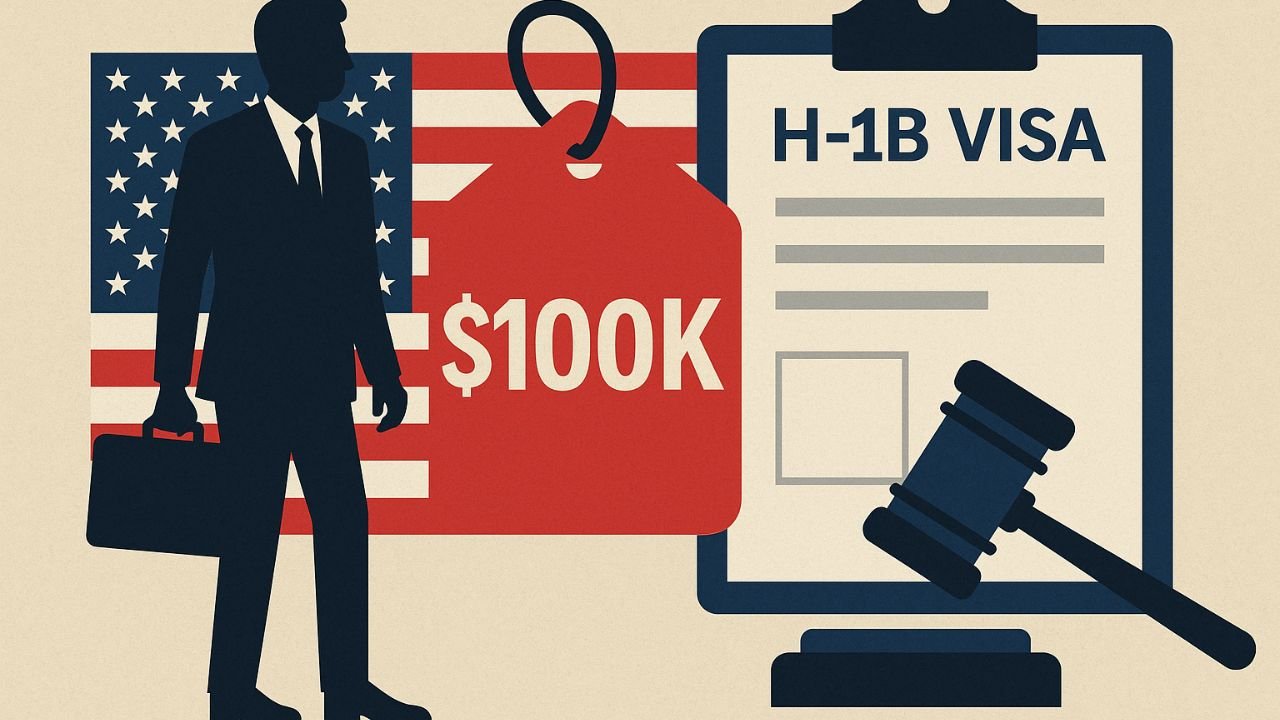
- New rule introduces a $100,000 one-time fee for H-1B petitions.
- Early-stage startups warn of a “founder tax” that could stifle innovation.
- Immigration experts push O-1 visas as a survival path for entrepreneurs.
$100K Price Tag On Global Talent
In a move that has rattled the global startup ecosystem, the U.S. government has introduced a staggering $100,000 fee for new H-1B visa applications. For decades, this visa category has been the backbone of Silicon Valley’s growth, bringing in engineers, researchers, and entrepreneurs from across the globe. Now, founders warn that such costs could turn the American dream into a privilege only large corporations can afford.
Startup Founders Fear A “Founder Tax”
While tech giants like Google and Amazon may absorb the blow, early-stage startups are hit hardest. Struggling with limited runway and investor pressure, many founders call this policy a “founder tax” that disproportionately hurts innovation. Some investors argue the move could push founders to build startups born and bred in the U.S., reducing reliance on foreign talent. But for global entrepreneurs eyeing the U.S. market, the new fee is a chilling entry barrier.
O-1 Visa: A Narrow Lifeline For Entrepreneurs
Immigration experts are pointing founders toward the O-1 visa, meant for individuals with “extraordinary ability” in business, science, or arts. While more complex to obtain, the O-1 sidesteps the crushing H-1B fee and may become the go-to path for ambitious international entrepreneurs. Still, critics caution that this shift risks shutting out many promising founders who may not yet meet the stringent O-1 eligibility criteria.