
Smallest AI founder Sudarshan Kamath offers lucrative packages to 600 laid-off Meta staff in competitive talent grab
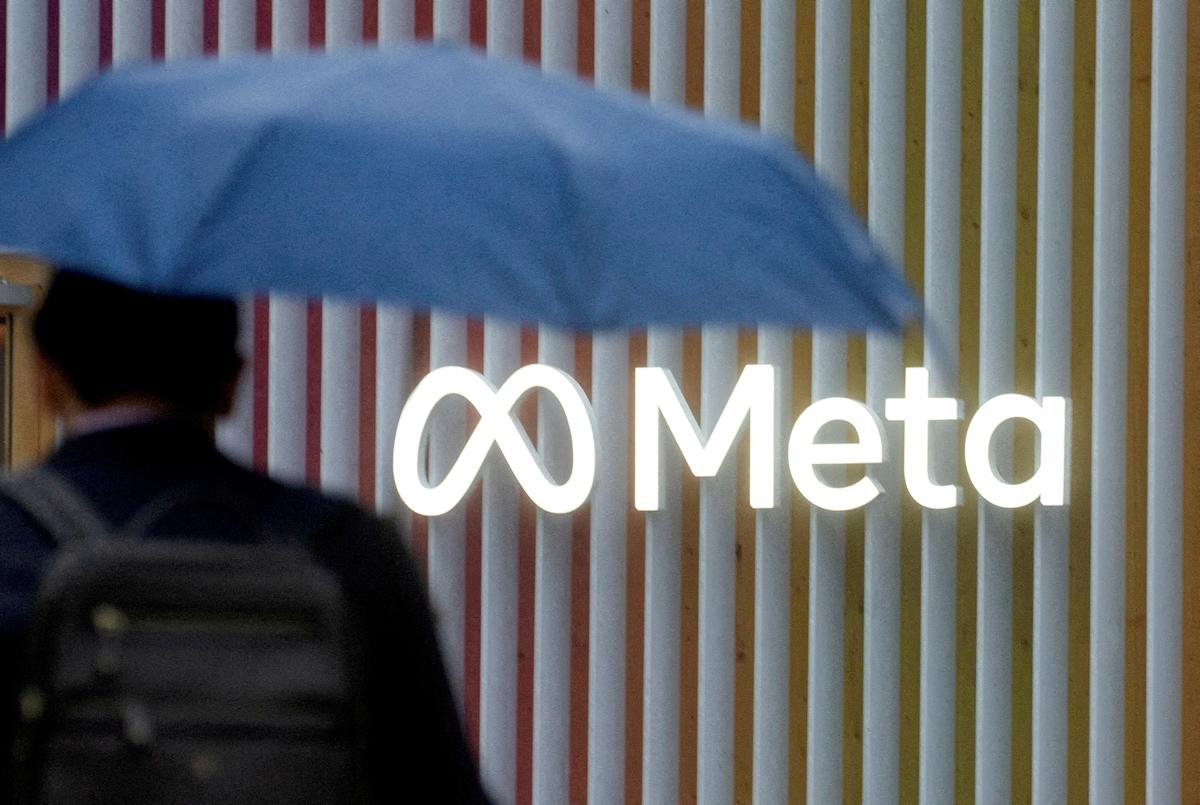
October 24, 2025 — When Meta announced layoffs of 600 employees from its AI division, a golden opportunity emerged for competitors. Leading the charge to scoop up this elite talent is Sudarshan Kamath, an IIT alumnus and founder of the Indian startup hiring Meta employees through eye-popping salary offers reaching ₹5.26 crore annually.
The dramatic move transforms what began as a difficult day for hundreds of AI professionals into a bidding war for Silicon Valley’s brightest minds.
From Layoff to Lucrative Offers
Within hours of Meta’s announcement, Kamath took to social media with a direct pitch: “Laid off from Meta? We are hiring in speech team for Smallest AI in San Francisco!” The message resonated immediately—not just for its timing, but for the extraordinary compensation attached.
Base salaries range from $200,000 to $600,000 (₹1.75 crore to ₹5.26 crore) annually, accompanied by flexible equity options. At the top end, these packages rival—and in some cases exceed—compensation at established tech giants.
The Indian startup hiring Meta employees isn’t offering handouts. Kamath made clear he’s seeking exceptional talent: professionals with expertise in speech evaluations, speech generation, and full-duplex speech-to-speech technology. His blunt requirement? Candidates must be “smart and hungry.”
Why Meta’s Loss Became Startups’ Gain
Meta’s restructuring hit hardest in its AI infrastructure and FAIR (Fundamental Artificial Intelligence Research) units—the company’s innovation centers for next-generation machine learning and generative AI. These weren’t junior positions; these were senior engineers and researchers who’d shaped how the industry thinks about artificial intelligence.
Chief AI Officer Alexandr Wang explained the cuts would “streamline decision-making” and expand remaining employees’ responsibilities. The company encouraged affected staff to explore internal positions, but many are now considering the startup ecosystem’s attractive alternatives.
The layoffs followed Meta’s June reorganization of AI efforts under Superintelligence Labs, after lukewarm reception to its open-source Llama 4 model prompted CEO Mark Zuckerberg to personally lead hiring pushes—only to now reduce headcount.
The Startup Hiring Frenzy
Kamath isn’t alone in this Indian startup hiring Meta employees gold rush. Several founders immediately extended offers to the newly available talent pool:
Ben Taylor of Spec praised Meta’s AI work while opening recruitment: “The work you’ve done has shaped how all of us think about intelligence.”
Lucas Atkins from Arcee AI invited Meta’s generative AI engineers to “build the next frontier of Apache-2.0 models.”
Carina Hong of Axiom addressed affected employees directly: “You are world-class. We have read your work. You deserve a new place you call home.”
This coordinated response demonstrates the high value Silicon Valley places on Meta’s AI talent—professionals who’ve contributed to breakthrough research now sought after by companies building the next generation of AI products.
What This Means for AI Industry
The aggressive recruitment of laid-off Meta employees signals a shift in Silicon Valley’s power dynamics. Startups, once unable to compete with Big Tech compensation, are now matching—and beating—major companies’ salary offerings for specialized AI talent.
For the 600 affected Meta employees, the Indian startup hiring Meta employees phenomenon transforms uncertainty into opportunity. Many will land at well-funded startups where their expertise directly shapes product direction rather than serving as cogs in massive corporate machines.
Kamath’s Smallest AI, focused on conversational and speech AI, represents the new breed of specialized startups willing to invest heavily in top talent. The company’s willingness to offer half-million-dollar base salaries reflects both the value of Meta’s AI expertise and the intense competition for professionals who can deliver breakthrough products.
As one chapter closes at Meta, another opens for hundreds of AI professionals now courted by ambitious startups ready to compete for tomorrow’s technological breakthroughs.